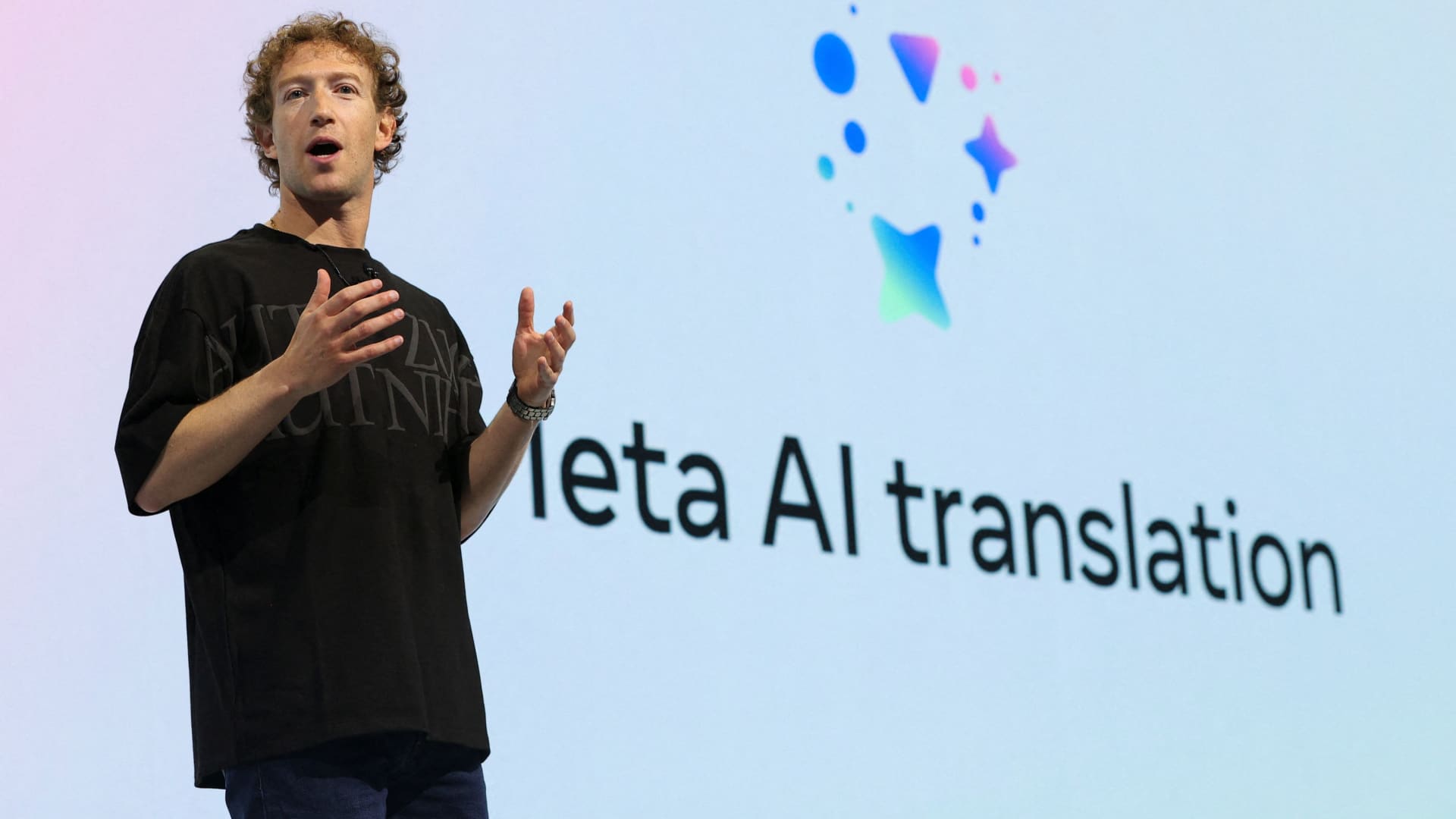
Remember when Mark Zuckerberg bet the entire company on the Metaverse, renamed Facebook to Meta, and spent billions building virtual worlds that roughly nobody asked for? During Meta’s latest earnings call, Zuckerberg laid out an AI roadmap so ambitious it makes the Metaverse pivot look like a weekend hobby project. The difference this time: investors seem to believe him.
Meta is planning capital expenditures between $115 billion and $135 billion for 2026, nearly doubling what the company spent the prior year. That’s not a typo. We’re talking about a single company preparing to deploy more capital than the GDP of most countries, all in the name of building what Zuckerberg calls “personal superintelligence.”
From open-source darling to proprietary powerhouse
The strategy represents a meaningful departure from Meta’s previous AI playbook. For years, the company leaned heavily into open-source models, most notably its Llama family of large language models. Llama 4, released in 2025, landed with a thud. The reception was, to put it diplomatically, underwhelming.
So Zuckerberg is pivoting. Meta’s new direction emphasizes proprietary AI capabilities, a sharp turn for a company that once positioned itself as the open-source champion of the AI arms race.