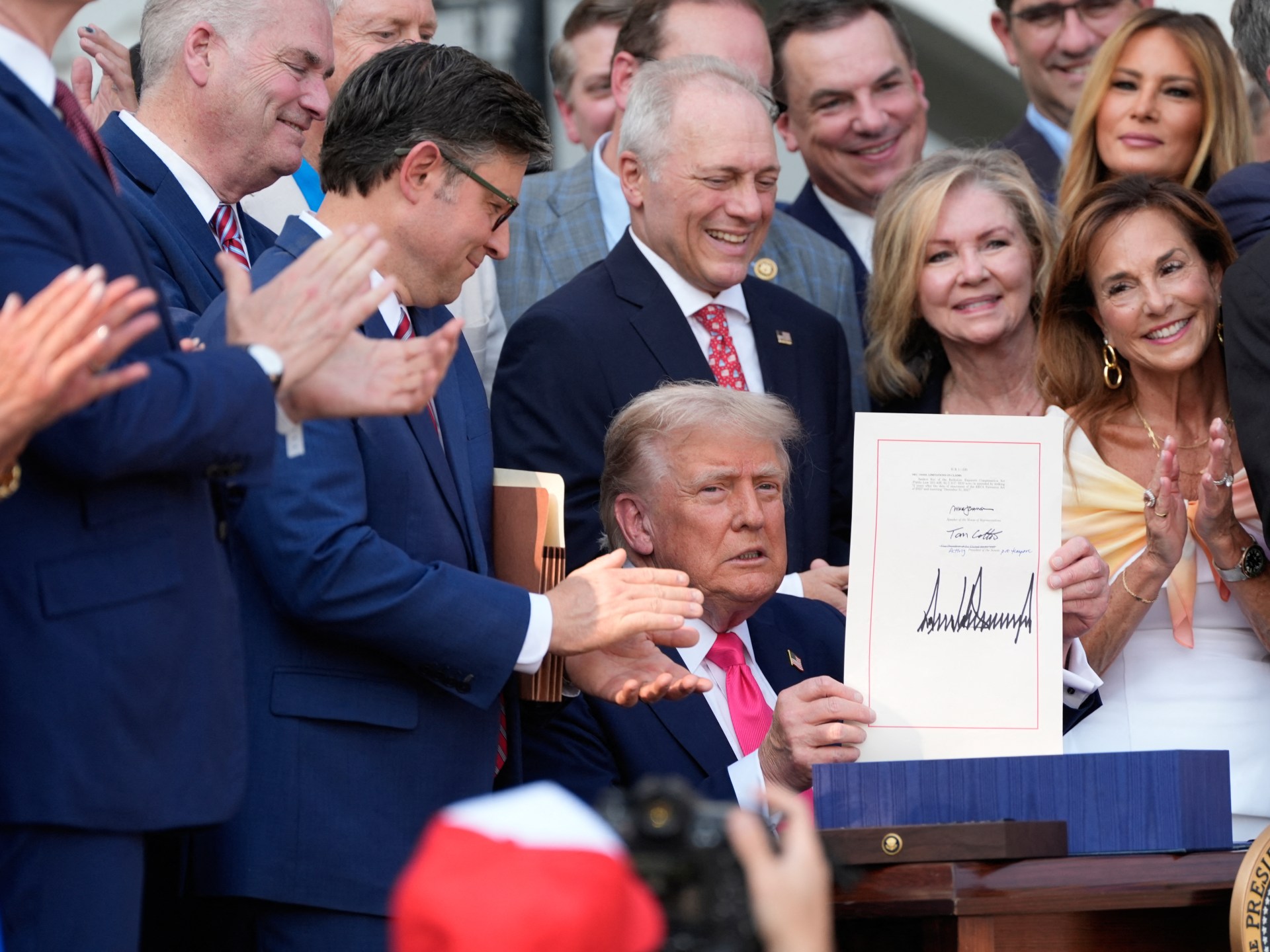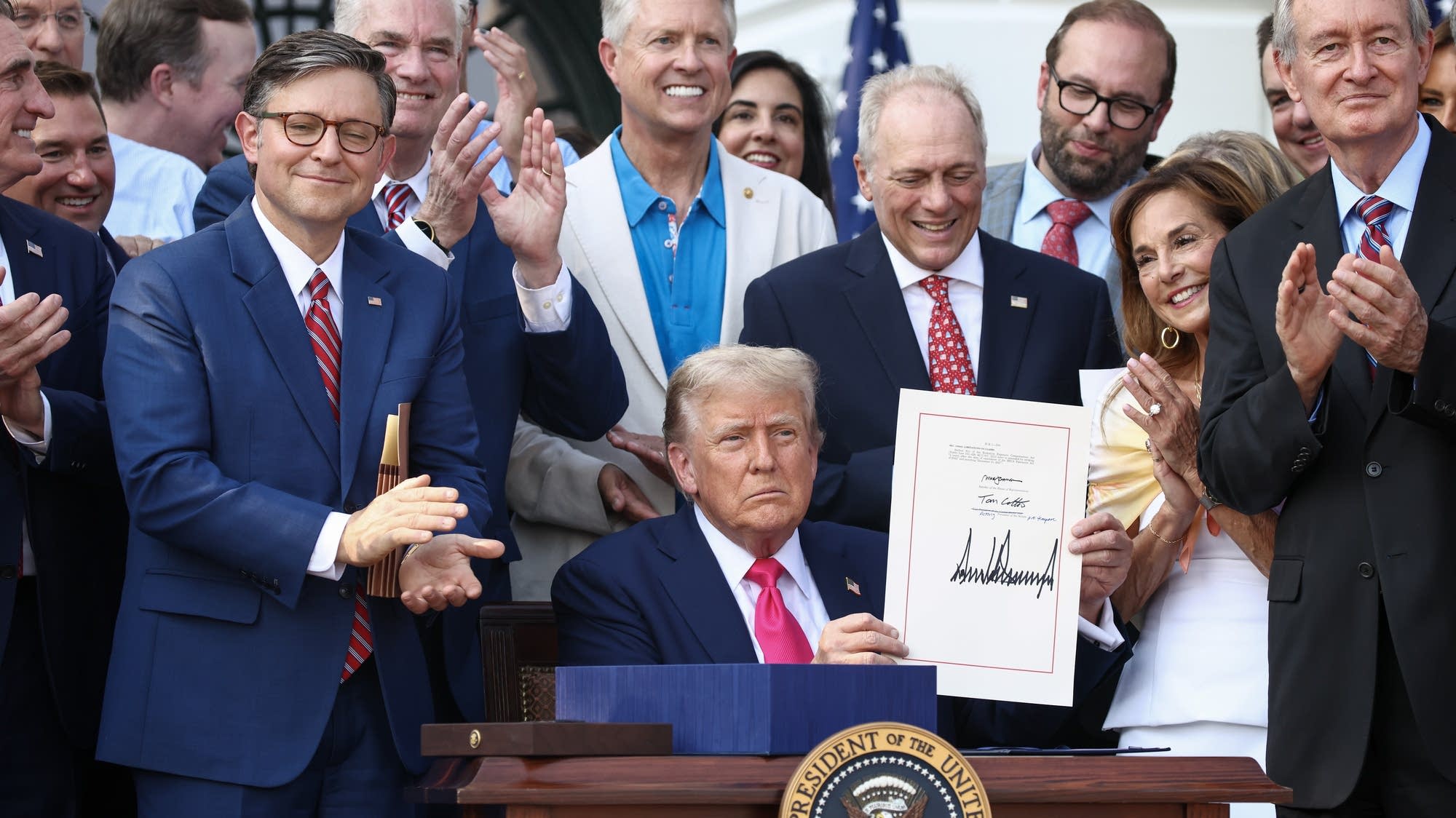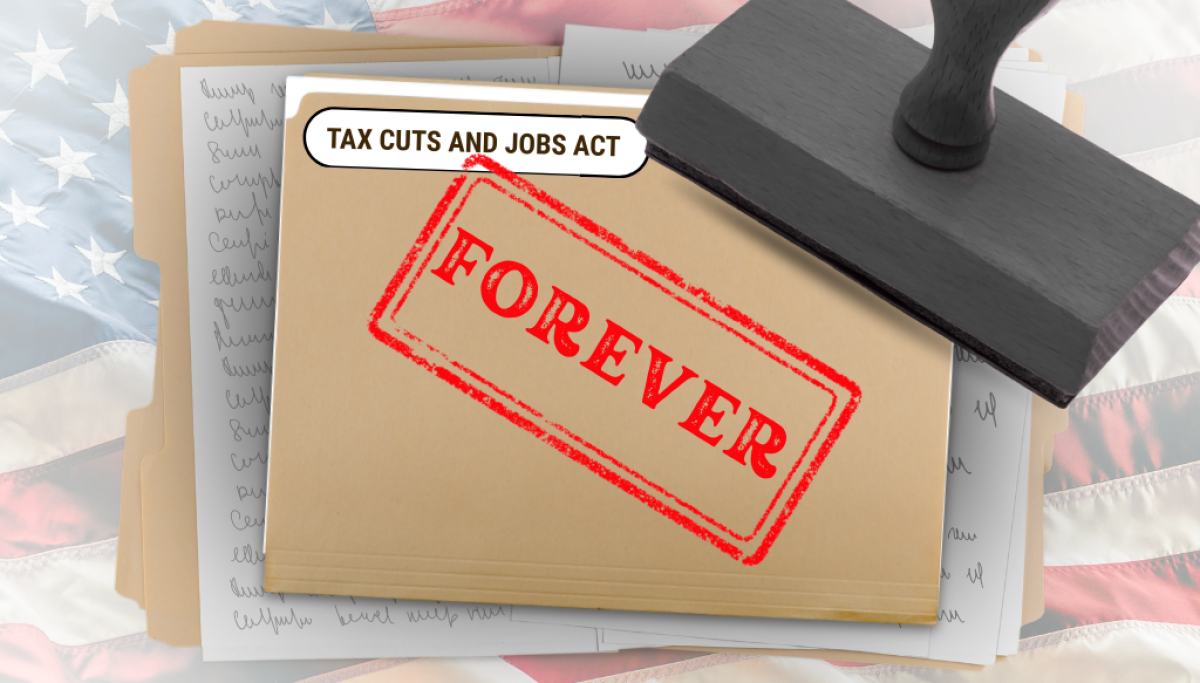
This time, Republicans said, it was going to be permanent.Republicans had passed massive tax packages under Presidents George W. Bush in 2001 and Donald Trump in 2017, but most of the provisions were temporary. After Trump won a second term, GOP leaders had a more controversial idea.From the start of the new Congress until the president’s July 4 deadline, they embarked on a plan that would give businesses long-term certainty and notch a major victory for tax hawks. But getting there was procedurally treacherous, thanks to the Senate’s complicated budget rules, and invited pushback from all corners of Washington.
There were the fiscal conservatives who had reservations about the price tag associated with permanence. The White House also got skittish, at one point fearing the votes weren’t there for some business tax breaks that Senate Republicans wanted to extend indefinitely.Then there were the Democrats who were dead-set against the tax law, permanent or not. The optics of sidestepping the Senate’s parliamentarian, a maneuver that made permanence possible, only added to that partisan fight and meant Republicans would have to overcome a floor showdown with their political opposition.HOW THE BIG BEAUTIFUL BILL BECAME LAW: READ MORE FROM THE WASHINGTON EXAMINER’S 10-PART SERIESGrover Norquist, who as head of Americans for Tax Reform has long had close relationships with GOP leaders on Capitol Hill, said tax permanency “had to happen” and was “non-negotiable” in 2025.And it was that abiding belief that got Republicans through the procedural gymnastics and agonizing vote-counting needed to make the tax cuts stick.The obstacle presented by the Senate’s rules on budget reconciliation was especially difficult, as it gave Republicans narrow parameters to skirt the filibuster, but only if the provisions in their tax bill had a direct fiscal impact. The even greater challenge was that the law could not increase the deficit outside a 10-year window, which, in past GOP Congresses, meant temporary rather than permanent tax breaks.Republicans ultimately found a loophole. The late Sen. Lindsey Graham (R-SC) pursued a “current policy baseline” as chairman of the Senate Committee on the Budget, an accounting method that scored the extension of Trump’s expiring 2017 tax cuts as not adding to the deficit.But there was still the problem of the Senate parliamentarian and the fact that Democrats were sure to challenge their ability to use that scoring method. Graham and other Republicans cited a 1974 budget law and said Democrats had adopted a “current policy” stance in the past. Democrats cried foul, claiming the GOP was using a “nuclear option” and weakening the rules of the Senate.The rhetorical sparring consumed much of the final debate over tax permanence, and in the hours before the bill cleared the Senate with Vice President JD Vance’s tiebreaking vote, the New York Times ran a story headlined, “With Accounting Gimmick, Republicans Upend Senate Norms.”Legislatively, the job that fell to Senate Majority Leader John Thune (R-SD) and his staff was to devise a solution that did not directly overrule Parliamentarian Elizabeth McDonough, who was respected by members of both parties as a nonpartisan arbiter of Senate rules. Instead, they found a way to structure the debate so Republicans could vote to give Graham sole authority to decide the scoring method, not the parliamentarian.“Whether or not the parliamentarian agreed with it or not, we felt we were standing on solid ground in terms of making that decision,” Thune said in an interview.Out of the question were Trump’s calls to fire McDonough altogether, a reflection of his frustration at the fact that the rules of reconciliation were so tight and often meant language had to be tossed.There was a political advantage to the repeated fiscal cliffs that came with temporary tax cuts. In the lead-up to the final vote, Republicans accused Democrats of supporting a $4.5 trillion tax hike because of their opposition to the bill.But locking in the tax cuts avoided the risk that Democrats would be in power when they expired again. In an interview, Treasury Secretary Scott Bessent said, “With the permanence, we never have to talk about tax cuts again.”“These aren’t cuts. It is now the law of the land. And anyone who wants to change it will have to talk about tax hikes,” he added.Steve Daines draws a red line