Nigeria’s repeated failure to qualify for the FIFA World Cup is a symptom of deeper governance challenges, weak institutions, inadequate investment in human capital and worsening insecurity, economists, financial experts, policymakers and sports administrators have said.
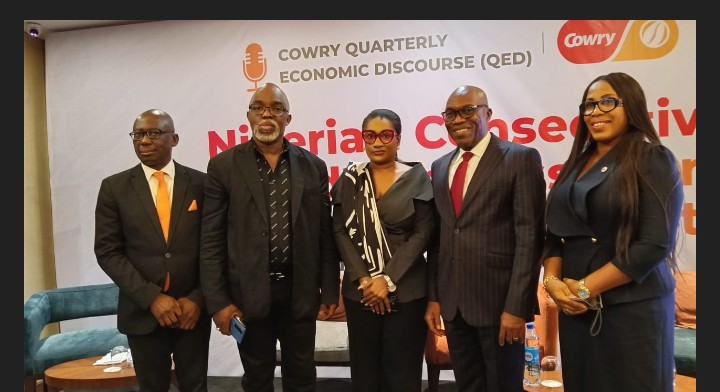
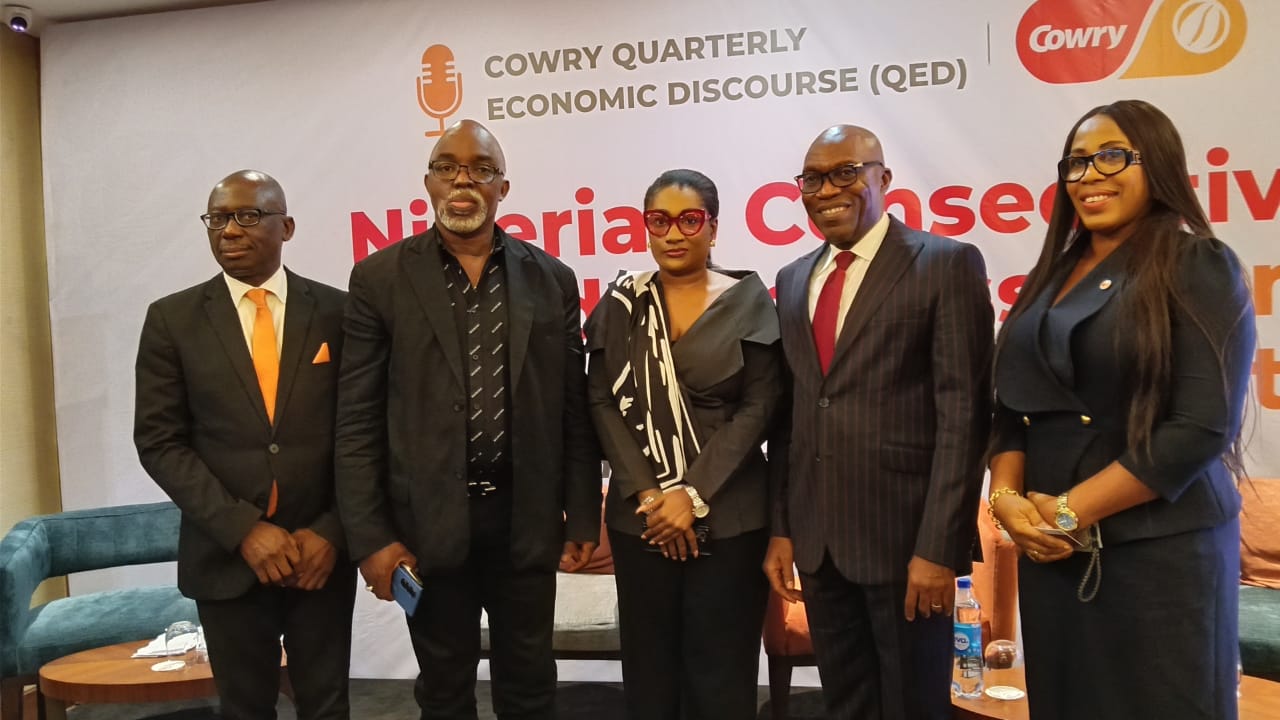
The experts made the assertion at the Cowry Asset Management Quarterly Economic Discourse held in Lagos. The event, themed: “Nigeria’s Consecutive Worsening World Cup Misses and Worsening Insecurity: The Economic Performance Nexus,” examined the relationship between sports performance, governance and economic development.
Speakers agreed that Nigeria’s declining fortunes in international football are not merely a sporting concern but a reflection of broader structural deficiencies that continue to undermine national development and economic competitiveness.
In his opening remarks, the Managing Director of Cowry Asset Management, Johnson Chukwu, said sports should be recognized as a strategic economic sector capable of creating jobs, stimulating entrepreneurship and empowering millions of young Nigerians.
According to him, countries that achieve sustainable development deliberately invest in human capital from an early age, building strong educational systems and talent development programmes that produce long-term economic benefits.