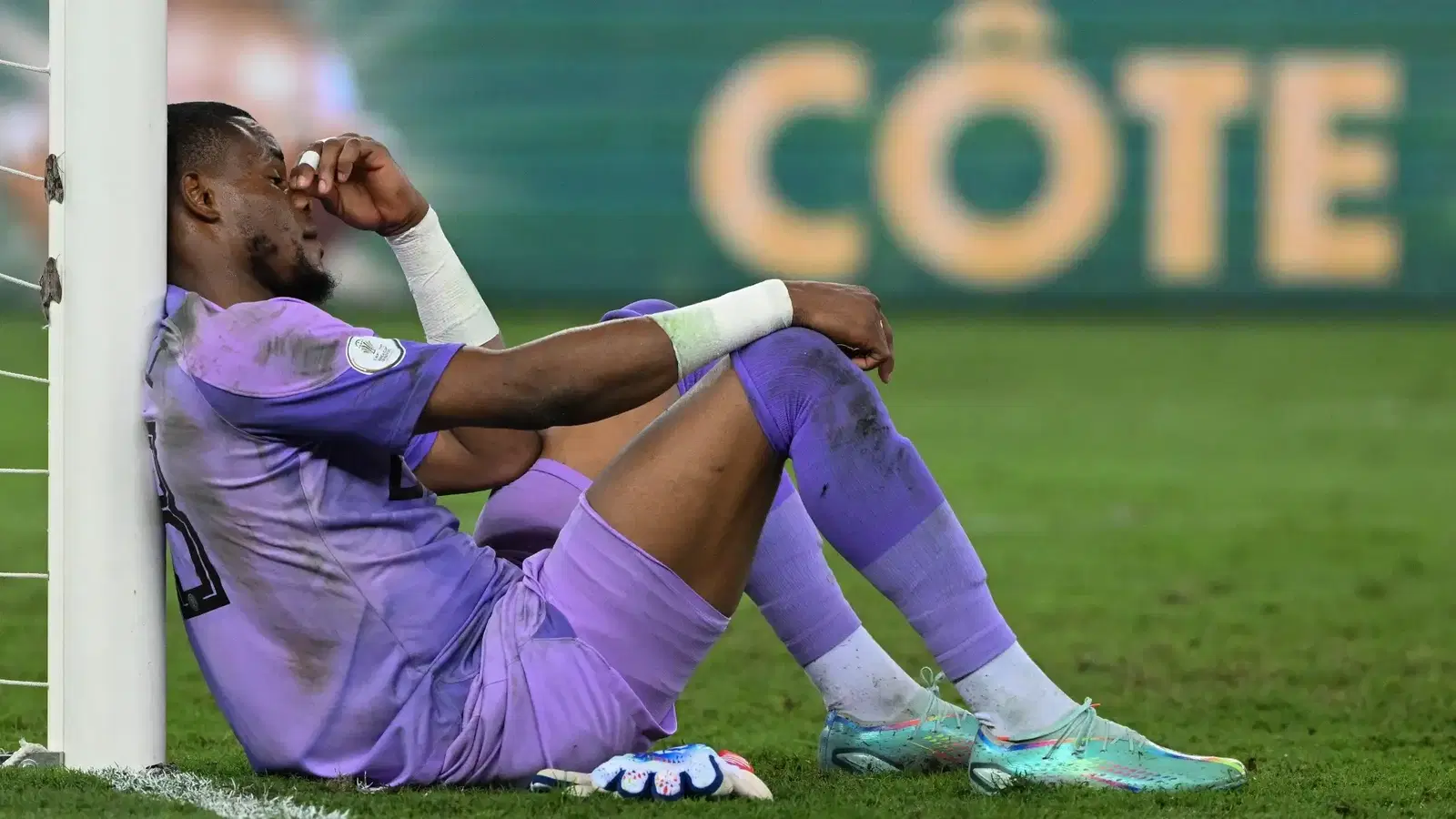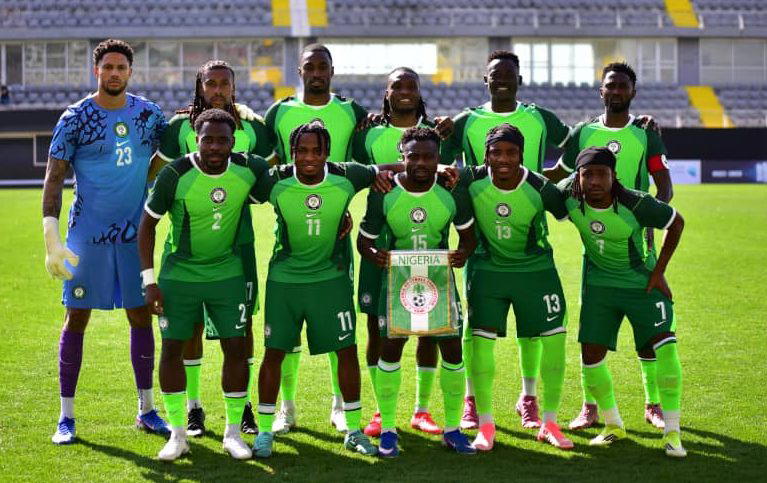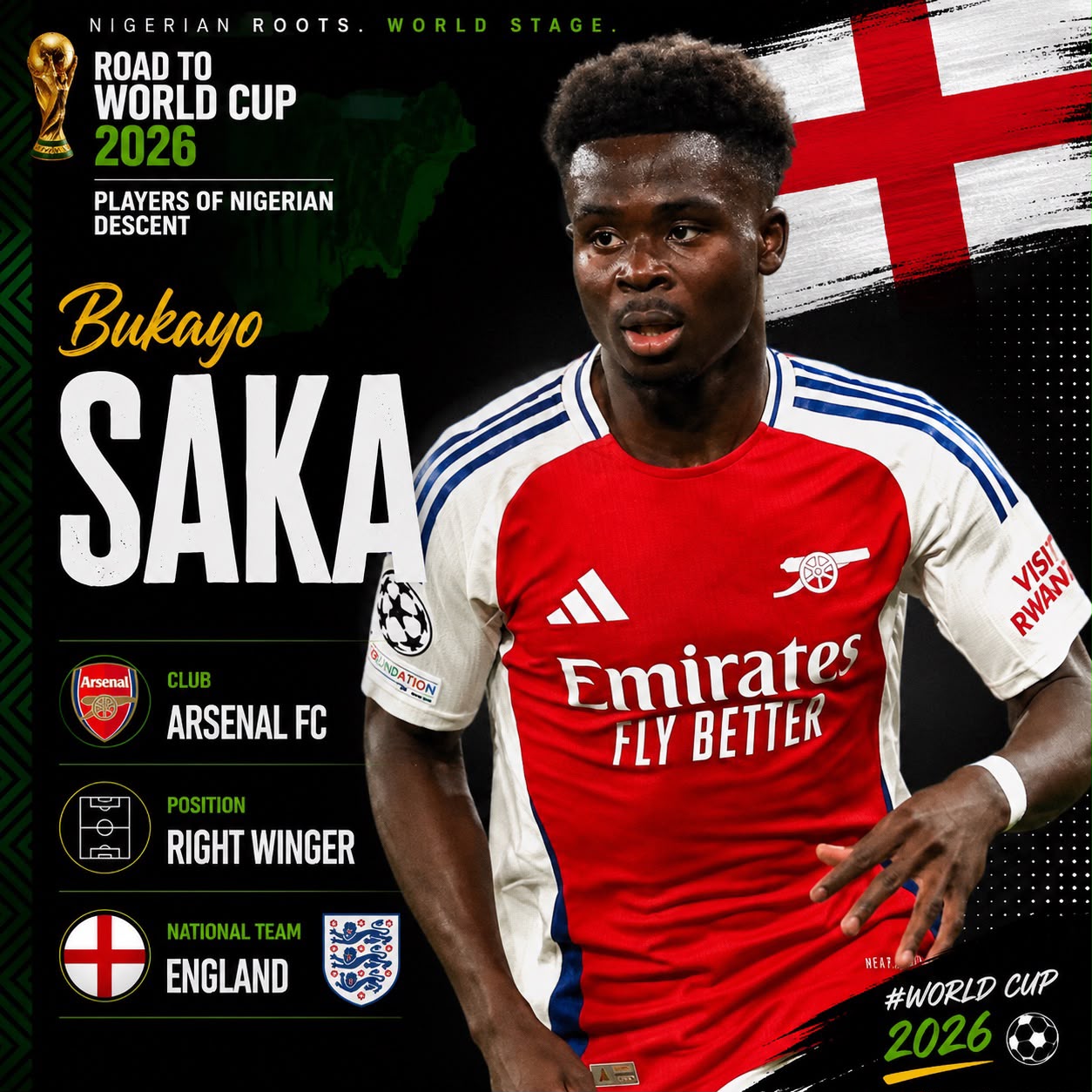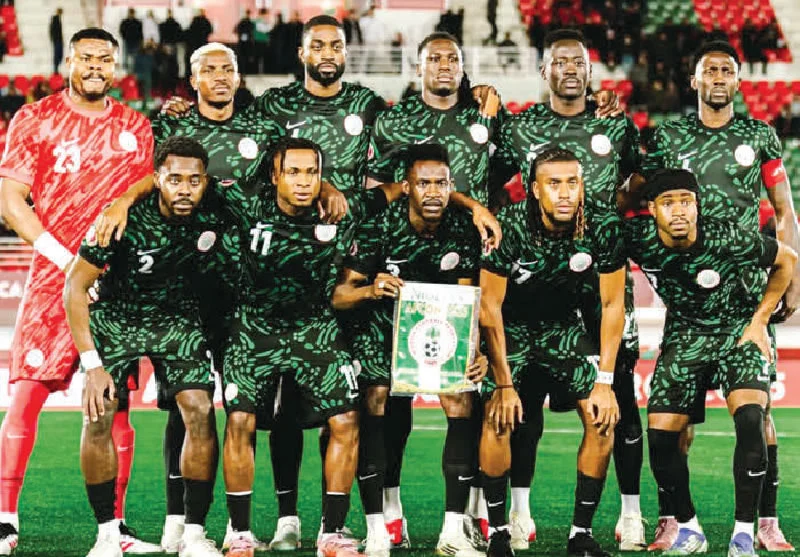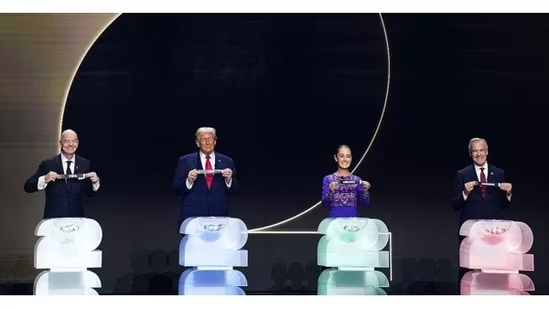
The FIFA World Cup kicks off this week across North America. Forty-eight nations will chase football’s biggest prize. Sadly, Nigeria will not be among them.
For many Nigerians, this absence has become like a pattern. The Super Eagles also missed the 2022 World Cup in Qatar. Now they will miss the 2026 edition despite FIFA expanding the tournament from 32 teams to 48. An increase in the number of teams was supposed to make qualification easier for African teams. Yet Nigeria failed again.
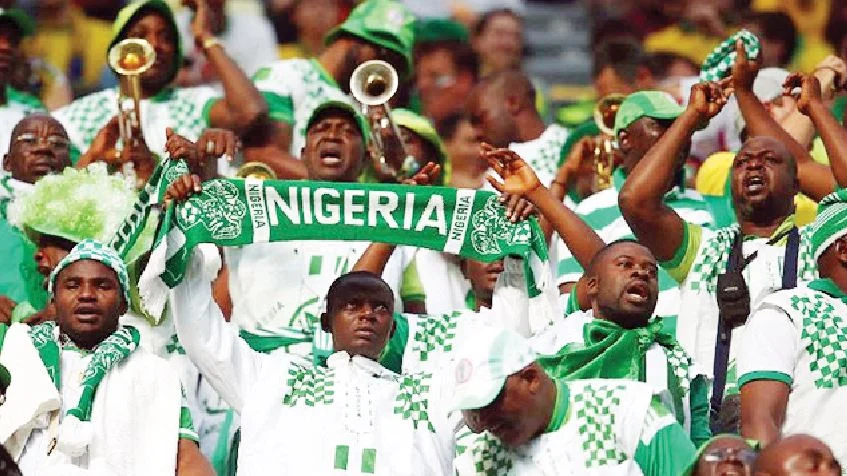
The disappointment is deeper because Nigeria is not a small football nation trying to punch above its weight. Nigeria has a huge population, a passionate fan base, talented players in major European leagues and a rich football history. The country has produced Olympic champions, African champions, and generations of players admired around the world.
When people from countries like Italy, Spain, South Korea, Bulgaria, Argentina, or Mexico meet you in any part of the world, and you tell them you are from Nigeria, their faces brighten as they discuss Nigeria’s prowess in football as well as names like Okocha, Kanu, and Amunike. That is why every World Cup absence feels painful and a missed opportunity.
Nigeria’s World Cup story began relatively late. Before 1994, the country had never qualified for the tournament. Then came a golden generation led by players such as Rashidi Yekini, Emmanuel Amunike, Jay-Jay Okocha, Sunday Oliseh, Finidi George, and Daniel Amokachi. Nigeria qualified for the 1994 World Cup in the United States and immediately made an impact with a 3-0 bashing of Bulgaria in its first game. The Super Eagles topped a group that included Argentina, Bulgaria, and Greece before losing to Italy through a late-minute penalty in the Round of 16, after leading Italy virtually all through the game. Many observers regarded them as one of the tournament’s most exciting teams.