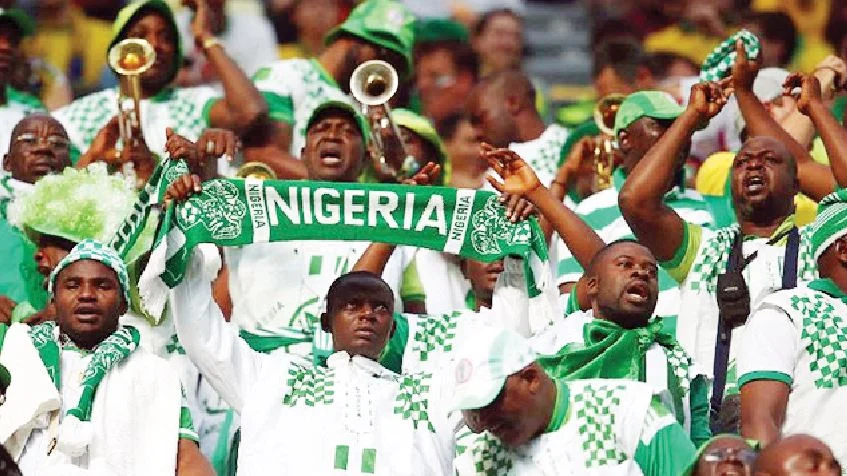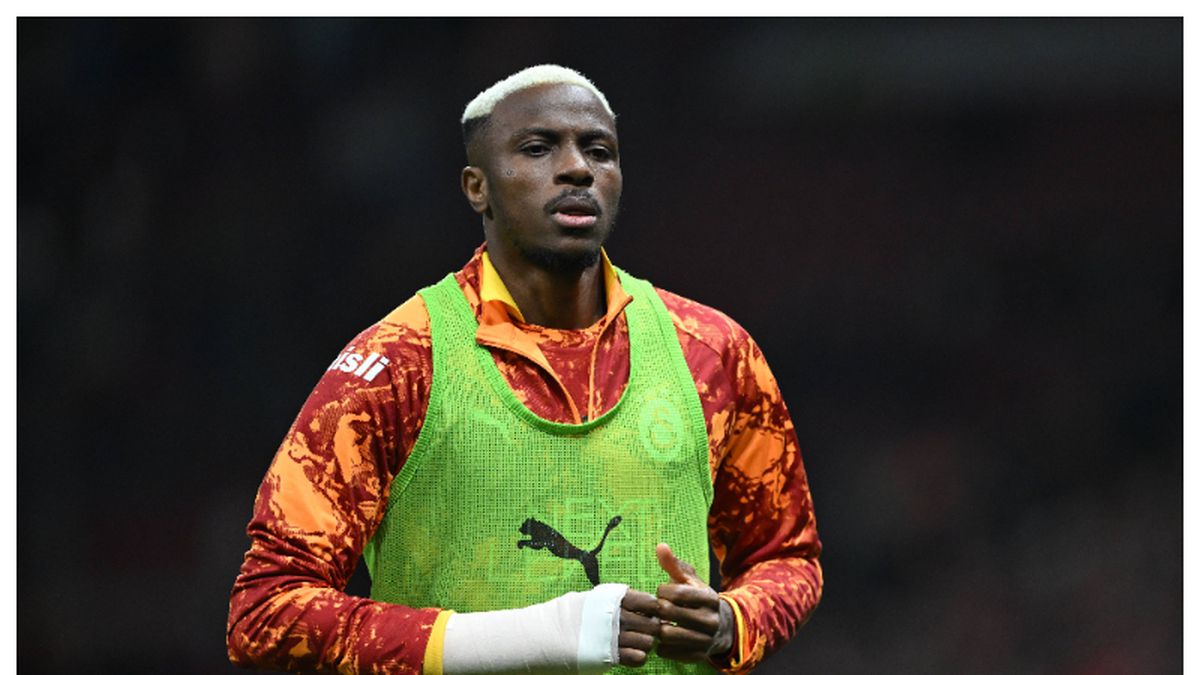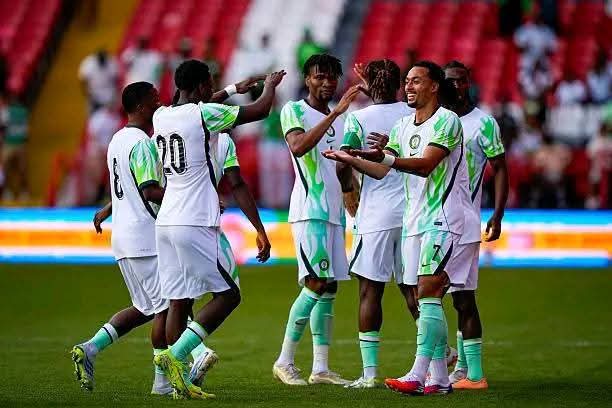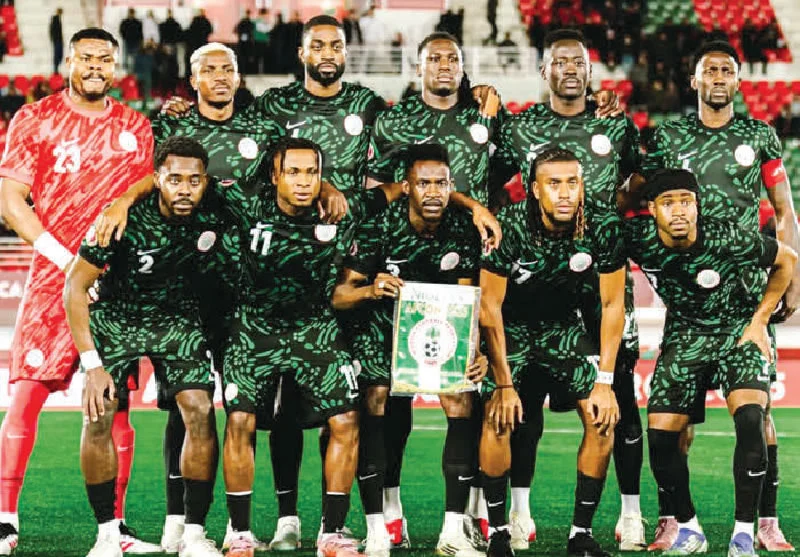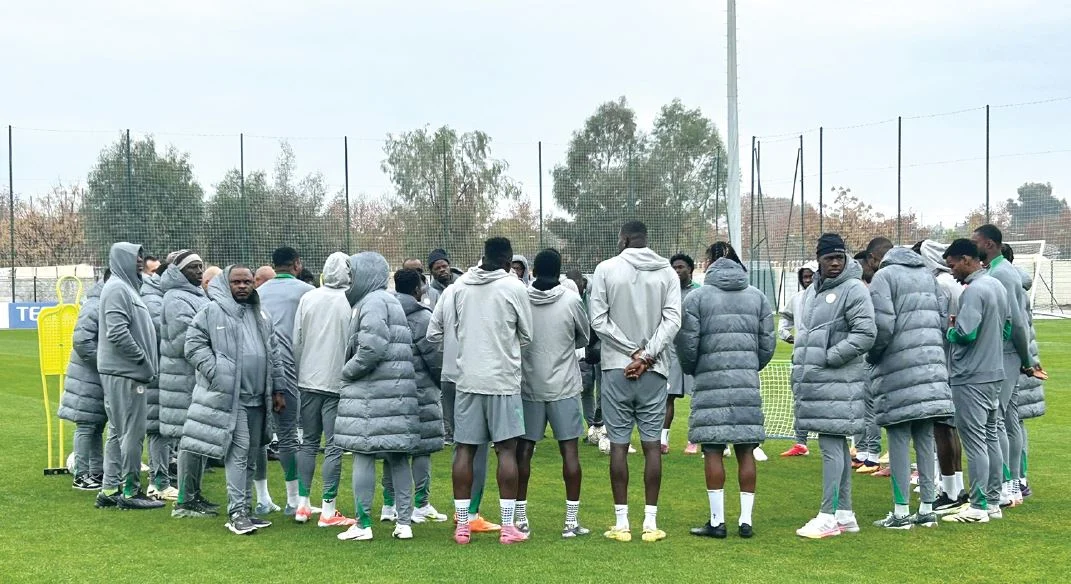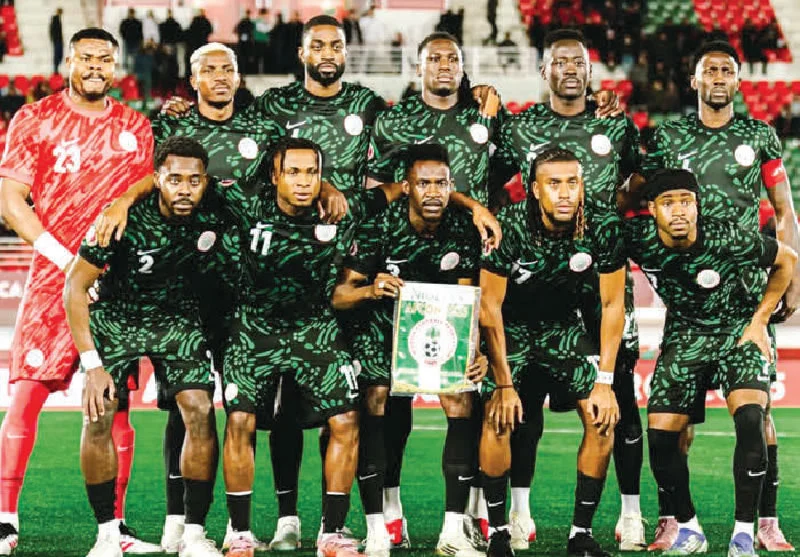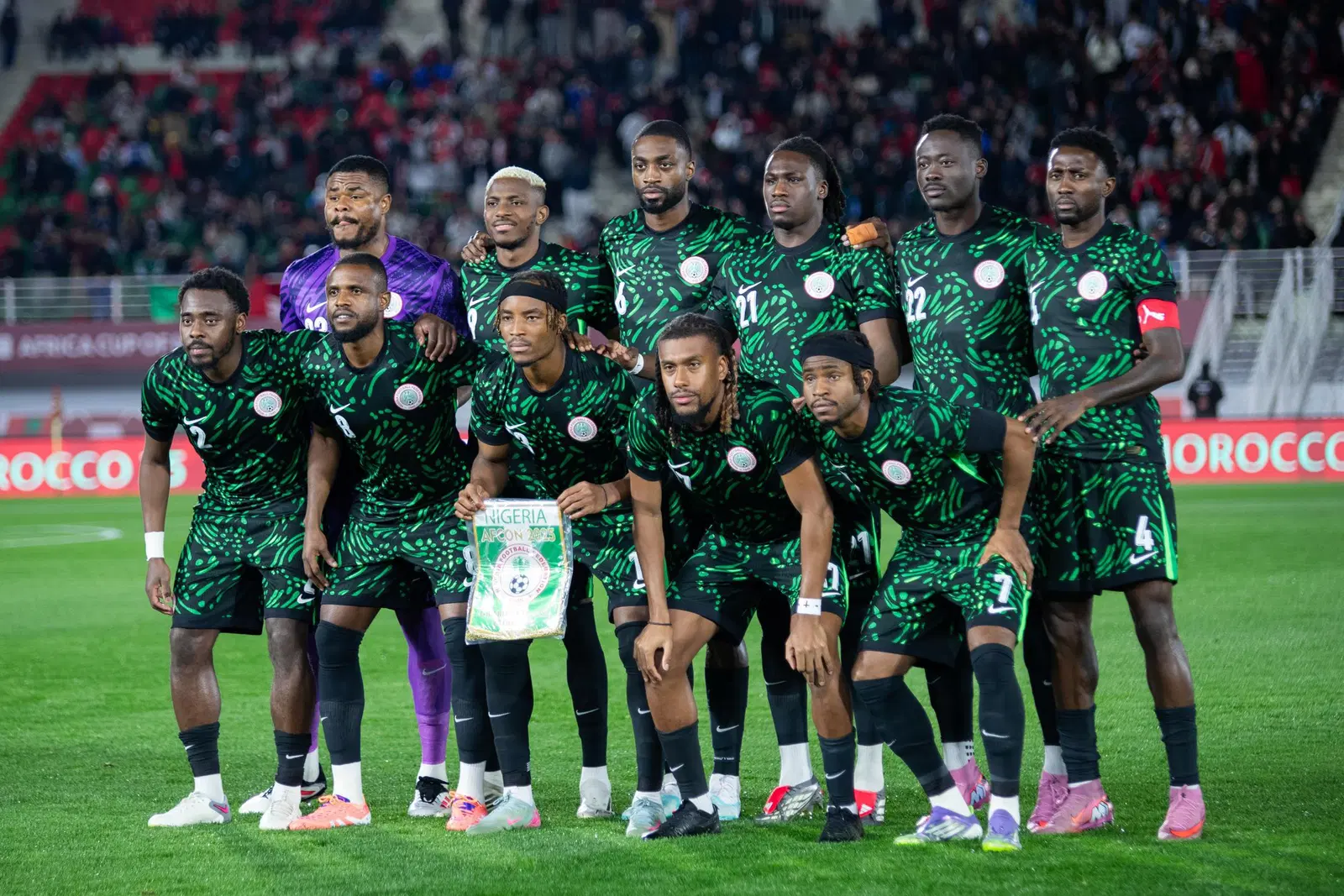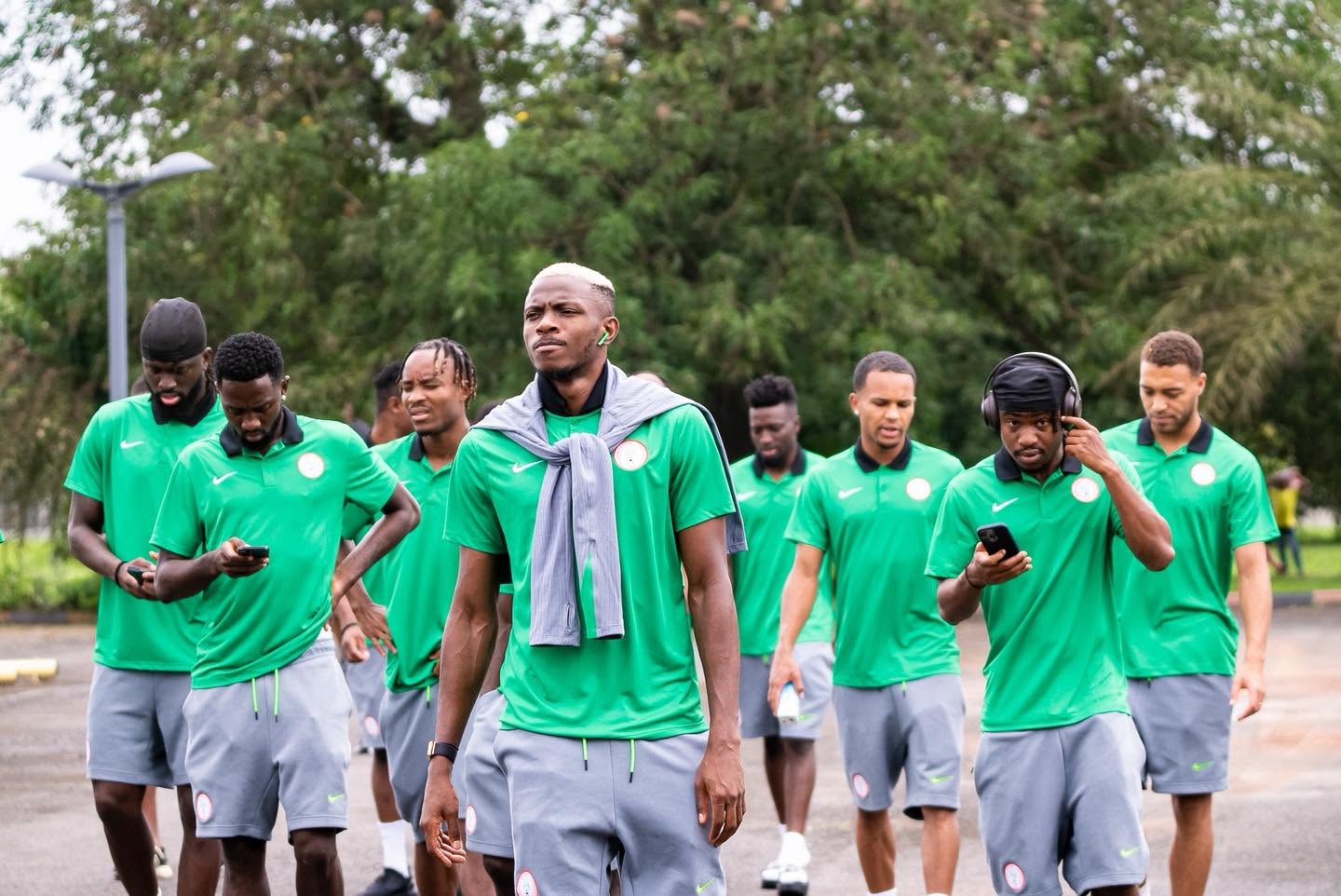
Super Eagles and Vision 2030 (PHOTO CREDIT: Super Eagles Facebook Page)
As the 2026 FIFA World Cup kicks off Thursday in North America, the ache of Nigeria’s absence is the kind that sits in the chest and refuses to leave.
The questions come in waves; why aren’t we there? Who do we blame? But I have learned by now that blame is a dead end. It changes nothing and builds nothing. So instead, I let my mind wander to a more hopeful place: why can’t the Super Eagles make it all the way to the final of the next FIFA World Cup, to be held across Morocco, Spain, and Portugal in 2030? The thought made me smile. Then it made me think seriously. What would a genuine, workable plan actually look like?
I looked at the current crop of players, the veterans, the rising stars, and the ones still finding their feet, and something struck me. Almost all the pieces are there. The talent is not the problem. It never was. What is missing is intention, structure, and the kind of administrative courage that turns potential into trophies.
The easy answer is great players. The true answer is something harder to manufacture. Go back four tournaments to South Africa 2010, and you find Spain winning with seven goals in eight games. They were not the most spectacular team in the tournament. They were the most coherent. Vicente del Bosque’s side had spent years building a shared language, short passes, positional discipline, and relentless control until the system ran on instinct. Xavi, Andres Iniesta, and Sergio Busquets: three midfielders who had played together so long they barely needed to look at each other. Twenty of their 23 players were from La Liga. The tactical vocabulary was already fluent before they landed in Johannesburg.