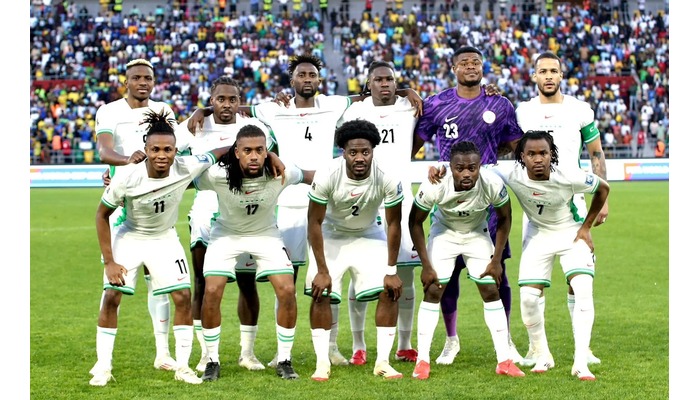
Nigeria’s consecutive failures to qualify for major global sporting spectacles are not mere athletic slumps, but direct symptoms of institutional governance deficits, severe human capital underinvestment, and compounding national insecurity.
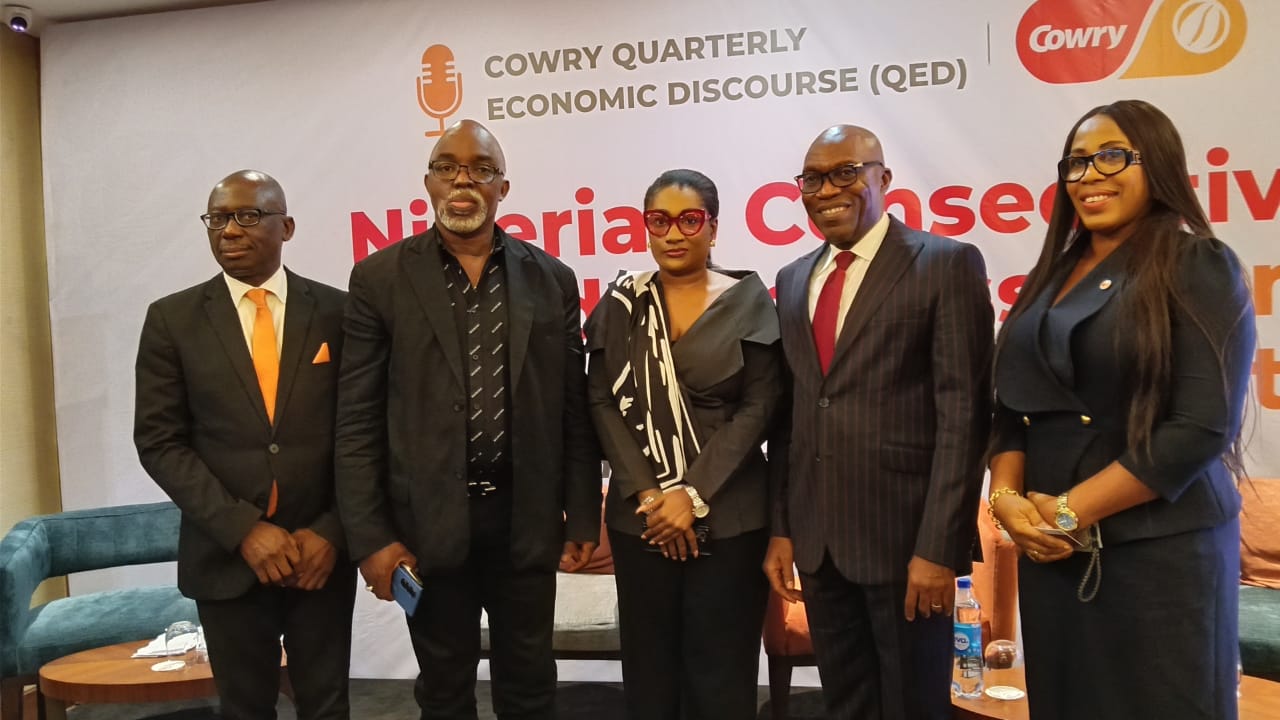
This was the consensus reached by economists, financial analysts, public policy experts, and sports administrators who gathered in Lagos for the Cowry Asset Management Quarterly Economic Discourse, themed “Nigeria’s Consecutive Worsening World Cup Misses and Worsening Insecurity: The Economic Performance Nexus.”
Panelists concluded that Nigeria’s failure to qualify for major international sporting events is not an isolated athletic slump, but a direct reflection of structural governance deficits, underinvestment in human capital, and compounding insecurity across the country.
In his opening address, Johnson Chukwu, Managing Director of Cowry Asset Management, underscored that sports must be viewed as an economic driver—capable of driving job creation, entrepreneurship, and youth empowerment—rather than mere entertainment.
“Development is not a happenstance,” Chukwu stated. “Countries that attain sustainable development deliberately nurture their human capital from childhood, investing in education, skill acquisition, and talent development long before the results become visible.”