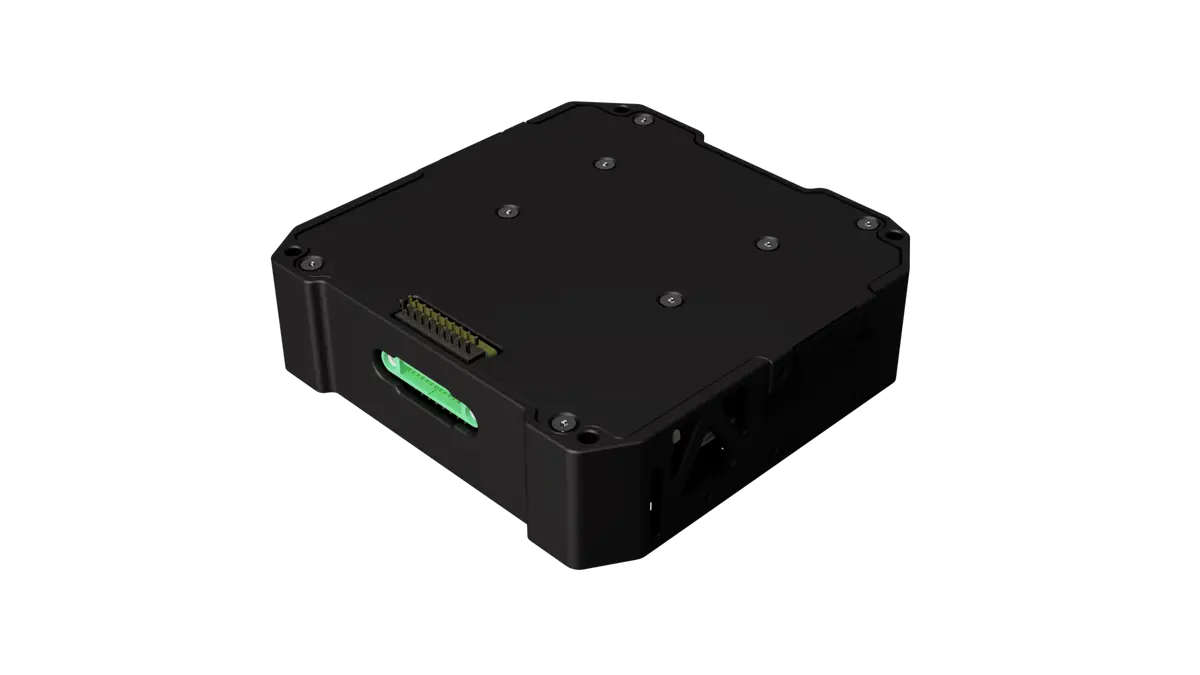
Priced at ₹1.05 lakh, the powerbank pack has successfully completed its first mission, powering CosmoServe’s debris catcher
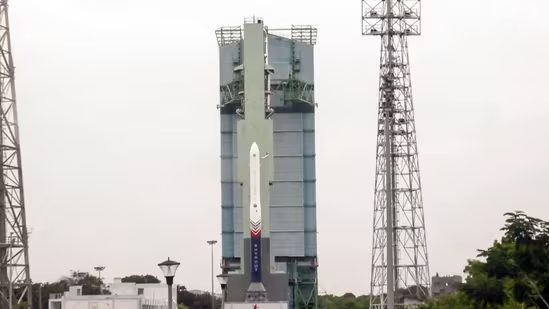
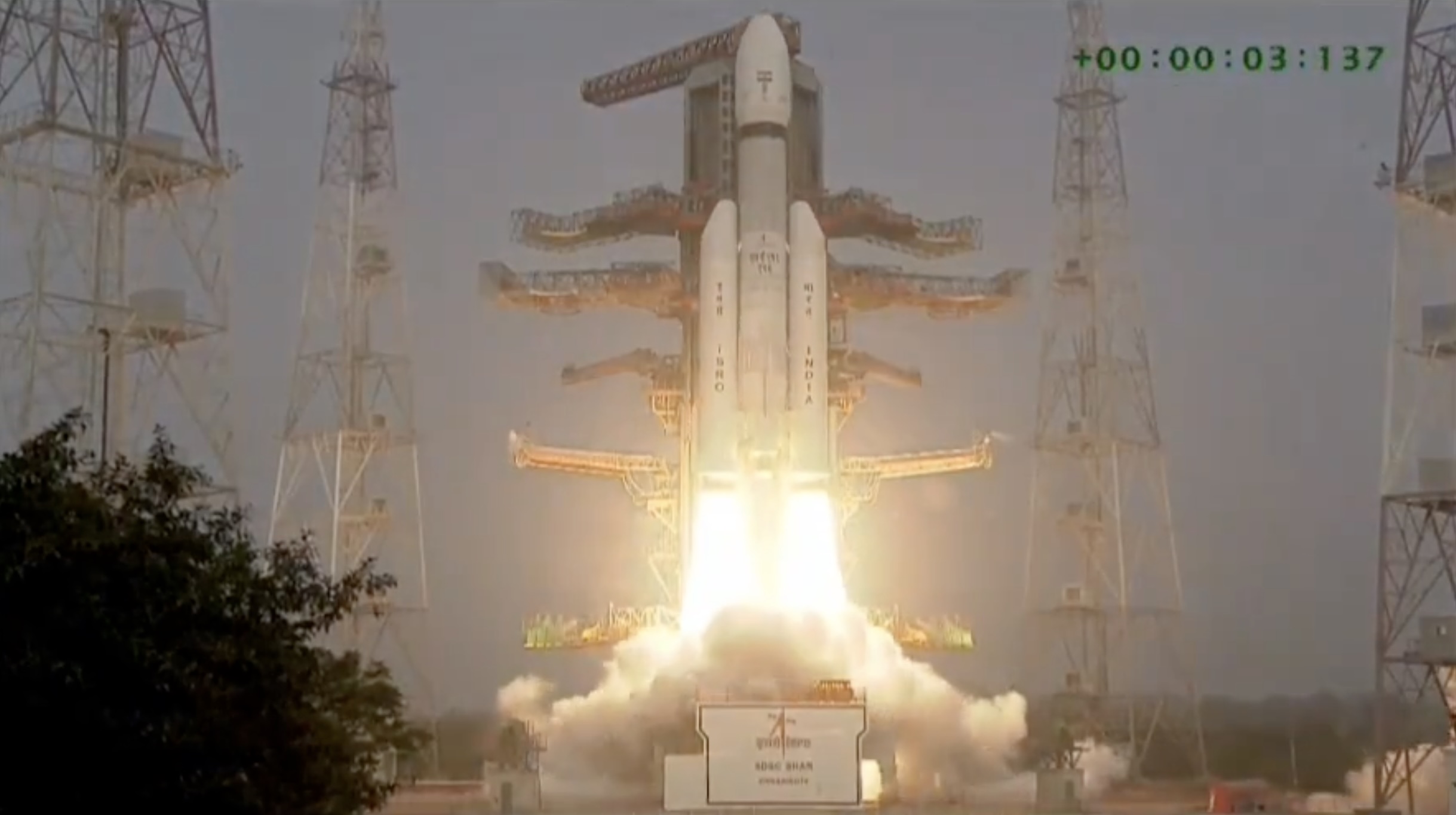
If you need a power bank for your smartphone as a fallback, a satellite requires it when it enters Earth’s shadow, as its solar panels become weak. An Indian space tech startup, TakeMe2Space, has built PowerBank-50, which can meet the needs of small satellites.It has been declared ‘space-proven’ on its maiden test launch, powering another spacetech startup’s experiment. Interestingly, both set off for the maiden journey aboard Skyroot Aerospace’s rocket launch early this month.Priced at ₹1.05 lakh, the powerbank pack has successfully completed its first mission, powering CosmoServe’s debris catcher. “Our PowerBank-50 unit powered Cosmoserve Space’s experimental payload on the launch vehicle’s Orbital Adjustment Module (OAM) at an altitude of 450 km, performing exactly as designed through the ‘violence of launch’ and the vacuum, radiation and temperature swings of space,” Ronak Kumar Samantray, Founder and CEO, TakeMe2Space, has said.PowerBank-50 packs more than 50 Wh of energy storage into a unit the size of a paperback and weighing 380 grams, with onboard intelligence that manages, balances, and reports the battery’s health to operators on the ground. Priced at Rs 1.05 lakh, the battery keeps itself warm through the extreme cold of orbit.“Every satellite mission lives or dies by its power system, which is why nobody wants to be the first to fly a new battery. Cosmoserve trusted our power bank on its crucial mission. Flying on the first private Indian rocket to reach orbit, and performing flawlessly at 450 km, is the strongest validation a product can earn,” he said. “Batteries are among the most safety-scrutinised components on any rocket, since they must survive intense launch vibration and shock, then operate reliably in vacuum through extreme hot and cold cycles every orbit,” he said.PowerBank-50 validated its entire chain in real-world conditions: its high-energy-density lithium-ion cells, intelligent battery management system, cell heaters, and aluminium flight enclosure. What does it meanFor India’s fast-growing small-satellite ecosystem, this milestone means builders no longer need to rely on imported, long-lead-time battery packs to de-risk their missions. A flight-proven power system is now designed, built and available off the shelf in India.Bankable batteries help satellites manoeuvre their jaunts through the Earth’s shadow where their solar panels go weak. Reliable batteries are vital to satellite survival during orbital shadows, ensuring the continuous data and services we rely on daily.