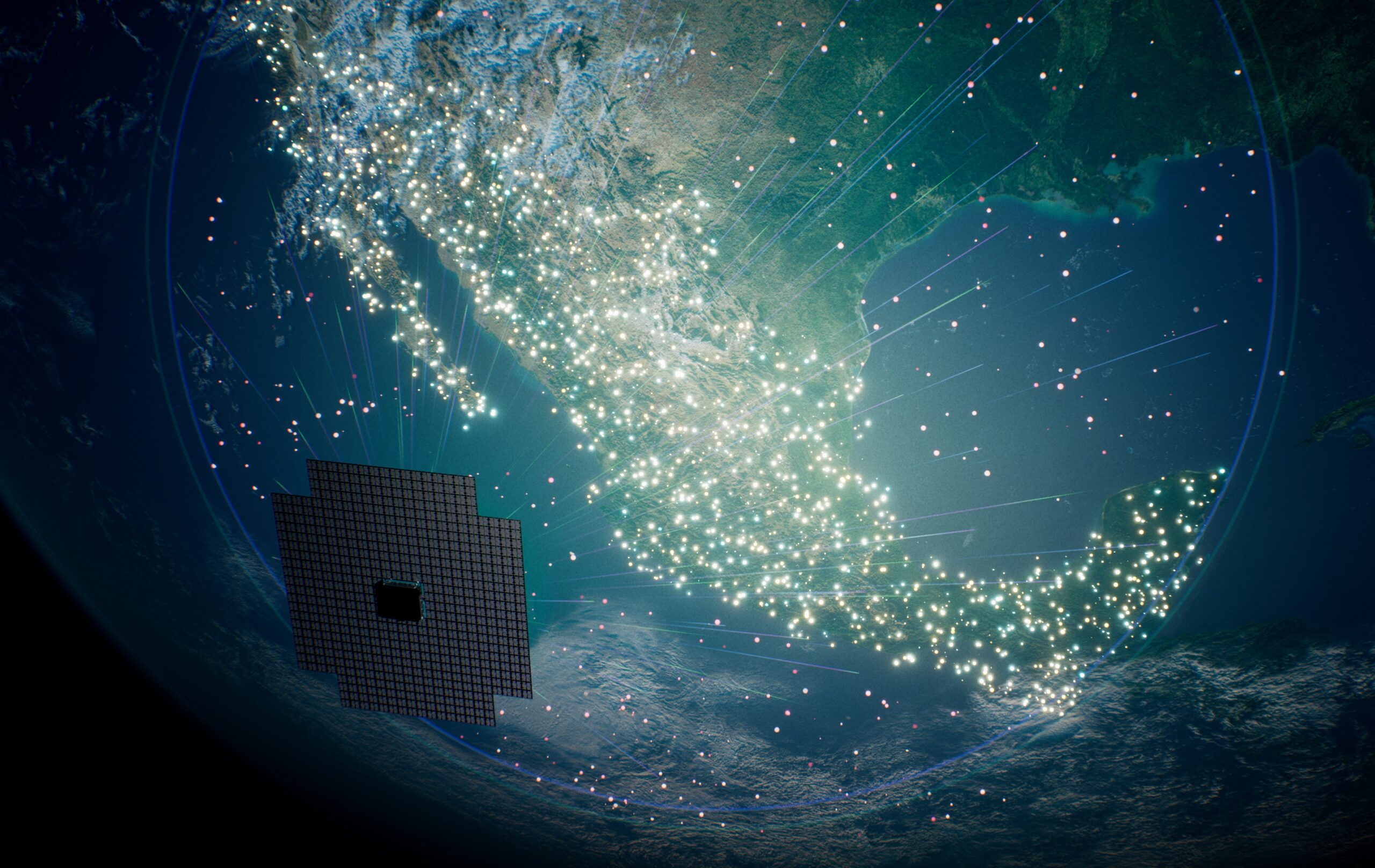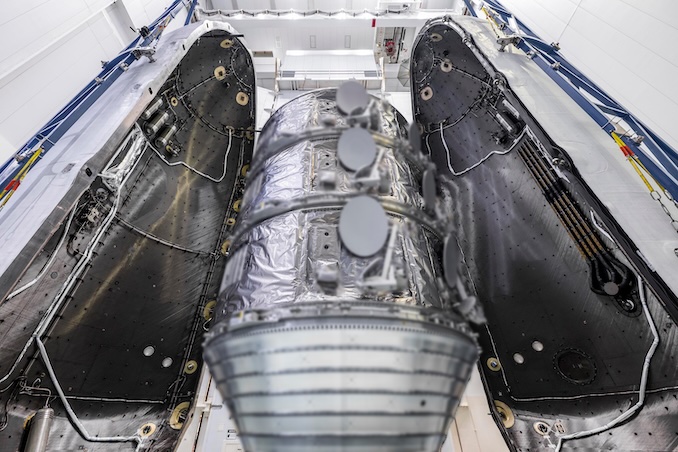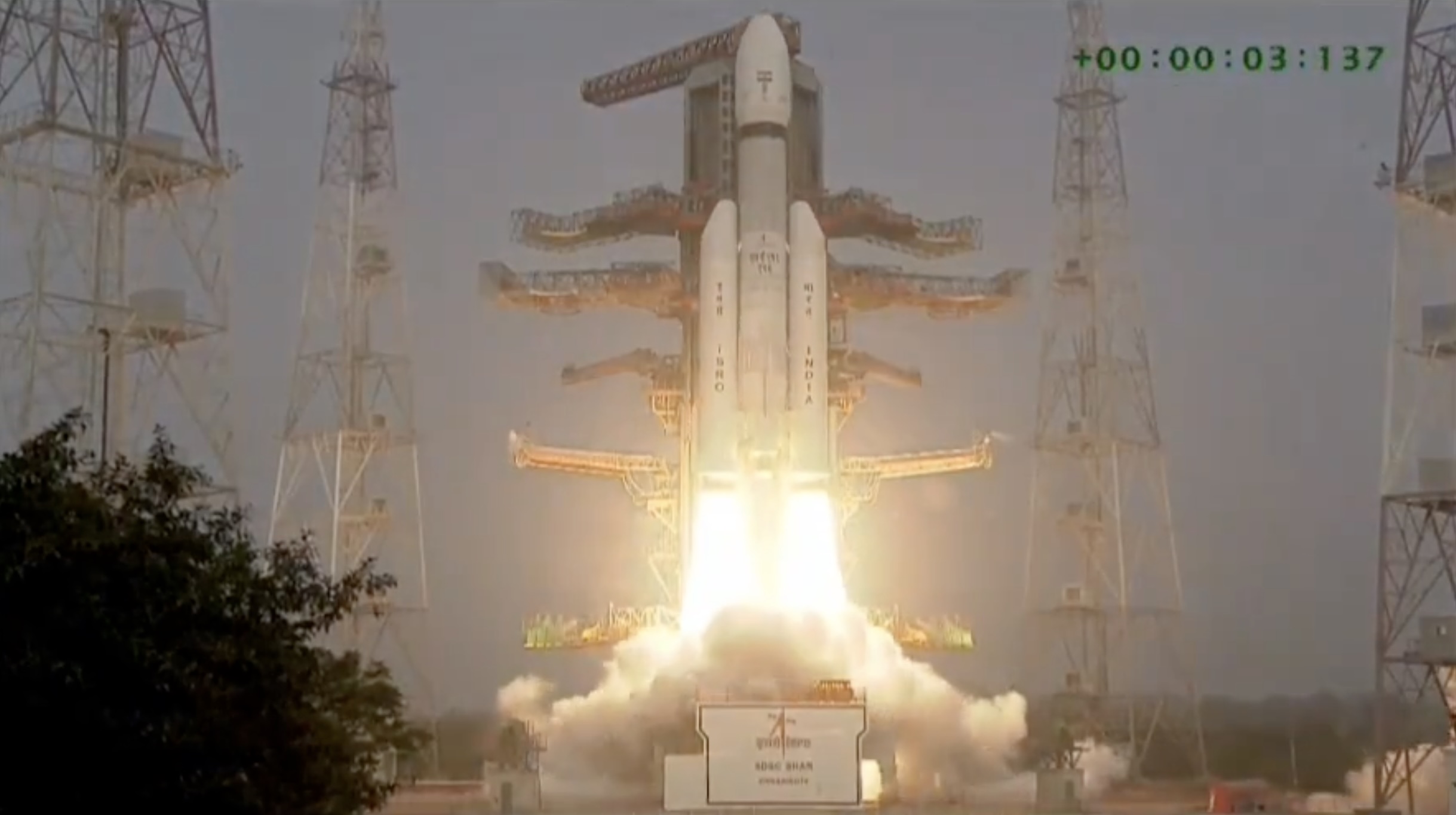
AST SpaceMobile's first Block 2 BlueBird direct-to-device satellite was taken to LEO by an LVM3, India's largest rocket, in December 2025. Credit: ISRO
AST SpaceMobile recently deployed three more BlueBird satellites into low Earth orbit as it advances plans for a space-based cellular broadband network of 45 to 60 satellites by the end of the year. SpaceX already has more than 650 direct-to-device satellites in orbit and a live commercial service with T-Mobile. Skylo’s network has 15 million connected devices, and Iridium is preparing NTN Direct for commercial launch.
In all, more than 275 partnerships between satellite and mobile network operators (MNOs) enable phones, vehicles and IoT sensors around the world to remain connected when terrestrial coverage is unavailable. Yet most MNOs still process payments for these partnerships through a financial system that dates to 1991, and nobody agrees on how to replace it.
The satellite and telecommunications industries want to expand global connectivity, but they come from very different worlds. When they do work together, the results are promising. Pilot projects are successful, and investment is pouring in. But almost nothing goes live, because the systems and processes that connect these two industries largely don’t exist.