Networks
Nice technology, shame about the price and the indoor blackouts
Mobile telcos are linking up with satellite operators to extend coverage beyond their cell towers reach, but actual usage of the technology may fall short of industry expectations. That's the view of Juniper Research, which forecasts monthly active direct-to-cell (D2C) users will grow from 17.4 million in 2026 to 133 million by 2031.Strong growth, but Juniper warns real-world adoption will likely disappoint: D2C is inherently niche, kicking in only when terrestrial signal fails, and it does nothing to solve poor indoor coverage - a complaint that frustrates users day-to-day.
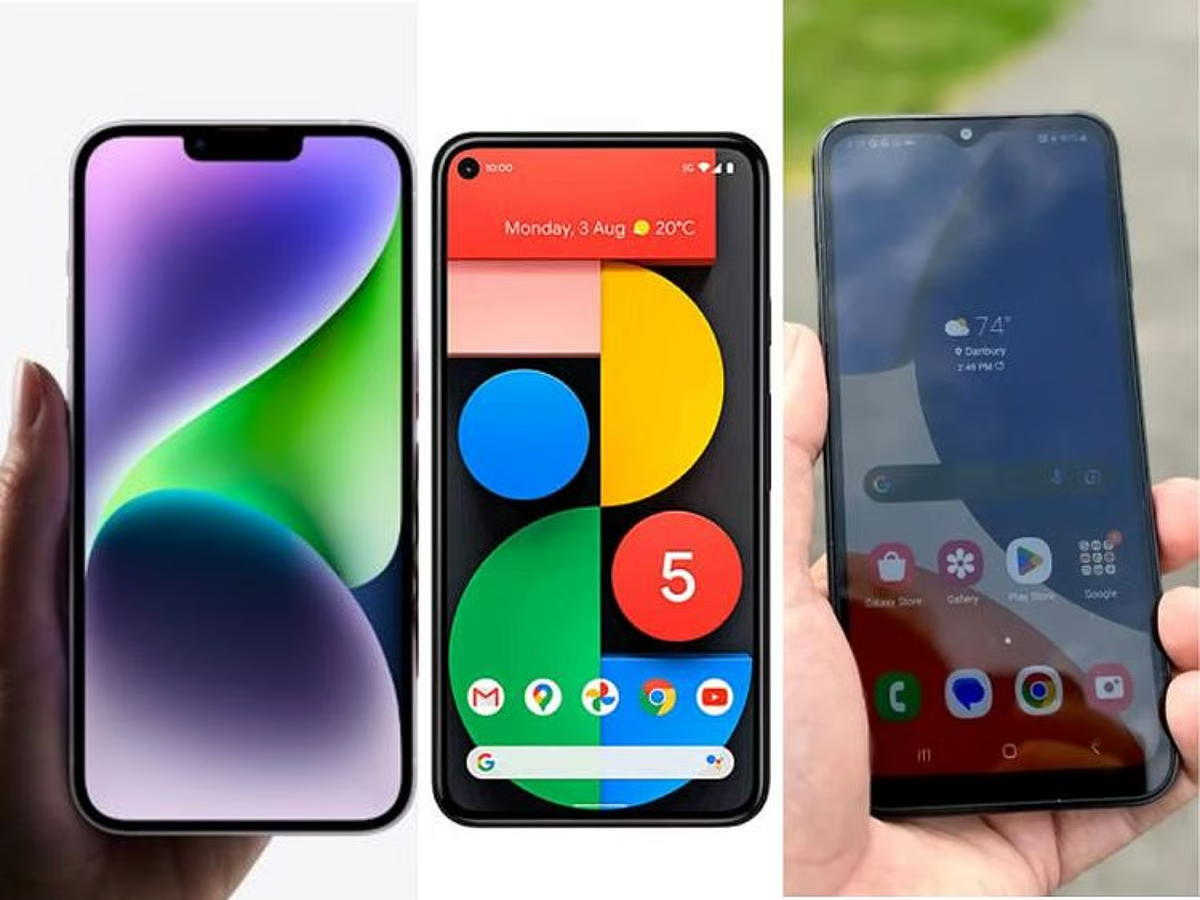
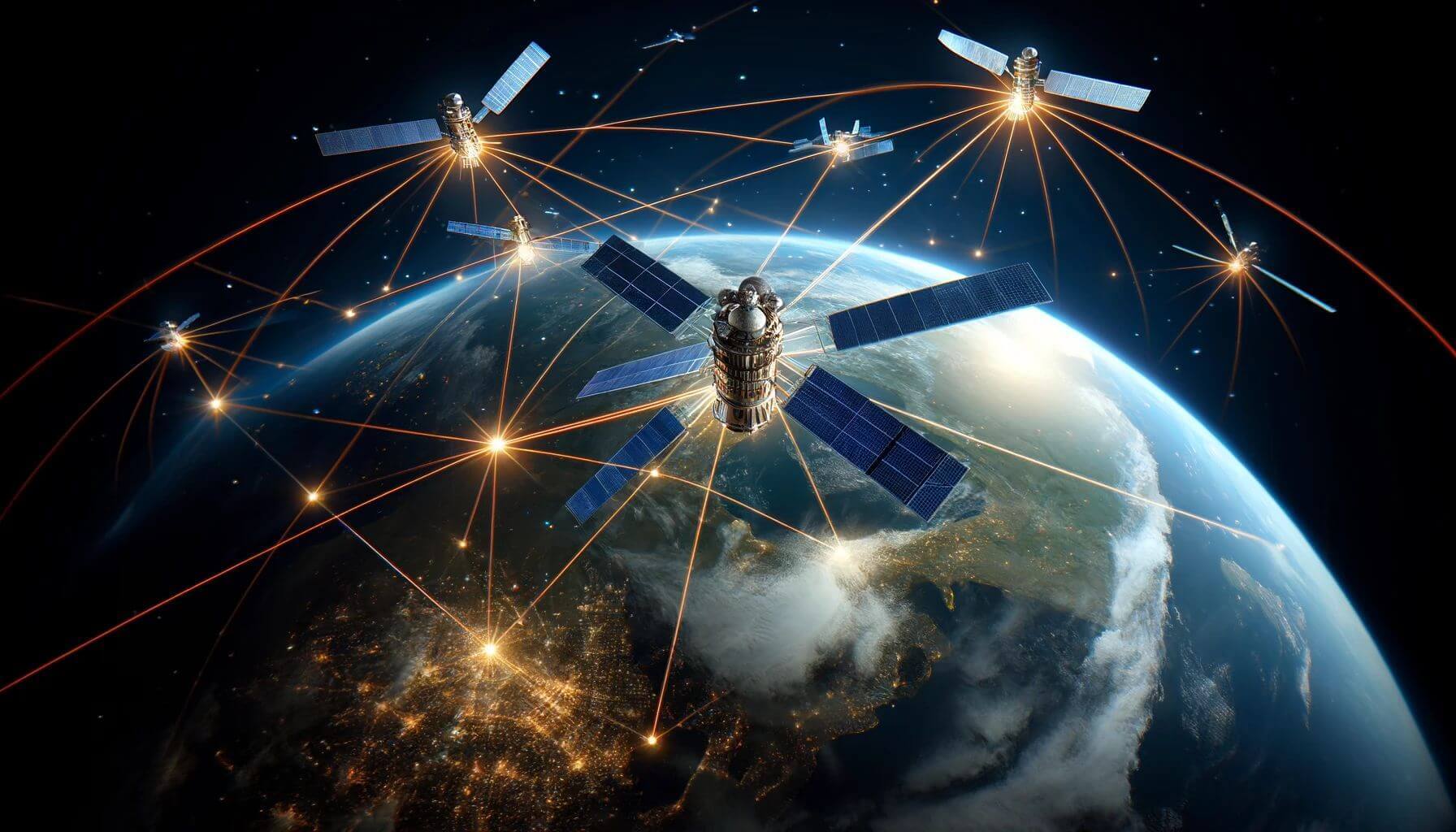
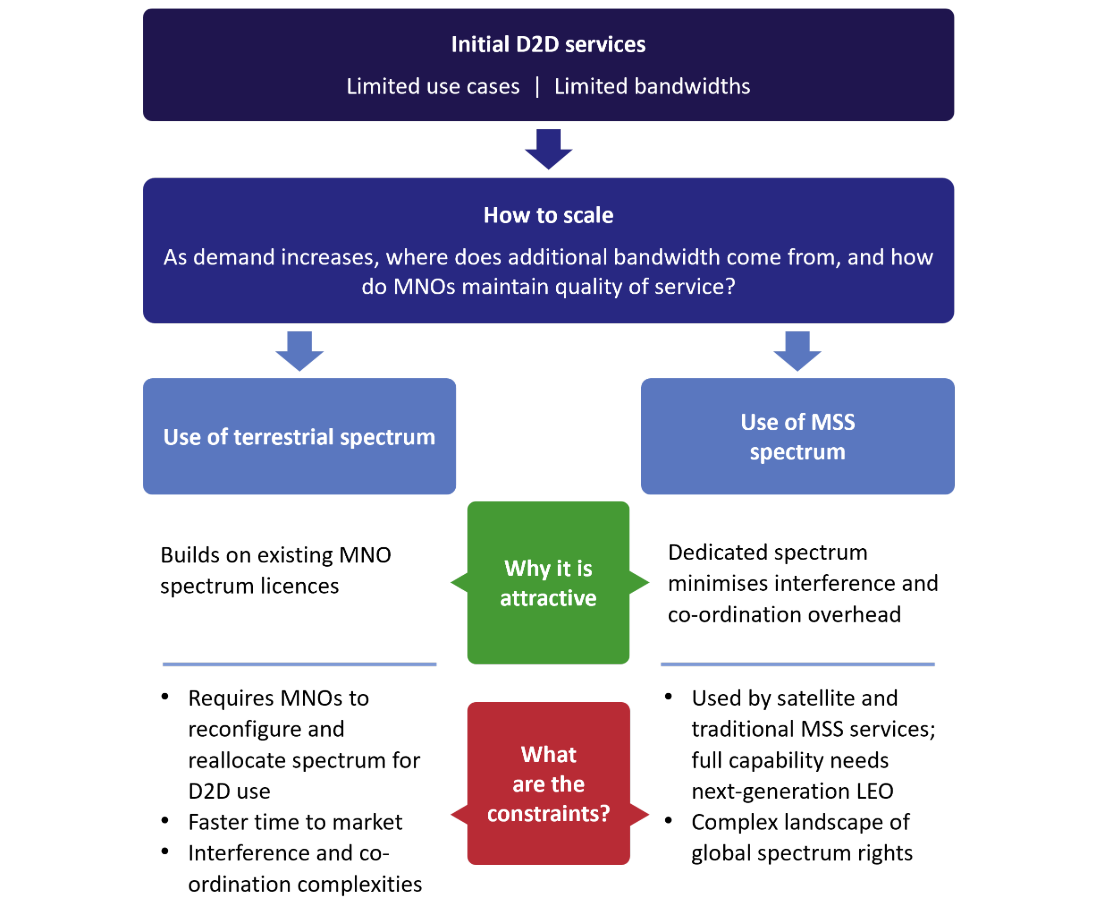
“Consumer demand for D2C is currently concentrated to specific trips and travel, such as to national parks and nature reserves, rather than during everyday usage of mobile services,” claimed senior research analyst Alex Webb.Network intelligence biz Ookla reported a few months back that the number of D2C connections rose nearly 25 percent between July 2025 and March 2026.As Reg readers know, D2C lets unmodified smartphones connect directly to low Earth orbit satellites, no specialist hardware required. Satellite companies ally with mobile network operators, borrowing their spectrum to cover areas beyond cell range, essentially like putting a cell tower in space. T-Mobile in the US led the way, offering a D2C capability via SpaceX’s Starlink constellation for roughly a year, and dangling it an an add-on to lure subscribers from rival networks.America is fertile ground for D2C given how quickly signal drops off outside major urban centers. Australia is similarly well-suited. Europe, where terrestrial networks cover most of the continent, was long considered a weaker prospect, though this hasn't deterred operators. Virgin Media O2 has launched its O2 Satellite service in the UK, while VodafoneThree was preparing customers for trials this summer.