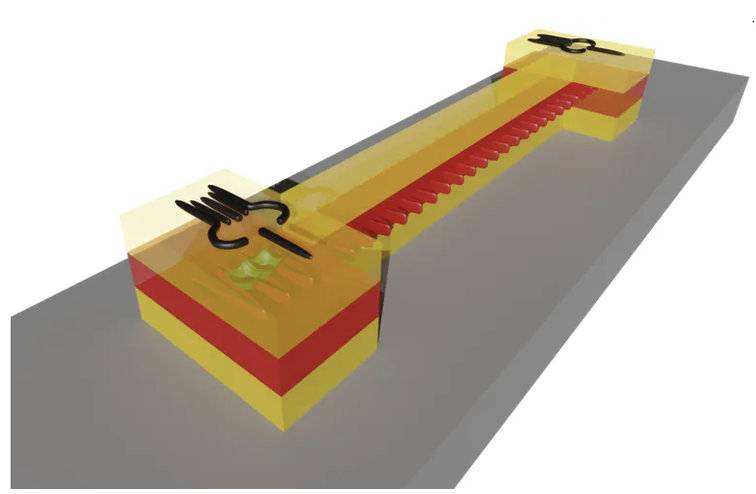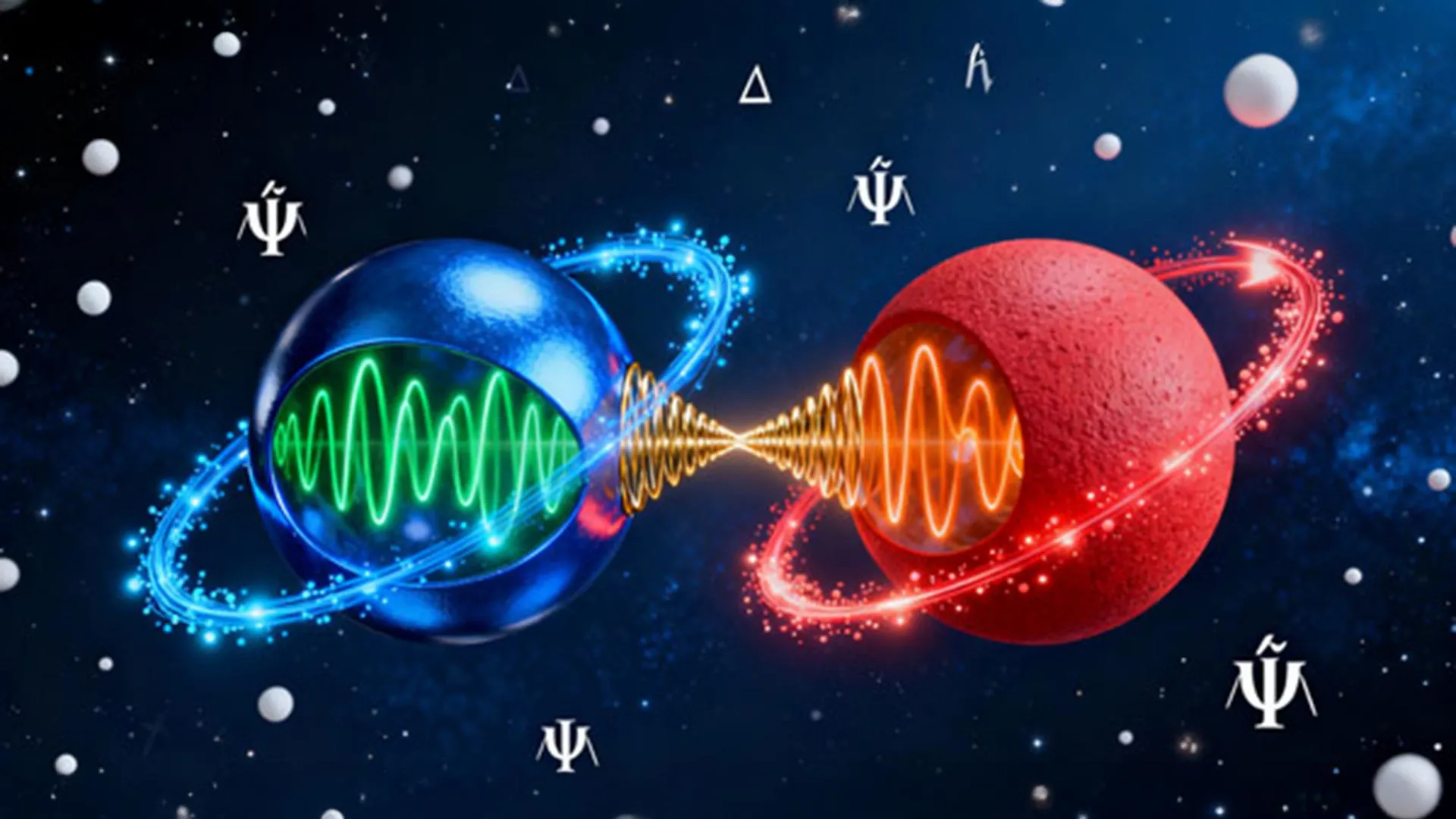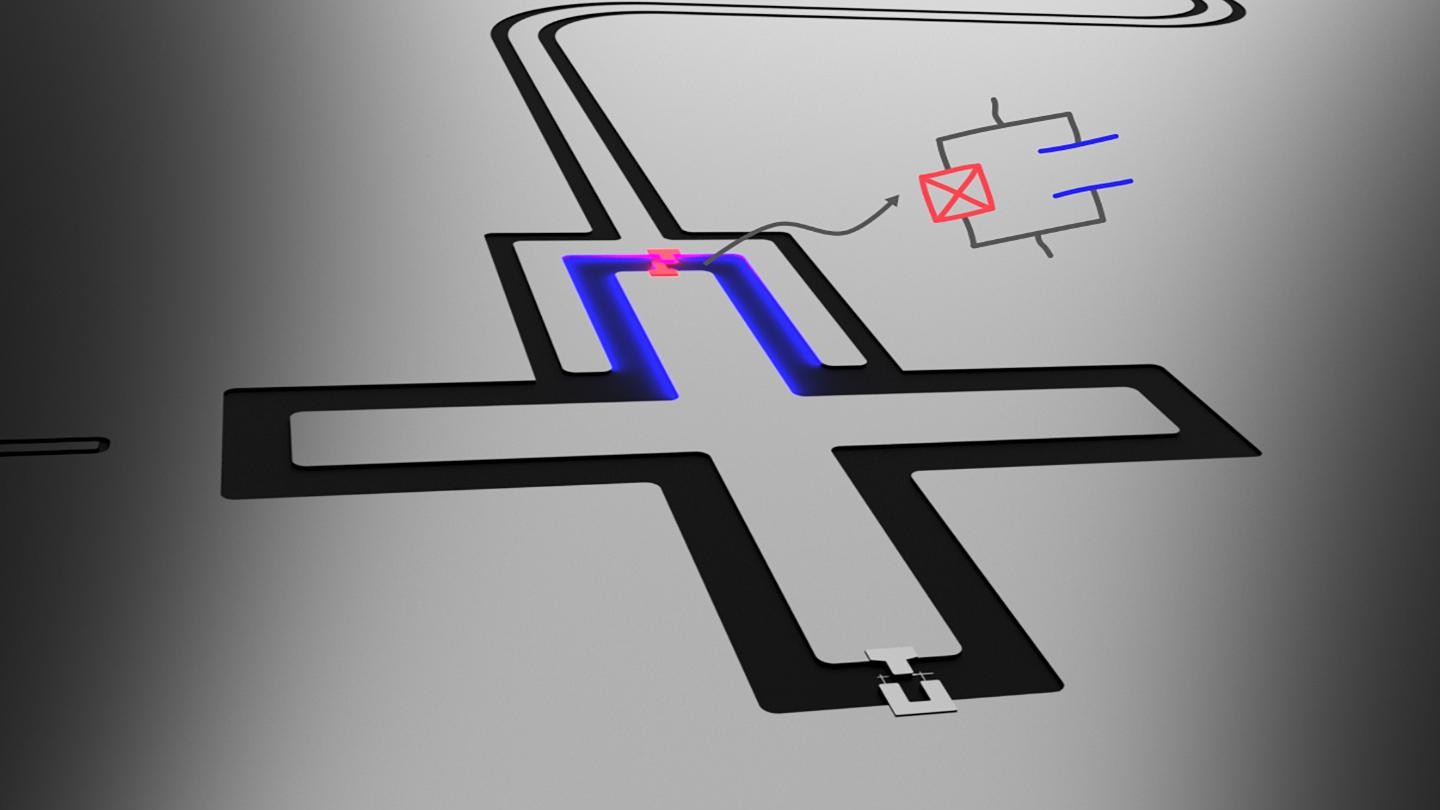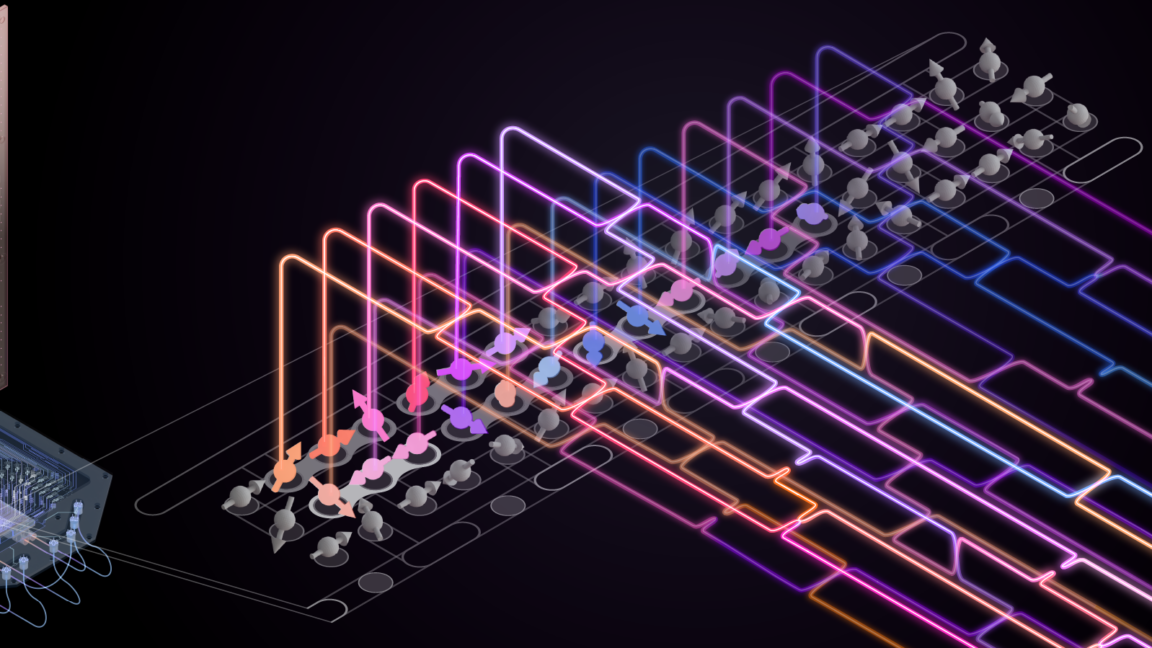
Researchers from the University of Warwick and NRC Canada developed a new chip architecture called Quantum Phononic Links to solve connectivity issues in quantum computing. This method uses acoustic vibrations to transmit data between qubits over long distances. It bypasses current limitations that restrict interactions to neighboring bits on a chip.
Acoustic vibrations as a data bus
The primary obstacle in the current quantum landscape involves the physical restriction of qubit interaction. Most existing systems only allow qubits that sit directly next to each other to communicate. This limitation creates a massive bottleneck when trying to scale up to the millions of qubits required for practical applications. If qubits cannot talk to their distant counterparts, the computational power of the system remains trapped in small, isolated clusters.
To address this, the research team introduced the concept of Quantum Phononic Links. This technology treats sound-like vibrations, or phonons, as a medium for moving information across the chip. Instead of relying on electrical wires or light, the system uses the mechanical properties of the material itself. These vibrations travel through the crystal lattice of the semiconductor, acting as a high-speed transit system for quantum states.