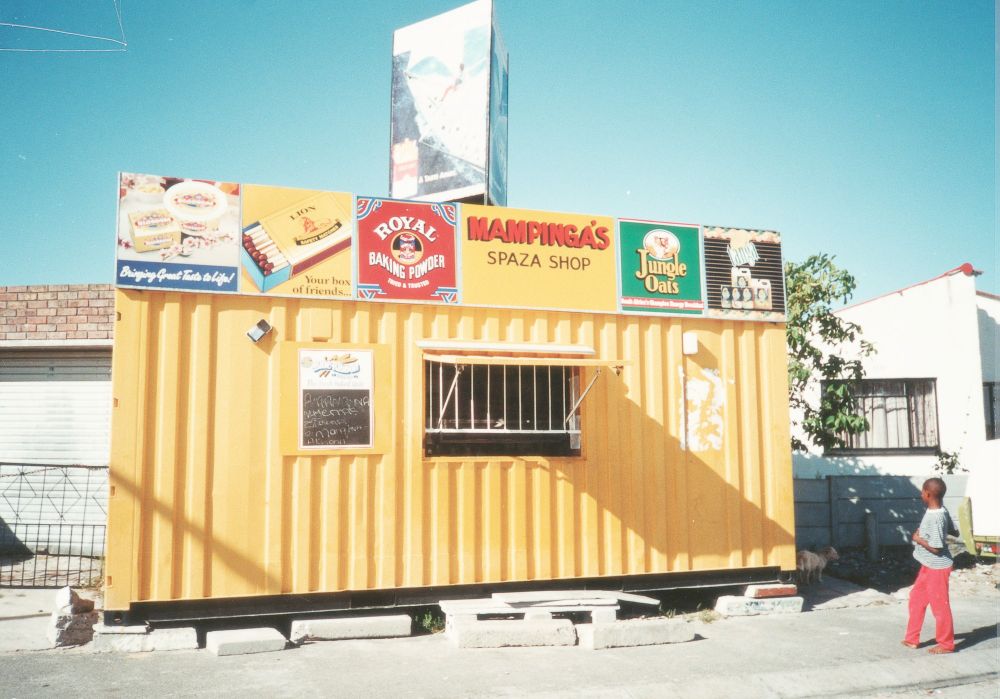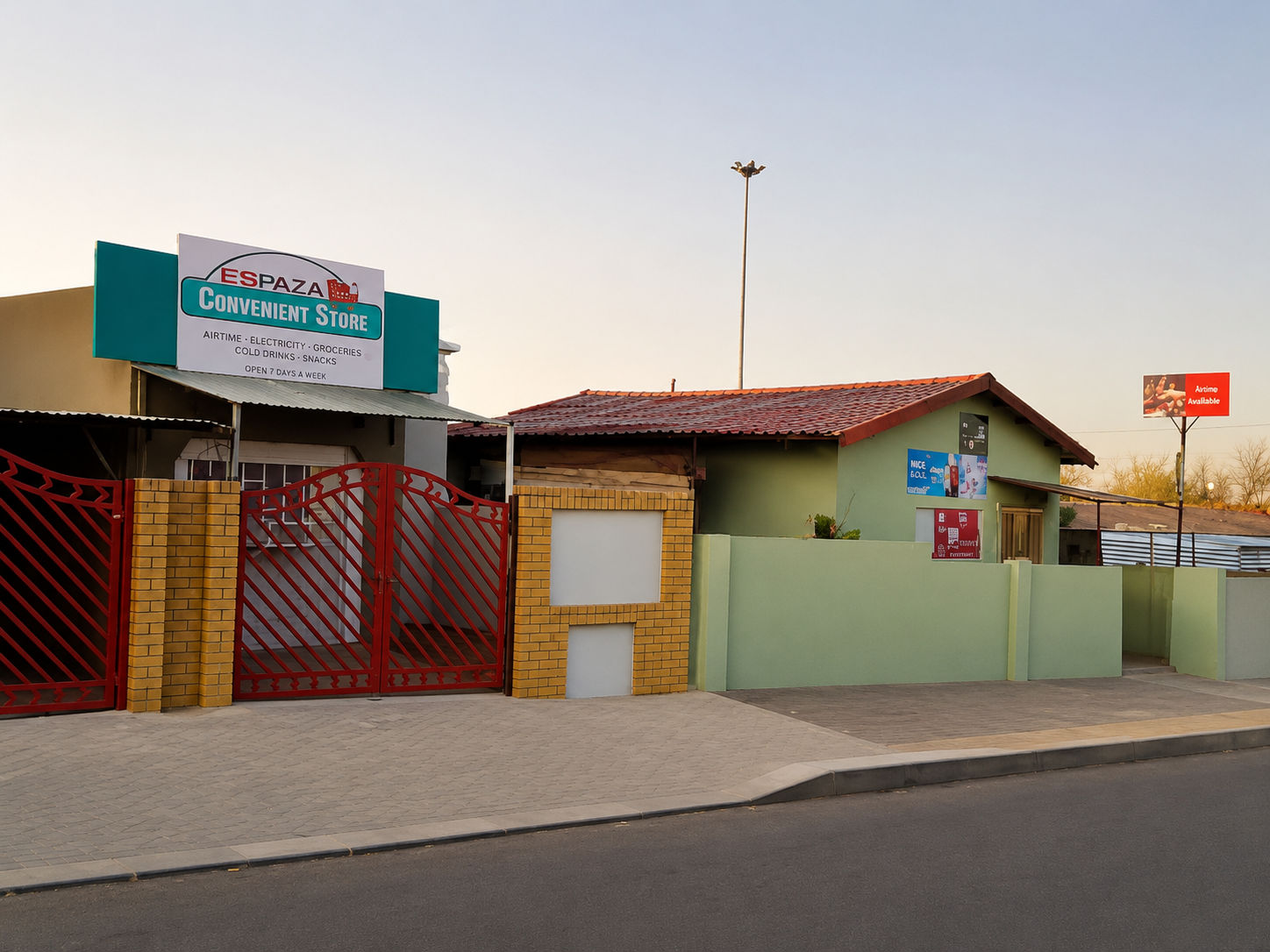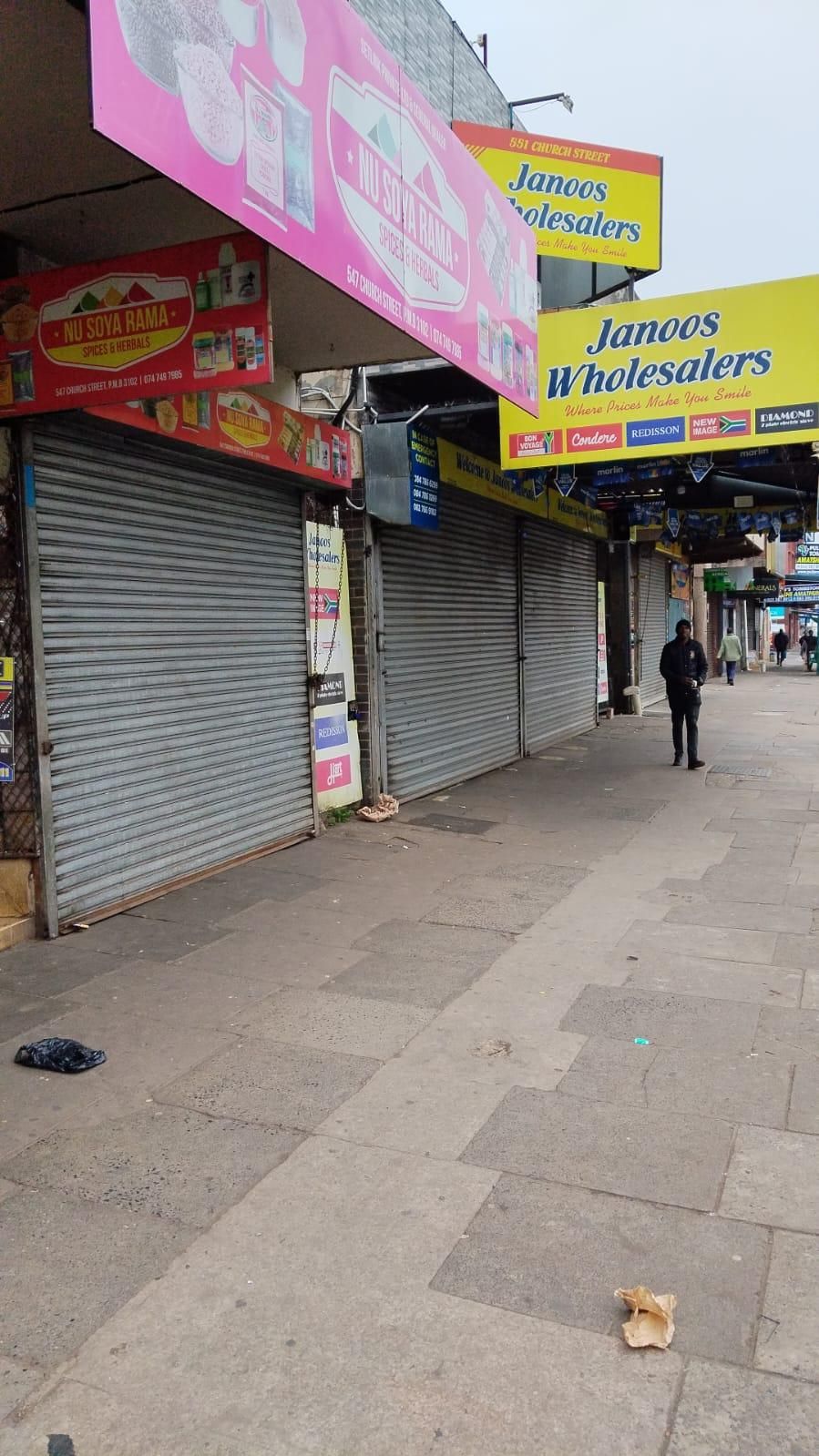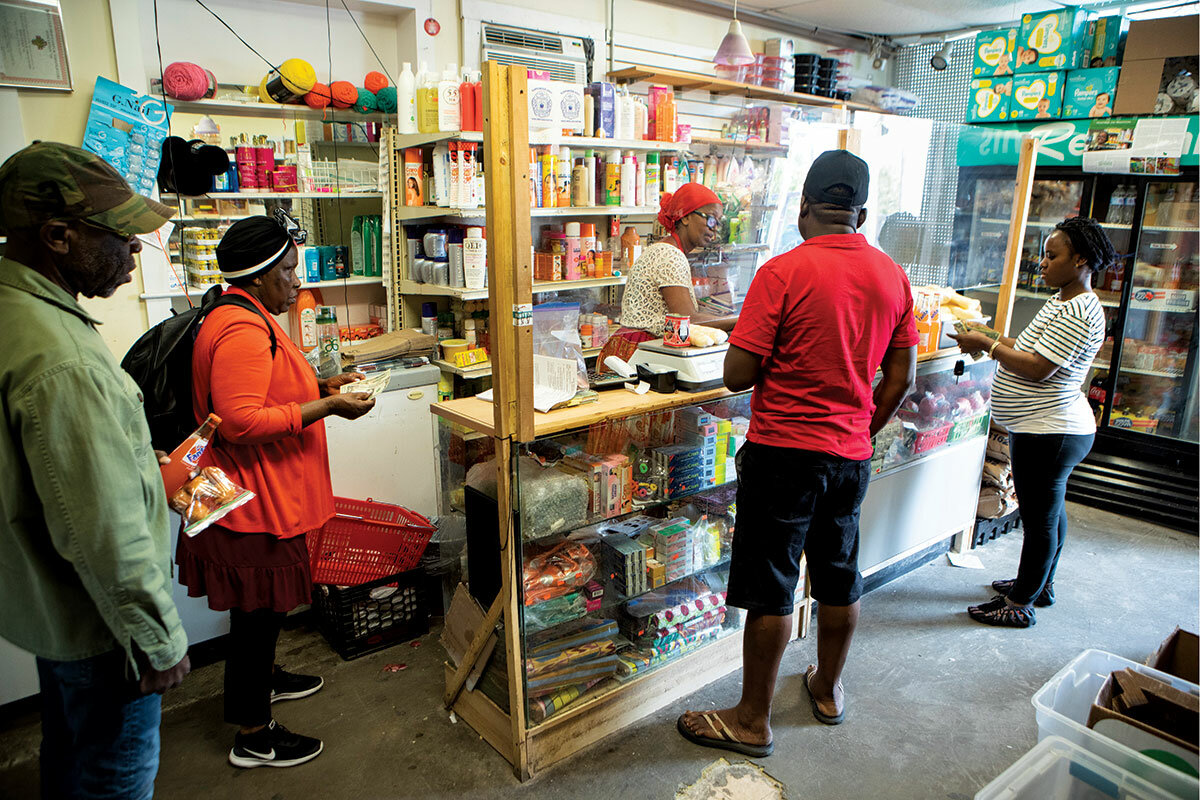
When foreign-owned spaza shops, South Africa’s township convenience stores, shut their doors after weeks of anti-immigrant protests, many township residents expected little more than a change in ownership. Instead, they found themselves paying more for everyday essentials.
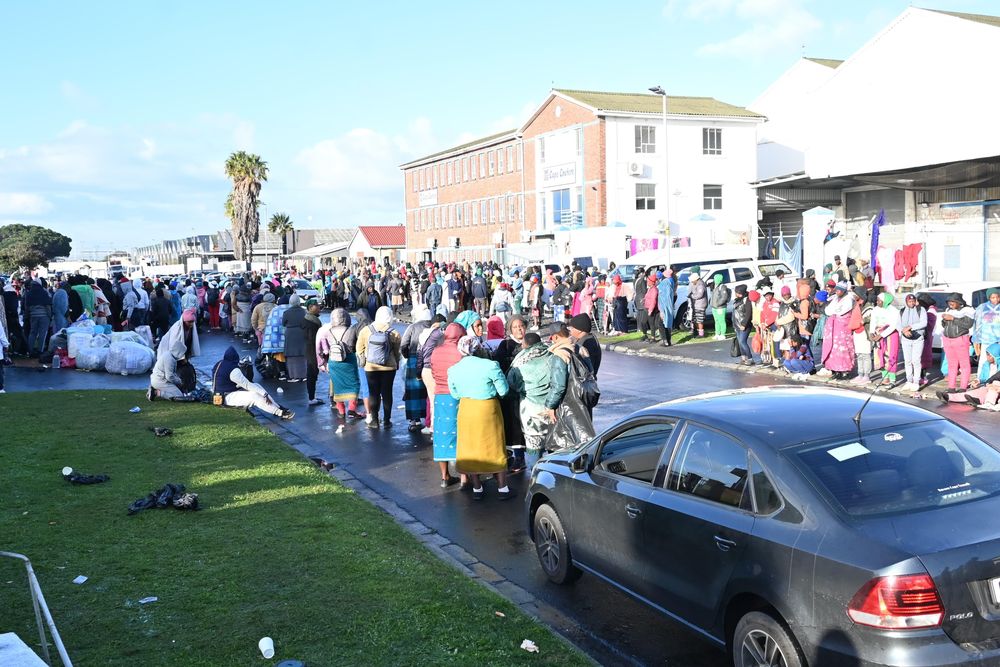
The scale of the disruption is becoming clearer. While there is no official tally of closures, the Africa Diaspora Forum (ADF), a migrant advocacy group, says hundreds of foreign-owned spaza shops have shut across KwaZulu-Natal, Gauteng and the Western Cape provinces in recent weeks.
“We don’t have a complete audit, but the number is in the hundreds,” ADF chairperson Amir Sheikh told TechCabal in an interview on Thursday. “Most of our members operate in the fast-moving consumer goods sector, selling everyday essentials like bread, sugar and other basic groceries. Those are the products where we have seen the sharpest increases.”
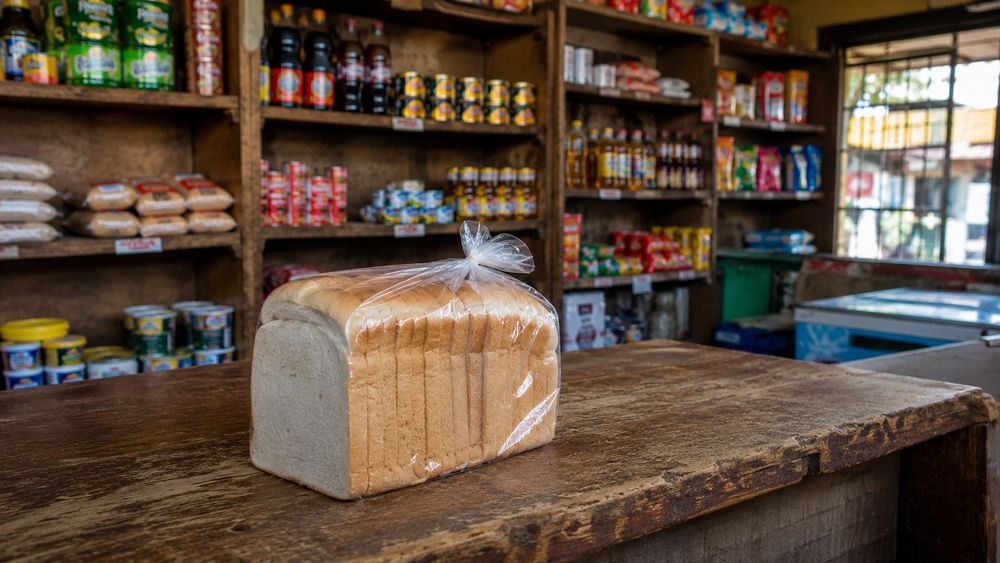
Bread, he said, has risen from about R16 ($0.95) to as much as R30 ($1.79) in some communities. “The concern from residents is becoming louder because higher prices are directly affecting household budgets,” said Sheikh.
The price increases have fuelled heated debate on social media, where videos of foreign shopkeepers leaving township businesses have gone viral. While some South Africans have welcomed the return of locally owned businesses, others question whether township consumers can afford the higher prices that have followed. The issue has also dominated radio phone-ins. East Coast Radio reported sharp divisions among listeners over whether supporting local ownership should come at the expense of affordability.