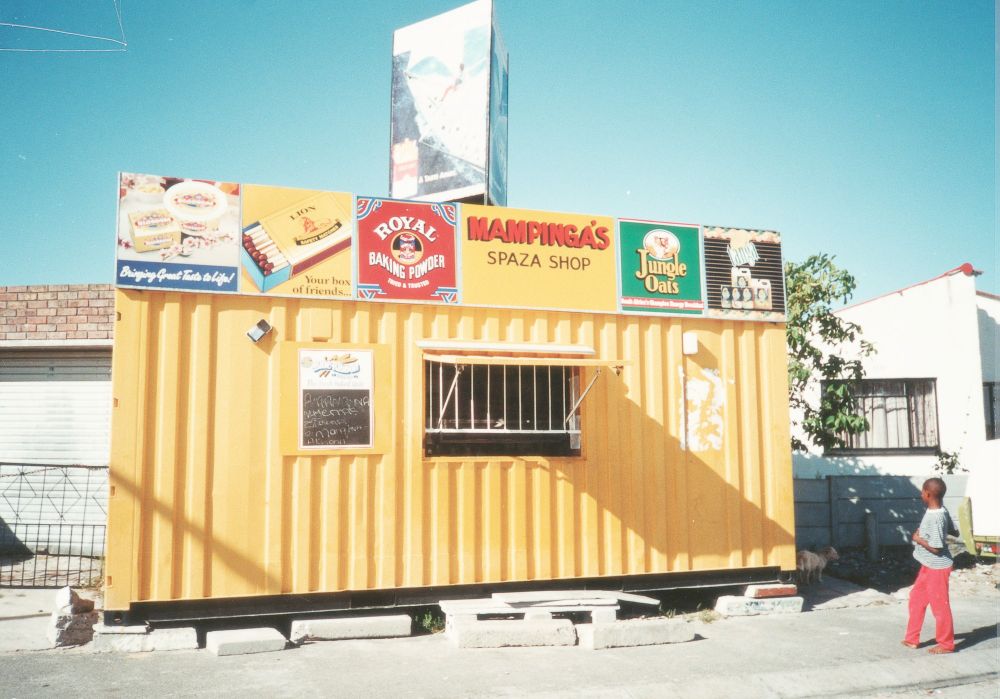
Foreign-owned spaza shops — informal convenience stores that operate from makeshift stalls, garages, or shipping containers — are a key feature of South Africa's informal economy, supporting wholesalers, landlords, and local employees.
Frustrations over unemployment, crime, and years of weak growth are driving South Africa's anti-migrant protests. But economists warn that the departure of thousands of foreign workers could end up hurting the very businesses and labour markets that anti-migrant campaigners say they are trying to protect.
Anti-migrant sentiment has surged in recent months, culminating in a nationwide march on June 30. Although the protests were largely peaceful, fears of violence have prompted thousands of African migrants to leave South Africa.
Their departure could create labour shortages in businesses that have long relied on foreign workers - from construction sites and farms to delivery services and corner shops - while also undermining the country's vast informal economy.
"Migrants typically find work in sectors where vacancies are difficult to fill, including farming, construction, hospitality, retail, transport, and the informal sector," Mpho Lenoke, a lecturer at North-West University, said.