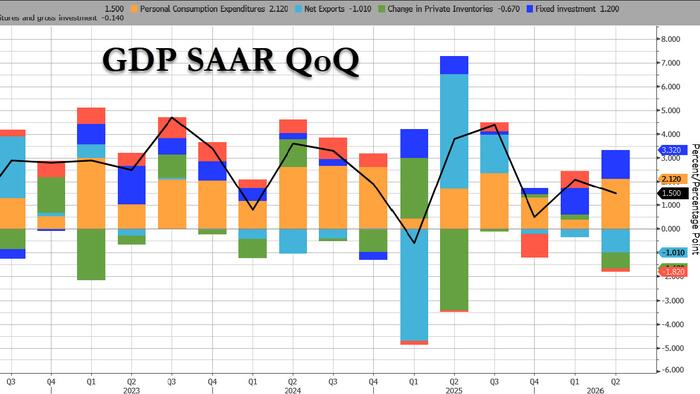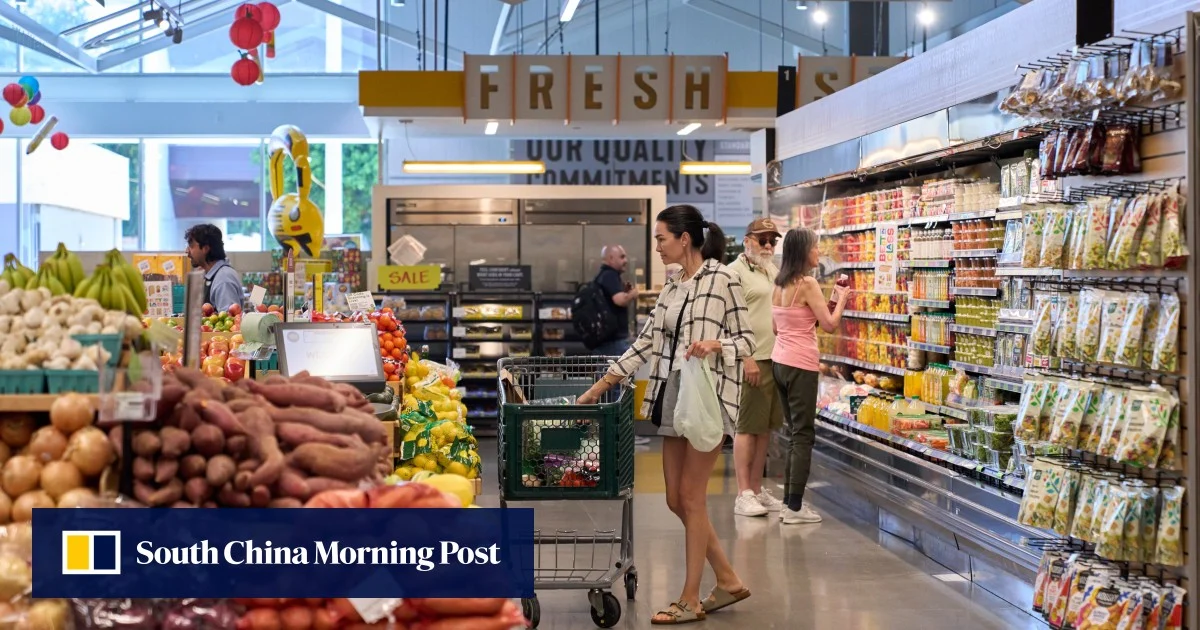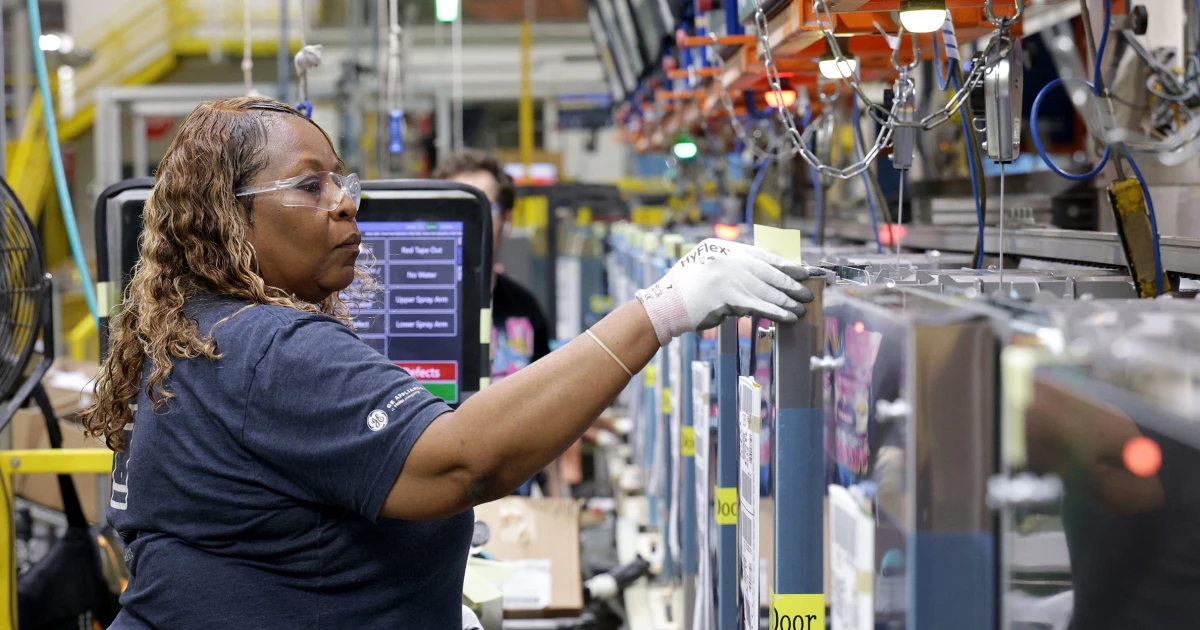
SynopsisThe US economy expanded at a slower 1.5% pace in the second quarter. Strong consumer spending and AI infrastructure investment supported overall economic activity. Imports surged, significantly weighing down the gross domestic product growth. Inflation showed signs of easing but remained above the Federal Reserve's target. The Federal Reserve kept interest rates unchanged while signaling potential future hikes.Listen to this article in summarized formatANIUS Q2 GDP misses forecasts despite strong AI investment and consumer spendingThe US economy expanded at a slower-than-expected annualised pace of 1.5% in the April-June quarter, as a widening trade deficit weighed on growth despite strong consumer spending and continued investment in artificial intelligence-related infrastructure, according to data released by the Commerce Department on Thursday.The advance estimate from the Commerce Department's Bureau of Economic Analysis showed gross domestic product (GDP) slowed from a 2.1% annualised growth rate in the first quarter.Economists polled by Reuters had expected the economy to grow at a 2.1% pace.Also Read: The US is making the most fuel since pre-covid. It’s not enough.Consumer spending, which accounts for more than two-thirds of US economic activity, accelerated sharply, rising at a 3.2% annualised rate after growing just 0.5% in the January-March quarter, offering support to overall economic activity.Reuters reported that the resilience in consumer spending was supported by larger tax refunds this year, higher spending by wealthier households benefiting from gains in asset prices, and spending related to the recently concluded FIFA World Cup as well as the US midterm election campaign.Business investment also remained strong. According to AP, business investment excluding housing increased at an 8.4% annual pace, reflecting continued spending on artificial intelligence infrastructure, although it moderated from the 10.6% growth recorded in the previous quarter.Also Read: US trade deficit narrows, exports hit five-month low Imports, however, acted as a major drag on growth. It surged 11.5% during the quarter, driven partly by shipments of computer chips and other products supporting AI investment. Since imports are deducted while calculating GDP, they shaved 1.5 percentage points off second-quarter growth.Reuters noted that economists revised down their GDP estimates after June data showed only a moderate contraction in the goods trade deficit and unchanged retail inventories, with some lowering their forecasts to as little as 1.5%.Inflation showed signs of easing but remained above the Federal Reserve's target. The personal consumption expenditures (PCE) price index — the Fed's preferred inflation gauge — rose 3.7% in June from a year earlier, easing from 4.1% in May. Core PCE inflation, which excludes food and energy, stood at 3.3%, compared with 3.4% in May.The Federal Reserve on Wednesday kept its benchmark interest rate unchanged at 3.50%-3.75% for the fifth consecutive meeting. Reuters reported that three members of the central bank's policy-setting committee dissented and "preferred" a quarter-percentage-point hike.In its policy statement, the Fed said economic activity was "expanding at a solid pace despite elevated uncertainty that owes, in part, to the conflict in the Middle East."Reuters reported that economists expect the Fed to resume raising interest rates as early as September to contain inflation, while warning that the prolonged US-Iran conflict could weigh on demand and economic growth later this year as higher fuel prices pressure household budgets.US economy has remained more resilient than expected despite the Iran conflict and elevated energy prices, supported by an improving labour market, AP said in a report. Employers have added an average of 92,000 jobs a month this year, compared with fewer than 10,000 a month in 2025.However, households continue to face pressure from elevated prices. Reuters reported that with wages barely keeping pace with inflation, many consumers have relied on savings to sustain spending, a trend economists cautioned may not be sustainable over the longer term.(With inputs from Agencies)Read More News on
US economy expands 1.5% in Q2, misses forecasts despite spending rebound
The US economy expanded at a slower 1.5% pace in the second quarter. Strong consumer spending and AI infrastructure investment supported overall economic activity. Imports surged, significantly weighing down the gross domestic product growth. Inflation showed signs of easing but remained above the Federal Reserve's target. The Federal Reserve kept interest rates unchanged while signaling potential future hikes.
620 words~3 min read