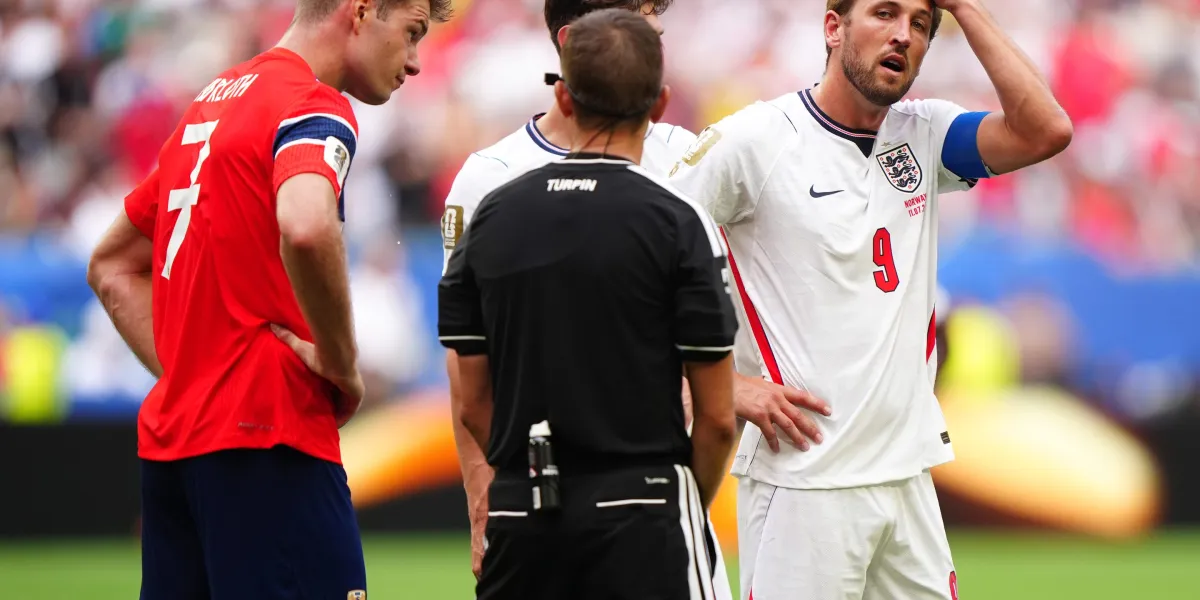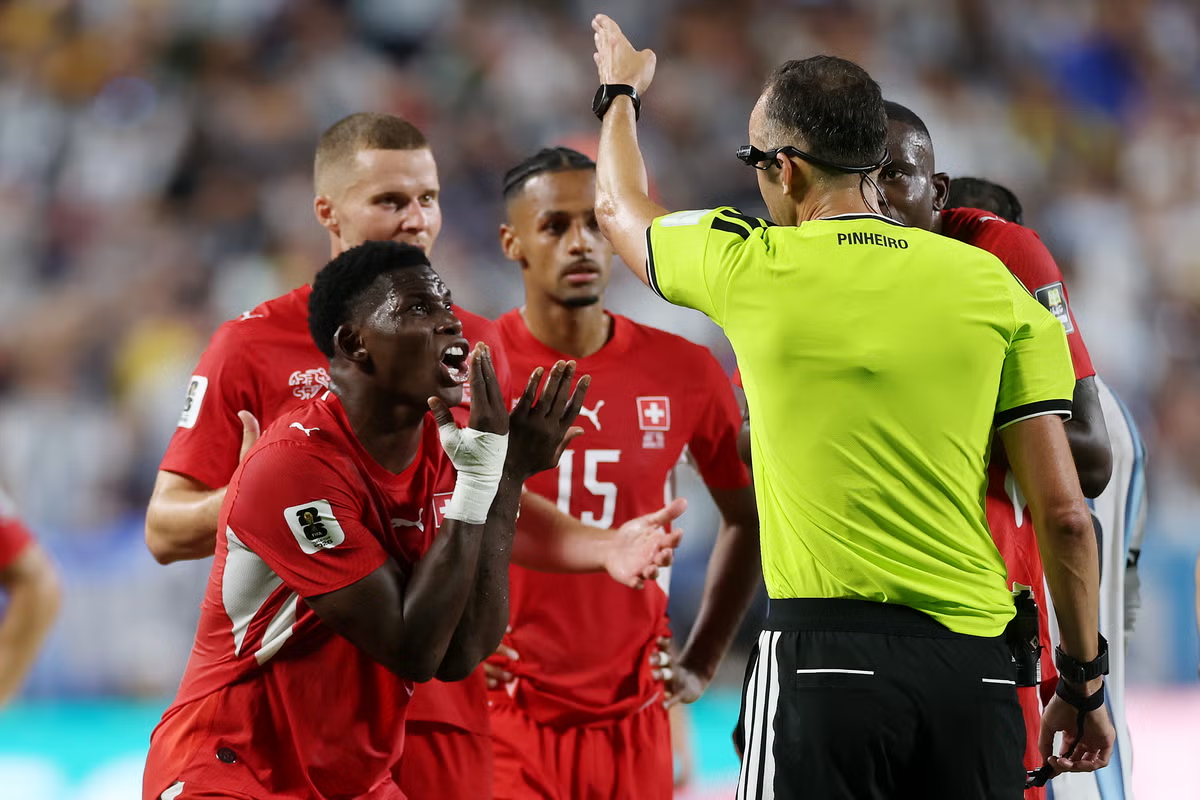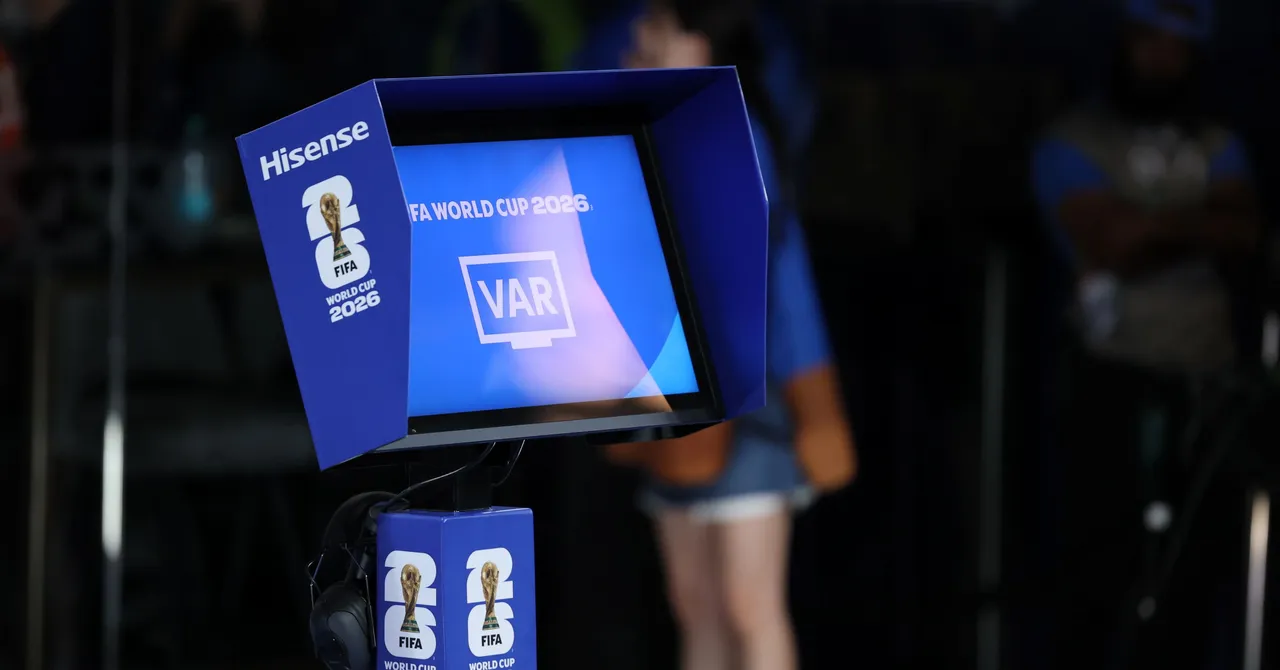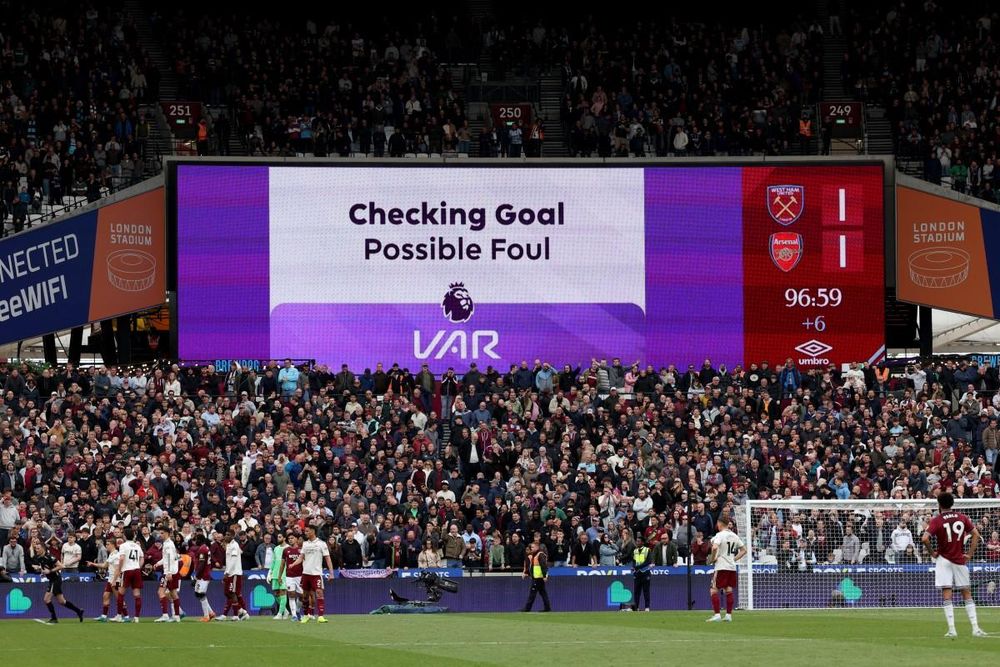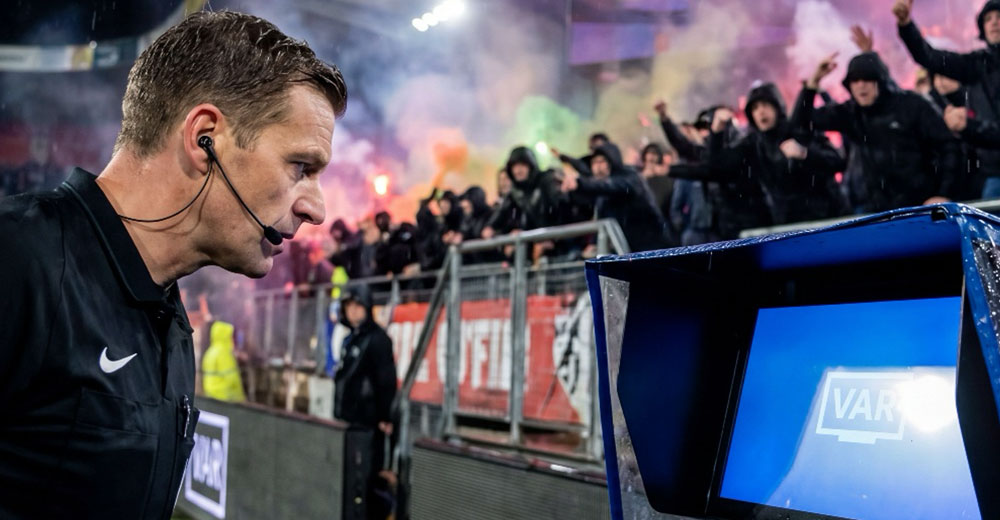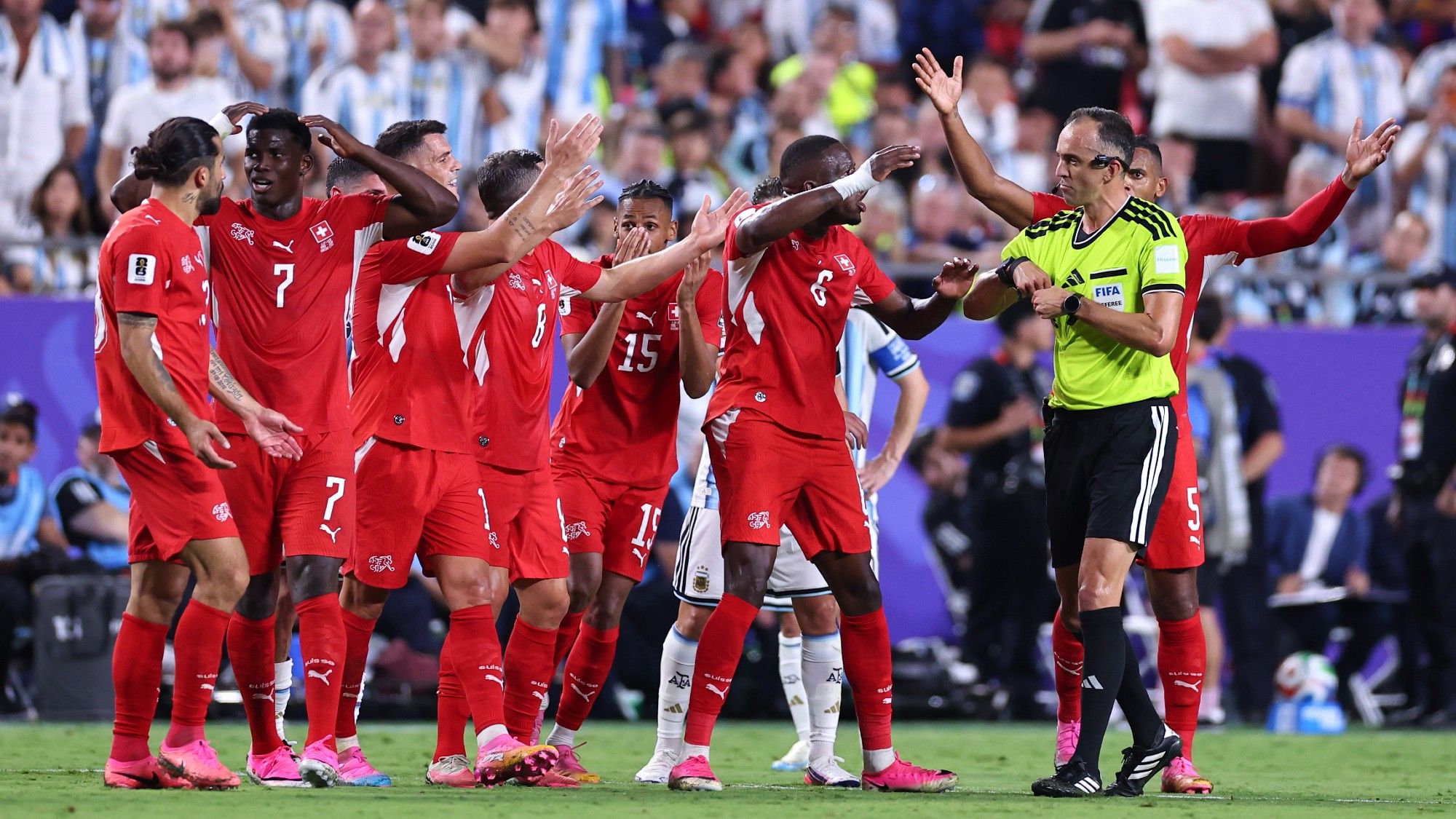
If you watched the 2026 FIFA World Cup, you probably saw the now-familiar ritual: a goal, a celebration, then a referee touching an earpiece while fans and players wait for the verdict from the video assistant referee, or VAR.
That ritual is not unique to soccer. Baseball has a replay center in New York, and other sports have also moved once-human calls into review systems.
The hope is simple: Use better technology to yield better calls.
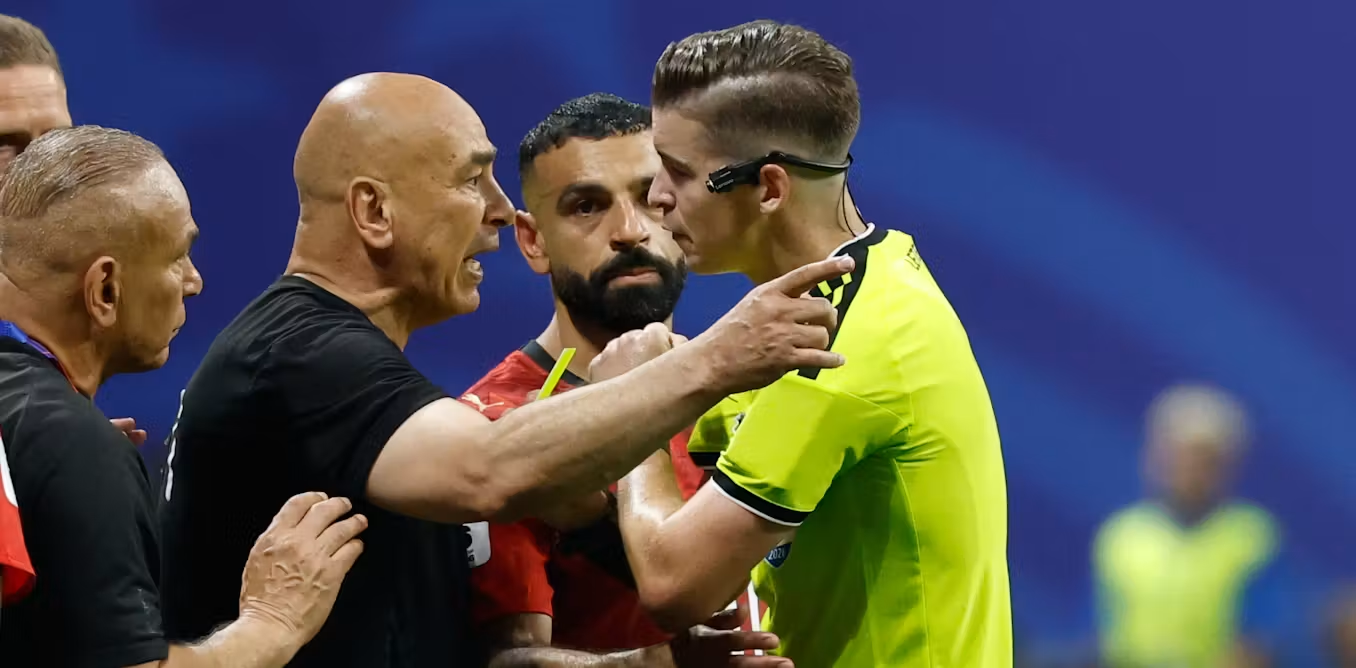
Soccer authorities expected more cameras, replay angles and tracking data to mitigate referee error, limit subjectivity and strengthen perceptions of fairness. But VAR has created new arguments among players, coaches, fans and commentators: Should VAR have intervened? Was the same standard for when to intervene applied consistently? Did the process itself feel fair?
Watching the World Cup as a decision-making researcher, I could not help but see VAR as more than a refereeing tool. It looked like a case study in technology-assisted decision-making, with parallels to the growing use of AI in organizational decision-making.