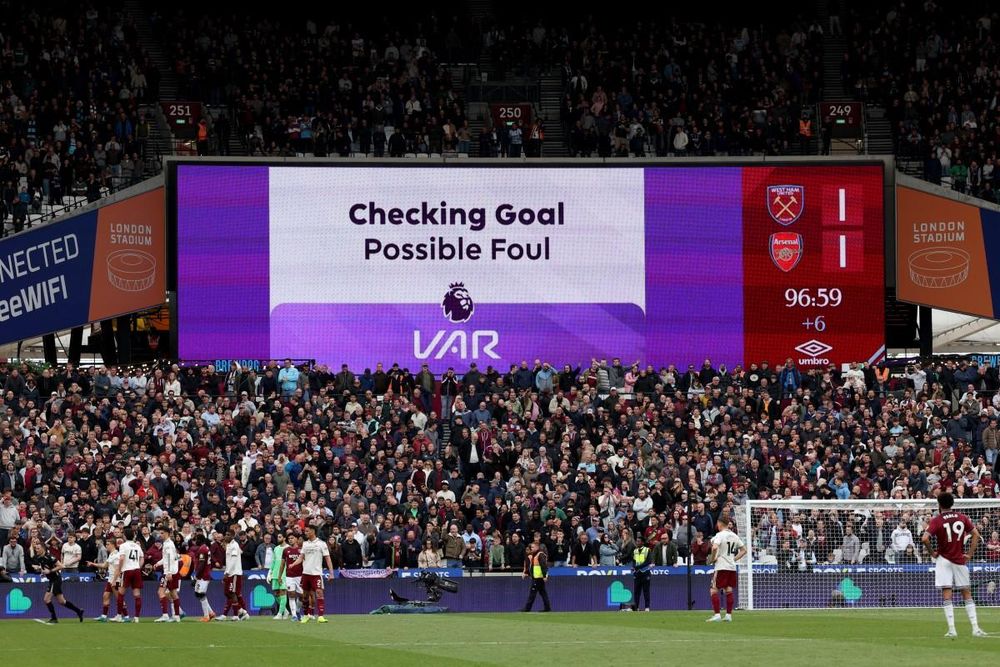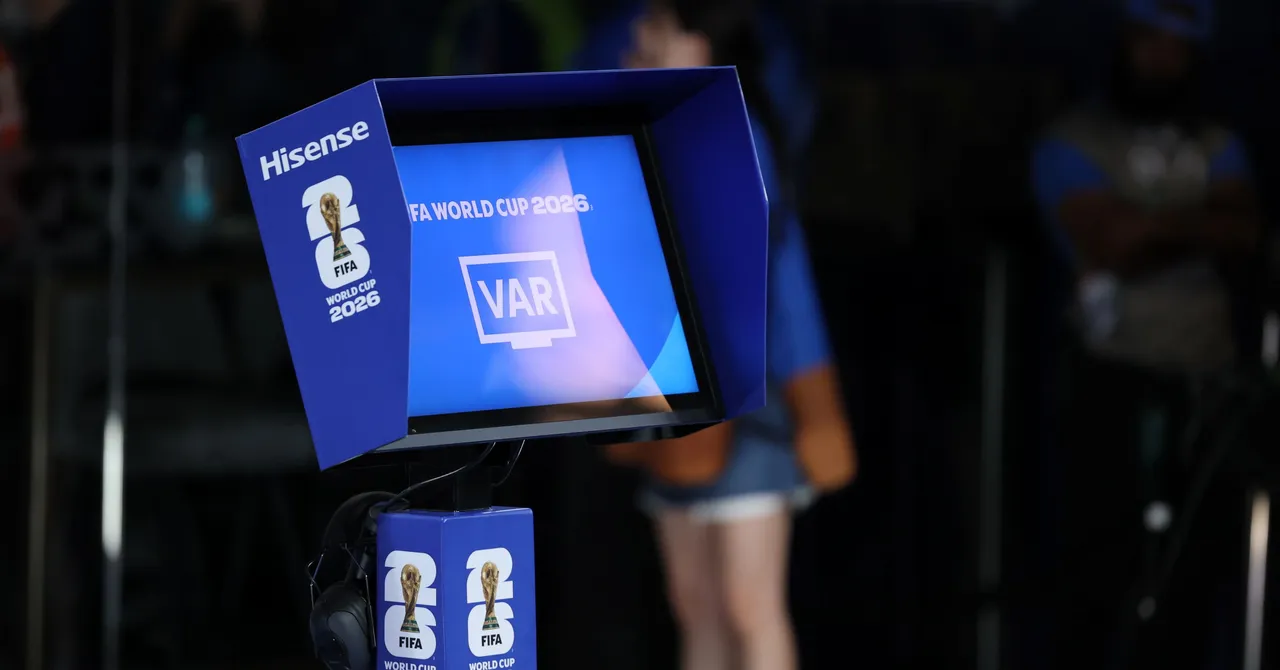
If you watch how people react to new technology, you quickly realize that the most difficult component isn't the silicon, the software, or the network infrastructure. It's the human using it. We've seen this phenomenon play out on the global stage with the video assistant referee (VAR) disaster at the FIFA World Cup 2026.
What should have been a triumph of high-speed cameras, spatial computing, and precise engineering devolved into a credibility-destroying spectacle for FIFA. But if you look closely as an IT professional, a CIO, or a tech analyst, the failure of VAR isn’t a hardware or software problem.
The offside detection technology is doing exactly what it was designed to do: measuring offsides down to the millimeter and tracking the ball with mathematical precision. The failure lies entirely in human deployment, mission creep, and the catastrophic mismanagement of human perception.
This is the exact same dynamic that destroys enterprise artificial intelligence deployments. When a multimillion-dollar AI rollout fails, executives are quick to blame the algorithm. But nine times out of 10, the underlying technology performed as intended; people just screwed up the implementation and failed to manage user perceptions.