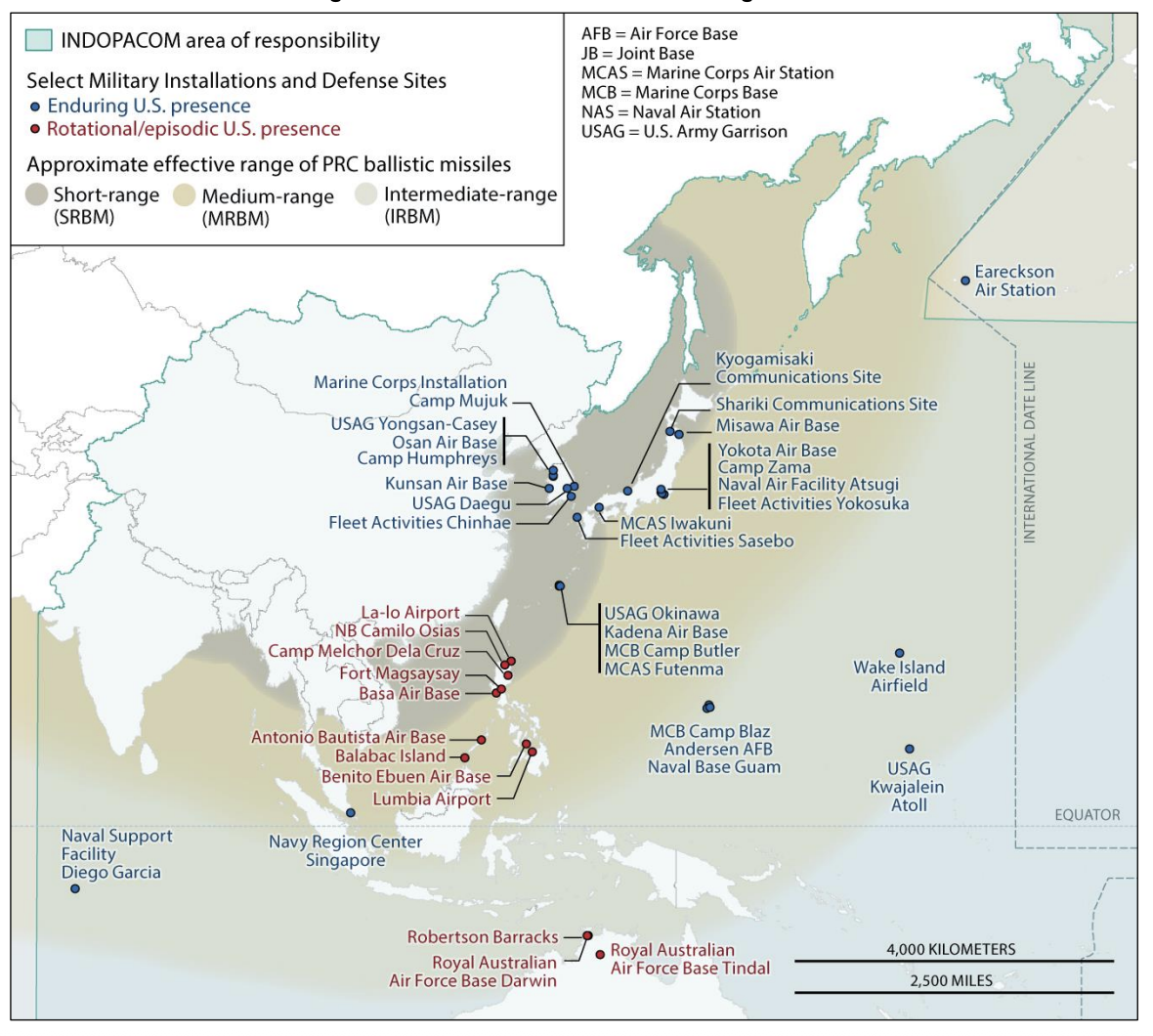
The defining logistics problem in the Pacific is measured in thousands of miles. It’s a theater where the distance between two friendly ports can rival the width of a continent, and where keeping forces supplied may depend on whether vessels, data, and smart decisions can move fast enough across thousands of miles of contested water.
But open water is only part of the challenge, which is compounded by compressed timelines, disrupted communications, and the possibility that traditional logistics ships, infrastructure, and supply routes could themselves become targets.
Steve Boraz, vice president for maritime growth and strategy, Leidos
“The commands and people who’ve operated there talk about four tyrannies: distance, water, time, and scale,” said Steve Boraz, Leidos‘ vice president for maritime growth and strategy, and former assistant program manager for maritime domain awareness with U.S. Navy. “And those four tyrannies are not anything that you can necessarily overcome. You have to figure out ways to mitigate them.”
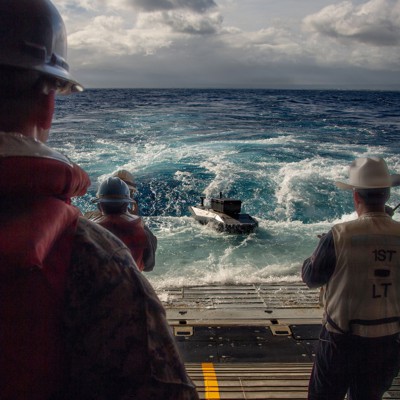
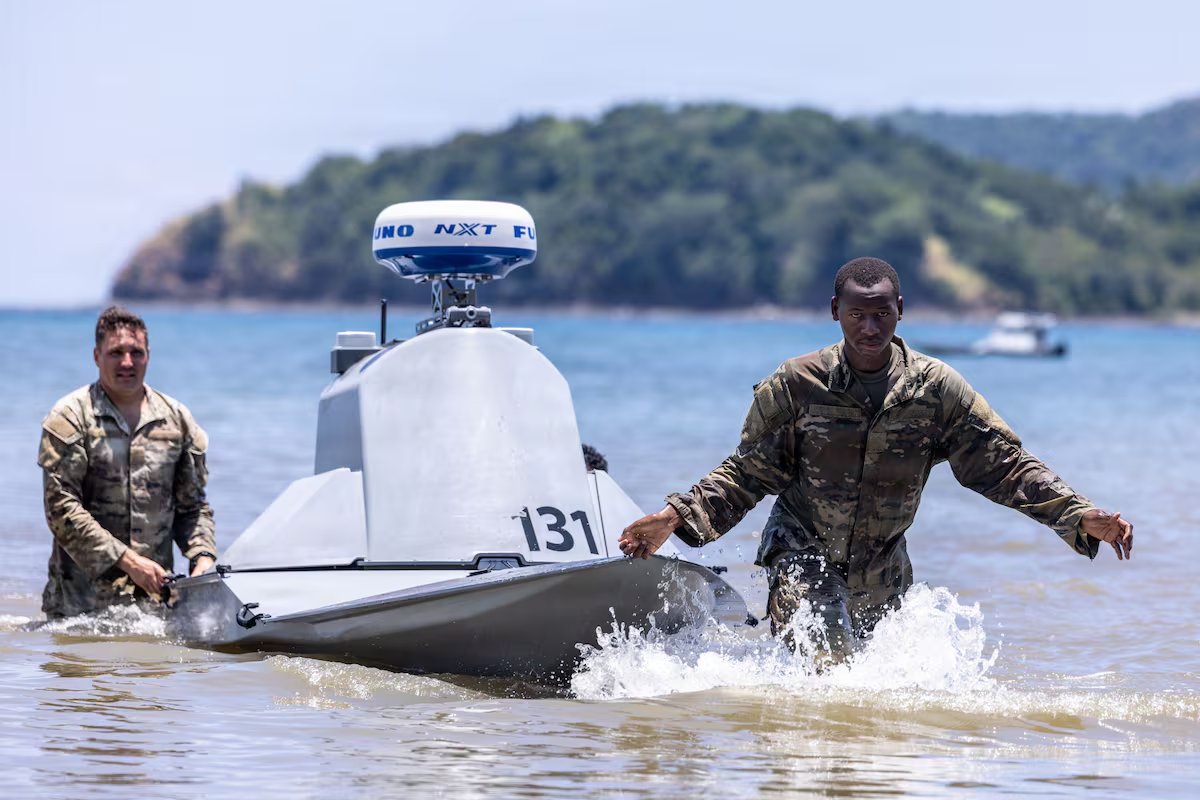
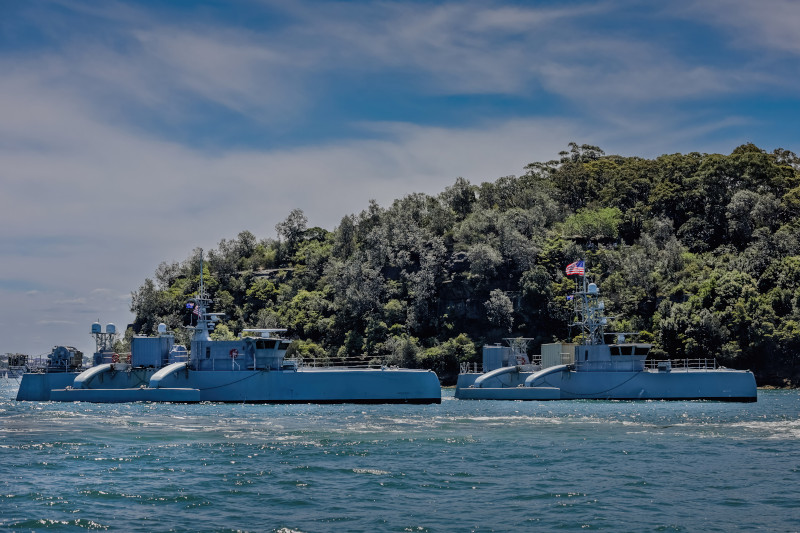
This is the goal behind the Indo-Pacific Logistics and Sustainment Services (ILS2) program for US Pacific Command (PACOM) and Special Operations Command Pacific (SOCPAC). The approach is designed not simply to move supplies across the Pacific, but to give commanders more options when conventional logistics networks are disrupted or unavailable. This includes a combination of prepositioned resources, regional partnerships, artificial intelligence for predictive analytics and courses of action (COA) generation, resilient communications, and autonomous vessels capable of delivering supplies without putting the Joint Force in harm’s way.