As planners look for ways to keep fuel flowing across the Indo-Pacific battlespace, the concern is whether large tanker aircraft operating from a handful of vulnerable bases can survive the opening days of a conflict.
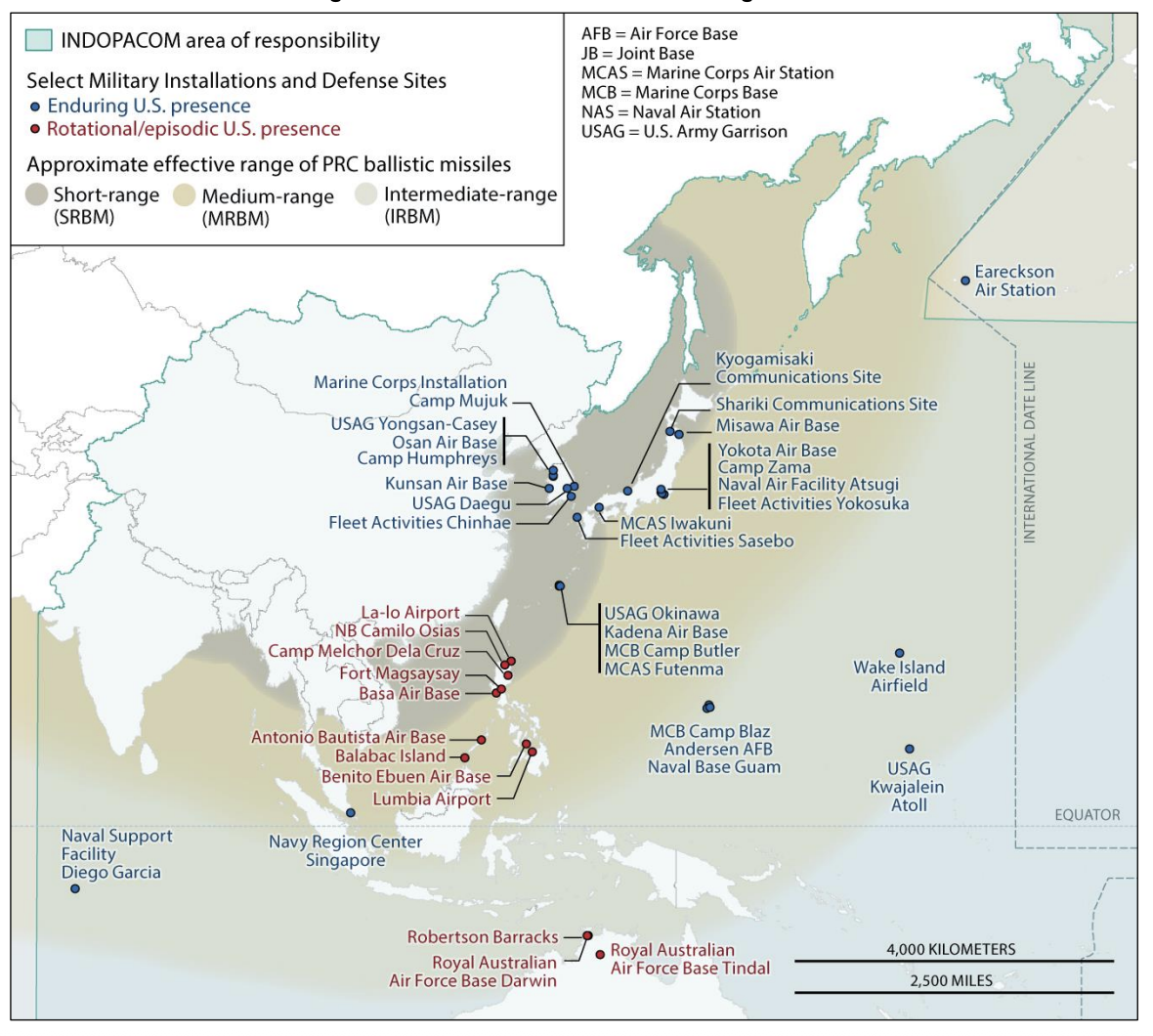
The worry is not merely theoretical. A 2023 Congressional Research Service report examining US military operations in the Indo-Pacific highlighted the challenge of sustaining air operations across a vast ocean theater where key bases and airfields would undoubtedly come under missile attack at the beginning of a battle. The report pointed to the importance of dispersing forces across a wider network of airfields to complicate enemy targeting and preserve operational flexibility. Similar conclusions have emerged repeatedly from Pentagon wargames and analyses, which have highlighted the risks associated with concentrating high-value aircraft at a small number of major installations.
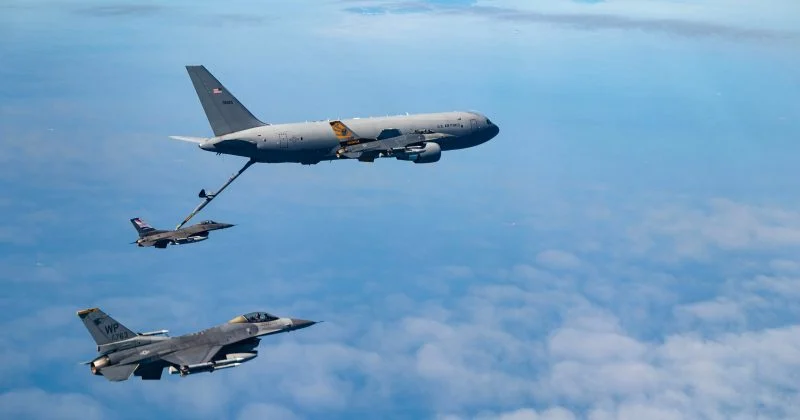
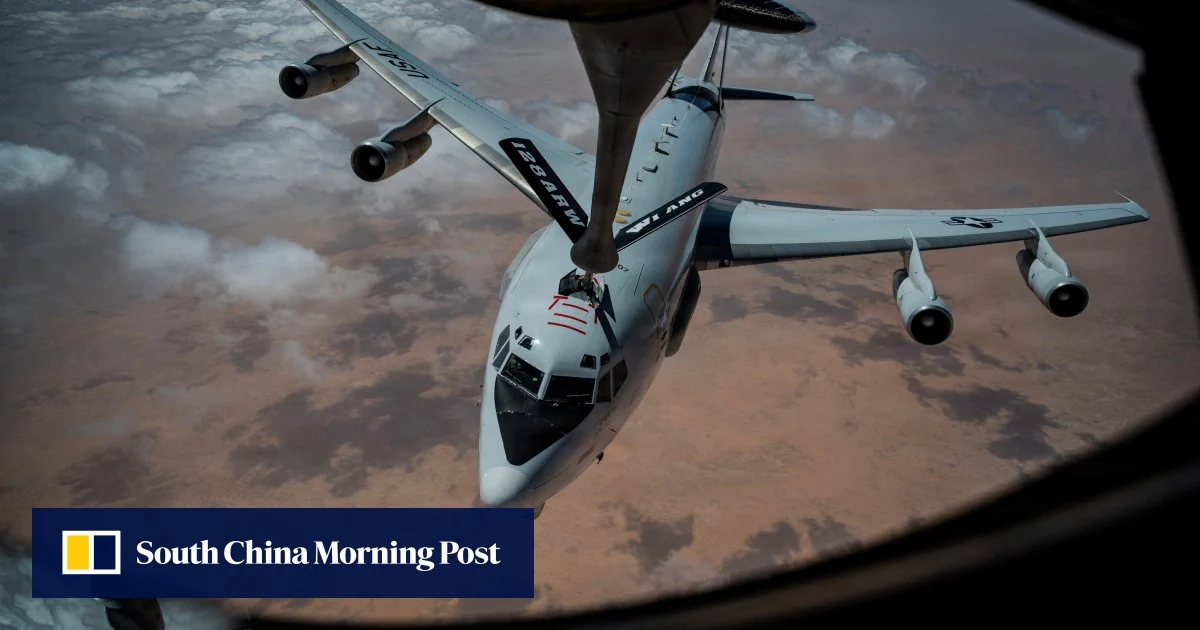
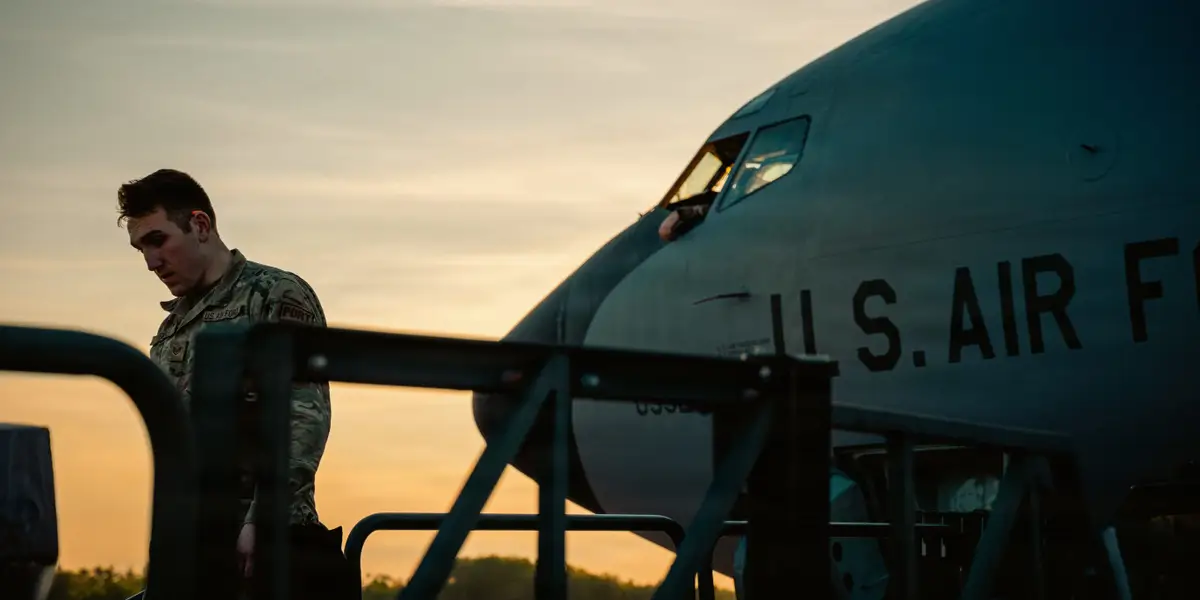
For tankers, that challenge may be especially acute. The Air Force’s refueling fleet consists primarily of hundreds of KC-135 Stratotankers and KC-46 Pegasus aircraft. Both are large platforms that generally require long runways and substantial support infrastructure, limiting the number of locations from which they can operate. Should major hubs such as Andersen Air Force Base on Guam and/or Kadena Air Base on Okinawa in Japan be damaged or rendered temporarily unusable, tanker operations could be pushed hundreds or even thousands of miles farther from the fight, reducing efficiency and increasing operational risk.