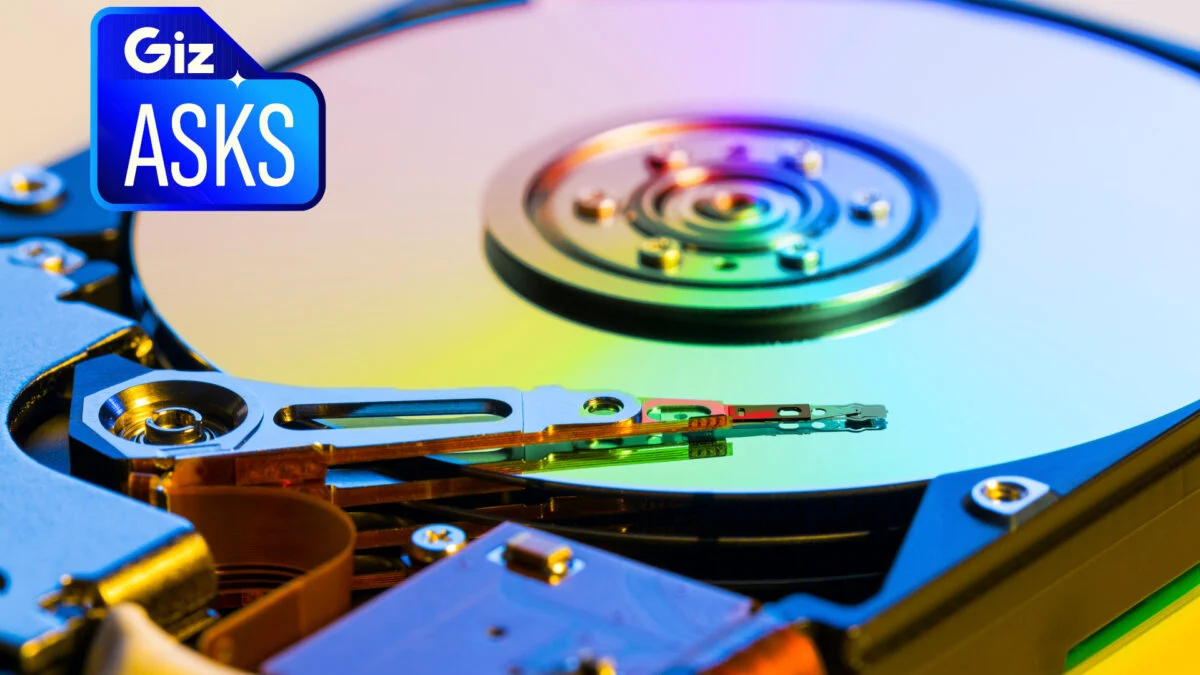
More and more, our data—private photos, work documents, confidential information, and so on—are migrating to digital clouds and platforms. In a more recent and perhaps controversial turn of events, some gaming firms are pushing for digital downloads in lieu of physical CDs. One recurring argument against digital options has been that it’s not as “permanent” as their physical counterparts. After all, aren’t physical storage systems safer from the whims of a tech firm wiping your cloud storage—or, even worse, forcing you to choose a subscription plan? But CDs break. Books burn. USBs go defunct. Personally, I—a stickler for physical media—have a very bad track record of breaking my game chips and scratching my movie discs. There are real challenges in dealing with physical storage systems, too, and big players like Microsoft are investing significant resources to overcome the inevitable decay caused by, well, the passage of time.
So, for this Giz Asks, we asked experts in computer science, cybersecurity, and archival research to consider the idea of “permanence,” specifically in the context of how we record, track, and store information. That is, is there such a thing as permanent data storage? What are the main issues with data storage mediums that exist today? Most importantly, can we do something about it—if there’s something to be done at all?