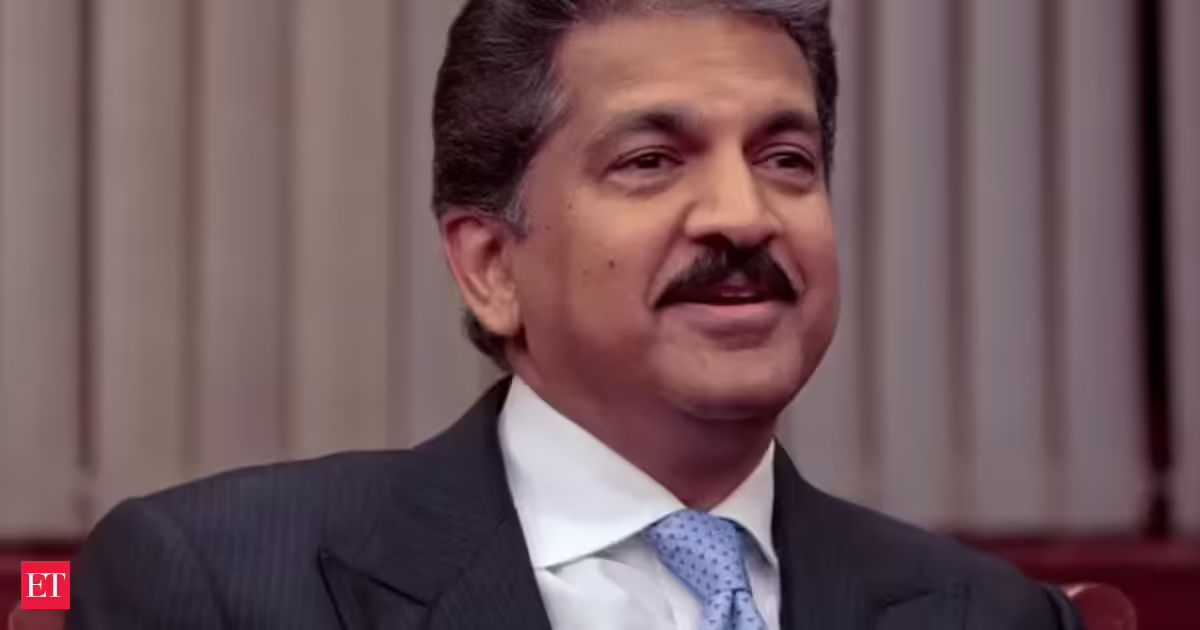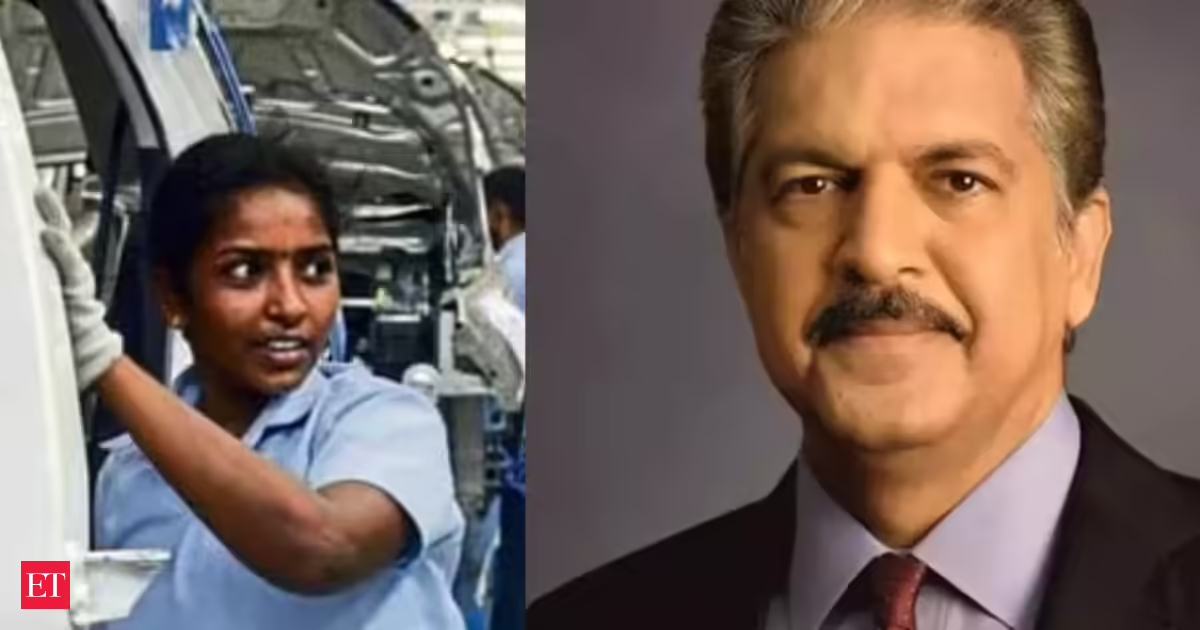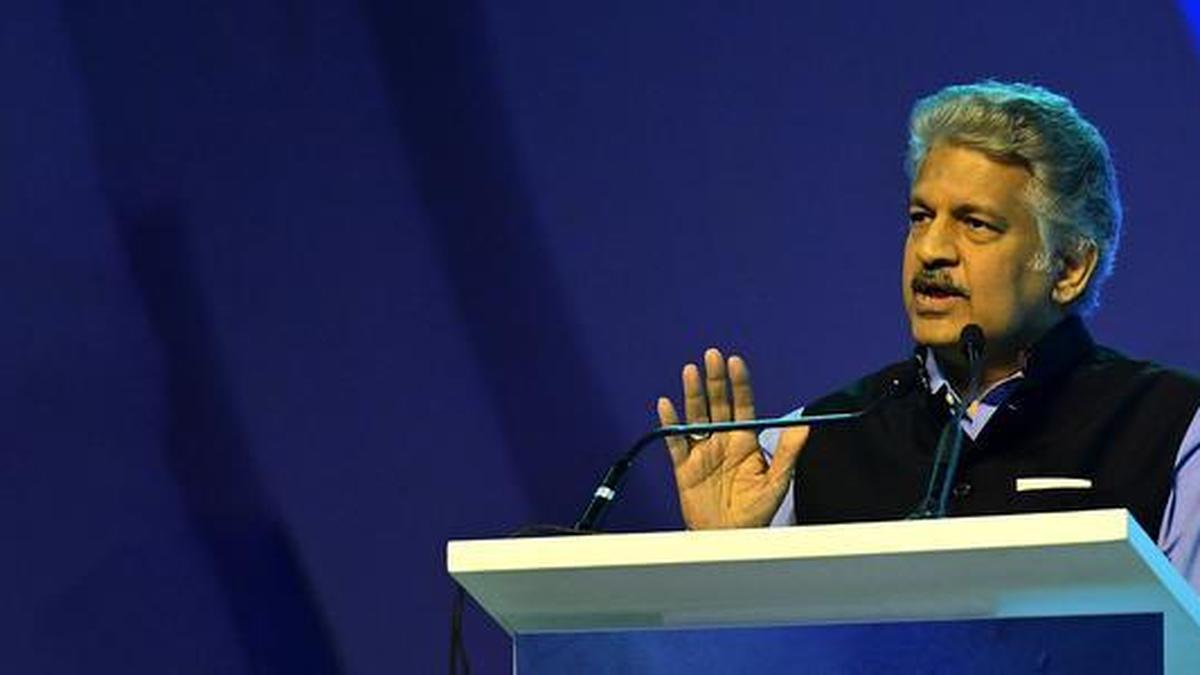
Anand Mahindra, Chairman, Mahindra & Mahindra
| Photo Credit:
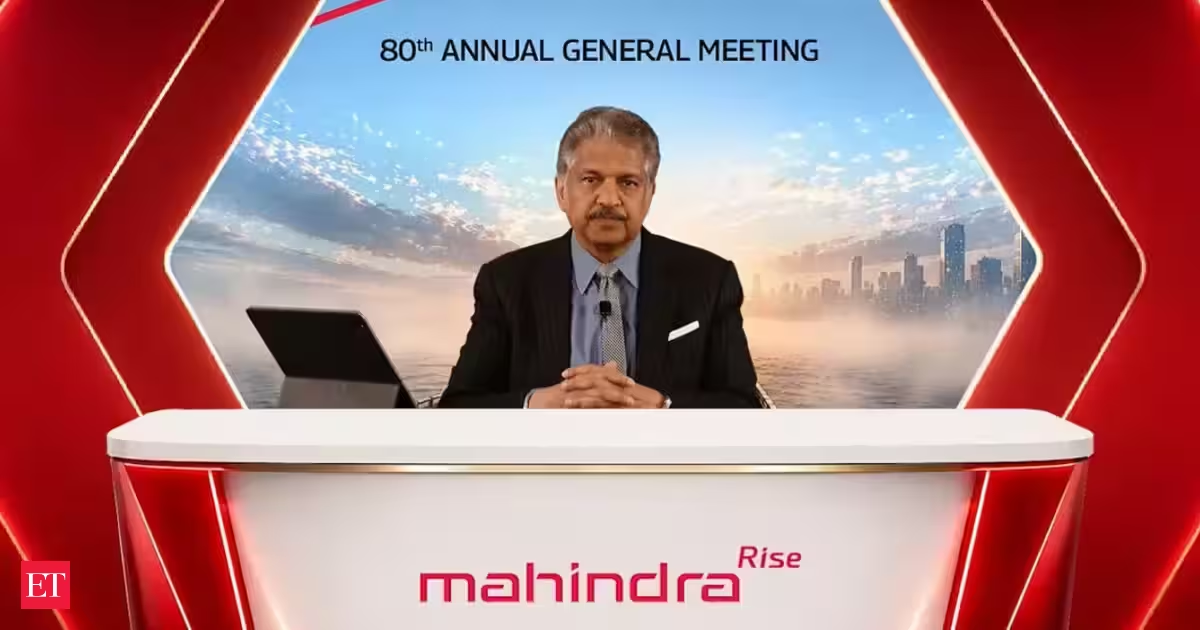
India should position itself as a global “connector economy” as the world moves away from traditional globalisation towards selective partnerships and regional supply chains, Mahindra & Mahindra, Chairman, Anand Mahindra said on Thursday, adding that the group is backing that vision with deeper investments in innovation and manufacturing, including a proposed ₹15,000-crore investment in Nagpur over the next decade and a sharp increase in its patent portfolio.Addressing shareholders at the company’s 80th Annual General Meeting, Mahindra said countries that combine manufacturing scale, political stability, talent and trust would emerge as preferred partners as businesses diversify supply chains and reduce geopolitical risks. India, he said, is uniquely placed to benefit from that transition.“The next global order may not be built around very rigid blocks. It may be built around multiple coalitions, around countries that can connect rather than divide. And that creates a major opportunity for India to become what I call a connector economy,” Mahindra said.Multi-aligned IndiaMahindra said India’s role was evolving beyond its traditional policy of non-alignment to what he termed a “multi-aligned” approach, enabling it to deepen economic and strategic partnerships across regions.“It’s not about being non-aligned, but about being multi-aligned, about being a trusted partner across the world,” he said, adding that the challenge was no longer whether India would rise, but how effectively it could convert the current geopolitical moment into a lasting competitive advantage.Manufacturing opportunityAs evidence of India’s growing role in global manufacturing, Mahindra pointed to the increasing localisation of global production, noting that around one-fourth of all iPhones are now manufactured in India. That, he said, reflected the country’s growing credibility as a manufacturing and investment destination in an uncertain world.Mahindra briefly referred to the “Samudra Manthan” analogy from last year’s shareholder letter, saying the churn in the global economy had become more structural than cyclical. But he argued that the environment favoured countries and companies prepared to adapt quickly and build long-term capabilities rather than wait for uncertainty to fade.Published on July 30, 2026