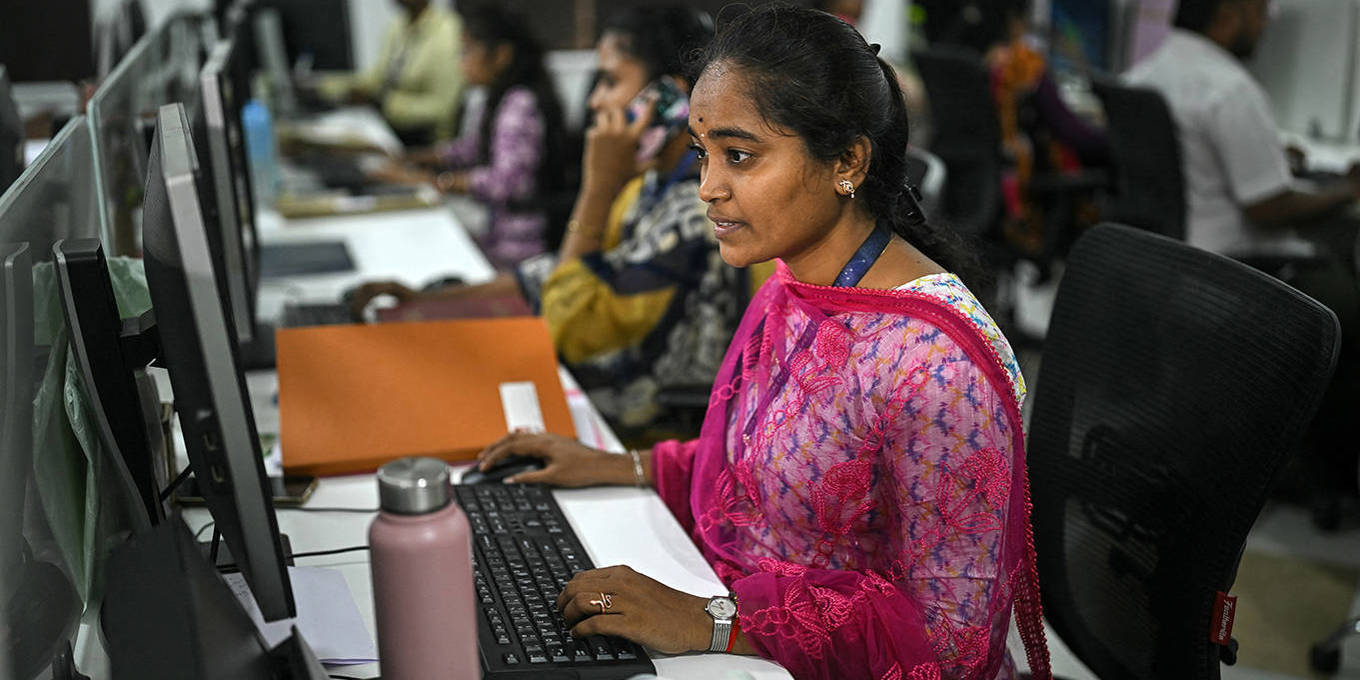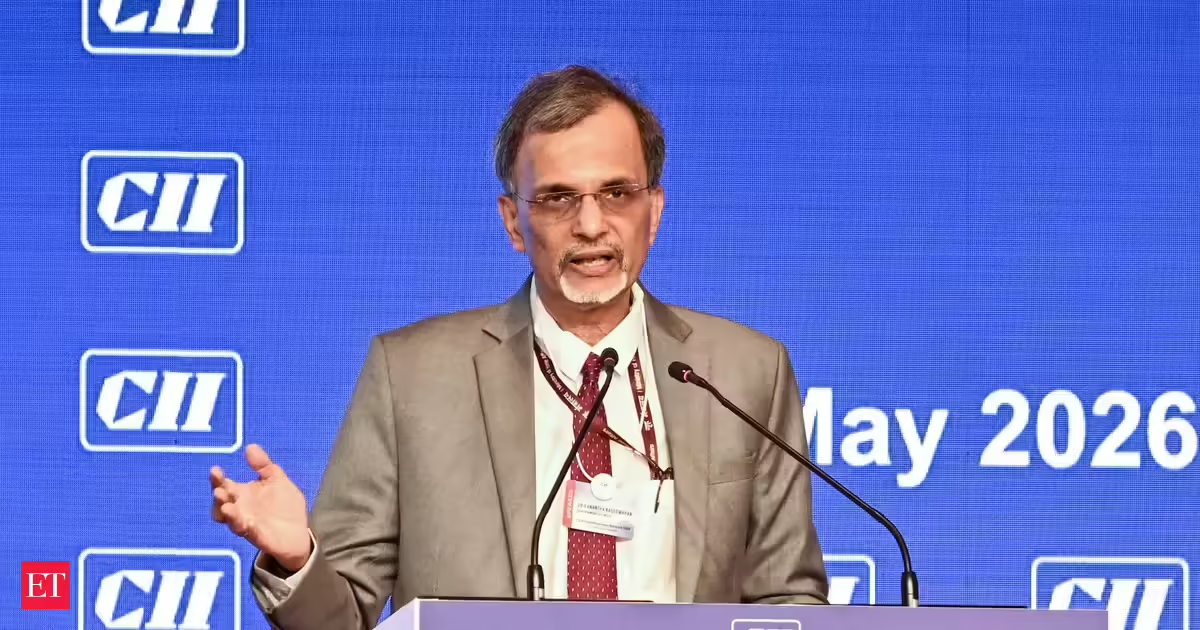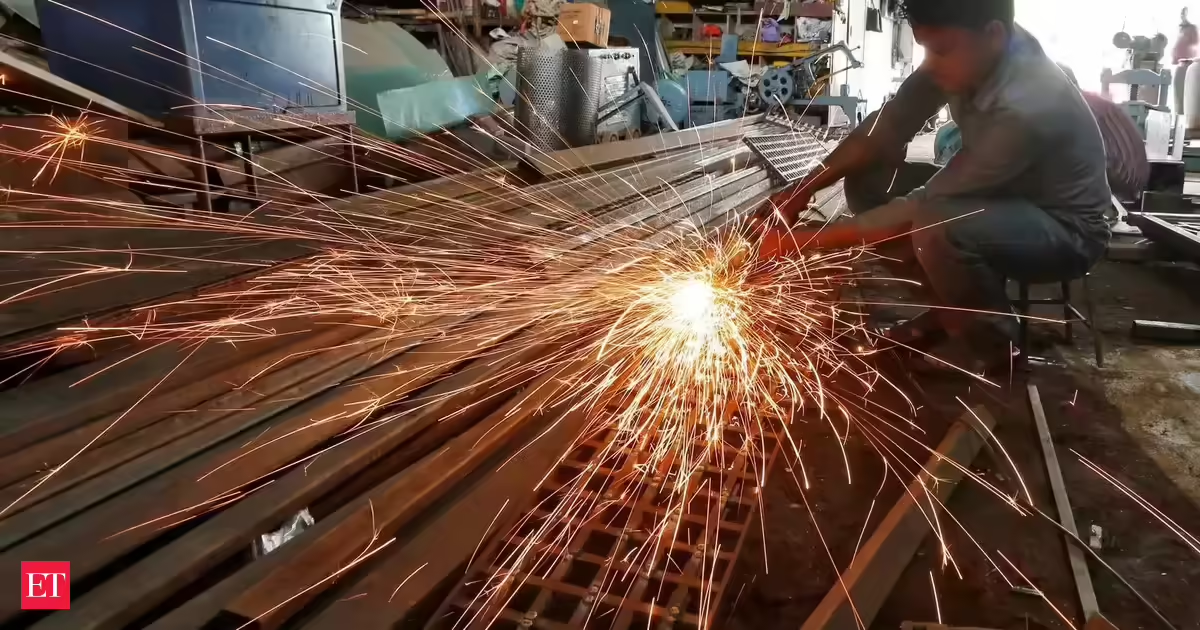
Even in this global landscape of heightened volatility and uncertainty, strategic shifts are creating unique opportunities. India's 'China Plus One' gains have been uneven. But the smartphone success story demonstrates what's achievable when policy, infrastructure and investment align. Electronics leads. But integration can deepen across sectors like auto components, automobiles, pharma and engineering goods.India is well-positioned to capture a larger share of low- and mid-tech manufacturing as supply chains diversify. To achieve this, it requires a pragmatic stance on China. Proliferation of FTAs should also open an even wider market for exporters.A fundamental rewiring is underway, where FDI flows are shifting from efficiency-seeking to security-seeking.According to fDi Markets, strategic sectors now command 73% of global FDI, with three-quarters of this concentrated in the US-aligned bloc. This reflects governments' determination to secure critical supply chains within trusted geopolitical boundaries. For India, this makes strategic neutrality essential - maintaining productive ties with both the US (large consumer market and dominant driver of AI capex) and China (supplier of intermediate goods and critical minerals).It must also establish a presence in future-shaping sectors like data centres, semiconductors, EVs and advanced manufacturing. India ranks among Asia's top four destinations in FDI attractiveness alongside Singapore, Vietnam and Malaysia. So, conditions are in place. In a world where supply chains are weaponised, self-reliance in strategic sectors will ensure resilience while creating economic opportunities across three critical domains: Defence: India's defence exports grew 19x in FY16-FY26. As defence spending moves toward 2.5-3.0% of GDP and 75% of capex is reserved for domestic firms, multiplier effects and tech spillovers will increase, supporting further export growth to the 'global south'. Energy security: Aggressive diversification will create opportunities in renewables, nuclear, smart grids and battery storage. India's cost advantage also positions it as a key exporter of solar cells and panels. Critical minerals: Strategy in critical minerals includes building domestic processing capacity, forging new global partnerships, advancing recycling and increased stockpiling. While China is likely to maintain near-term dominance, India's focus on supply security is important for EVs, RE and defence.AI presents India's most complex challenge. Currently, disruption dominates, particularly for IT and BPO sectors that face revenue deflation as AI-driven productivity gains are passed onto customers. Yet, previous tech cycles suggest this disruption follows a 'V-shaped' pattern - initial service value deflation is compensated by volume increases as tech intensity rises across enterprises. Mainframe-to-cloud transitions all followed this arc. So, as AI adoption gains pace globally, demand for system integrators such as Indian IT service companies should increase.The data centre opportunity is also substantial and immediate. Installed capacity is likely to expand from about 1.5 GW in 2025 to 7 GW by 2030, driven by AI workloads, cloud adoption and data localisation. By focusing on practical AI deployment across sectors, India can shape AI benefits at scale and establish itself as a global leader in adoption and application, even without leading in AI production.Higher global interest rates are driving capital flow volatility and BoP shocks. Geopolitical risks continue to generate economic shocks. Most critically, China's manufacturing dominance poses competitive threats to India's manufacturing sector. Successfully navigating these shifts requires bold, coordinated policymaking across 3 imperatives:Strategic neutrality, domestic priority: India must balance US and China relationships to capture gains from both trade and investment realignments, while boosting domestic production through higher local value-added requirements.Robust buffers: Create fiscal space for shocks, accumulate higher forex reserves to manage volatile capital flows, and expand strategic energy and mineral stockpiles. Stronger fundamentals will help keep risk premia low and attract stable investment.Targeted industrial policy: Capture opportunities in AI, data centres, semiconductors, defence and energy infrastructure. Facilitate AI adoption, while managing workforce transitions through comprehensive reskilling programmes.International cooperation: Deepen partnerships through joint energy reserves, defence collaboration, critical mineral agreements and tech alliances, recognising that no single nation can navigate these challenges alone.Multipolar transition isn't coming, it's here. Competition is immense, and the window won't remain open indefinitely. India must seize the moment.The writer is chief economist (India and Asia ex-Japan), Nomura(Disclaimer: The opinions expressed in this column are that of the writer. The facts and opinions expressed here do not reflect the views of www.economictimes.com.)
How India can win in a rewired global economy - The Economic Times
India is poised to gain from global supply chain shifts. Strategic neutrality and domestic focus are key. The nation must build robust buffers and implement targeted industrial policies. International cooperation is vital. India can lead in AI adoption and data centres. Seizing this moment will create significant economic opportunities.
689 words~3 min read