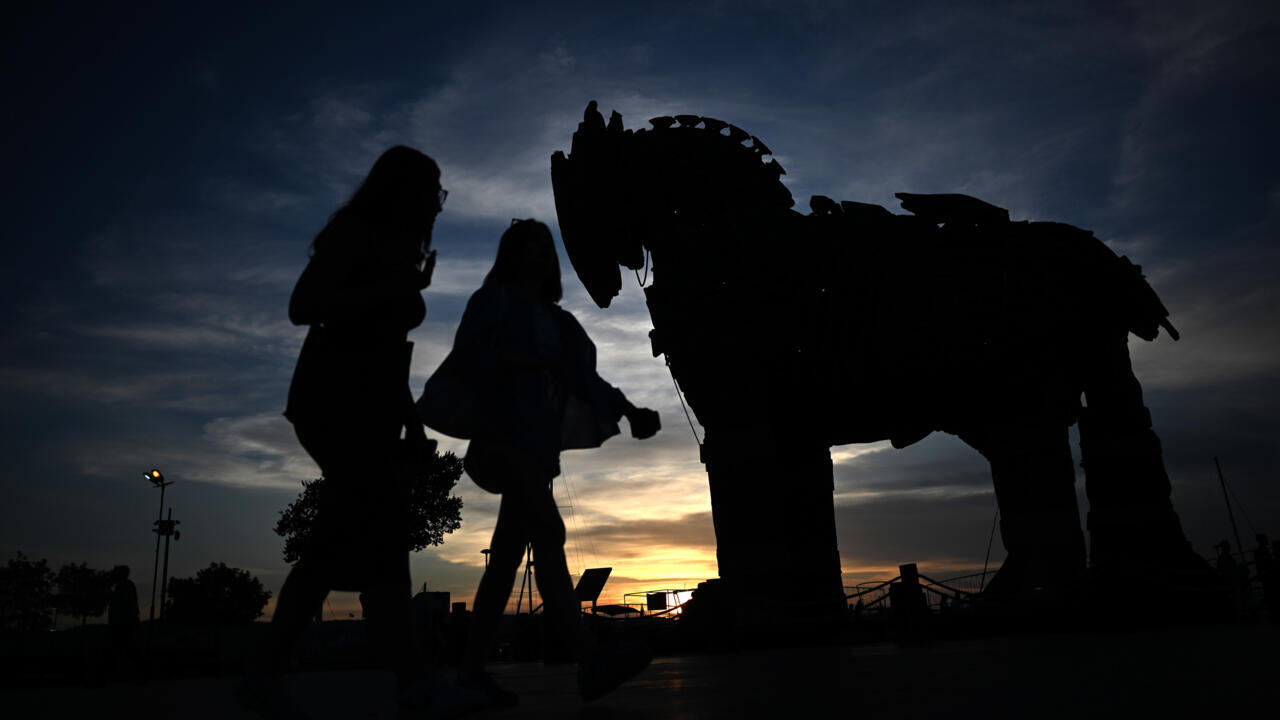
Standing on the rooftop of the Troy Museum in Türkiye at eight in the evening, I stopped being a tourist.
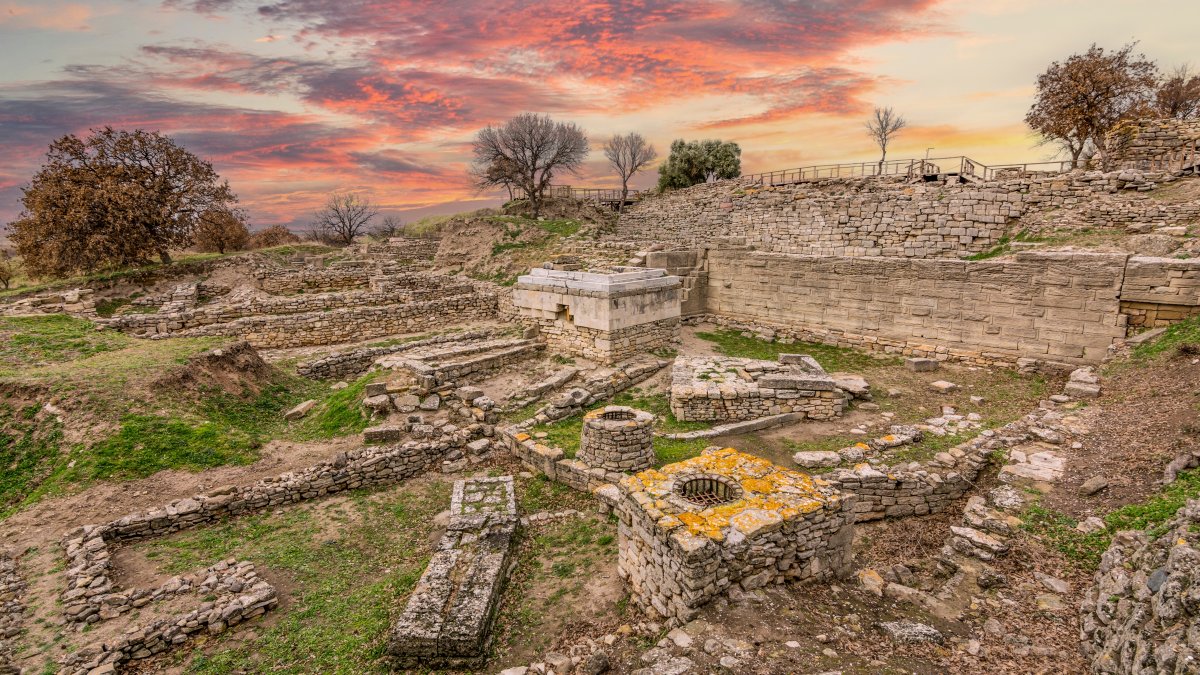
The enormous Trojan plain swallowed the horizon. The never-ending swathe of land bathed in a simmering yellow that turned orange and then suddenly a deep, stubborn red, thick with secrets as the sun set. For a moment, I was inside the story, one that started almost 4,000 years ago.
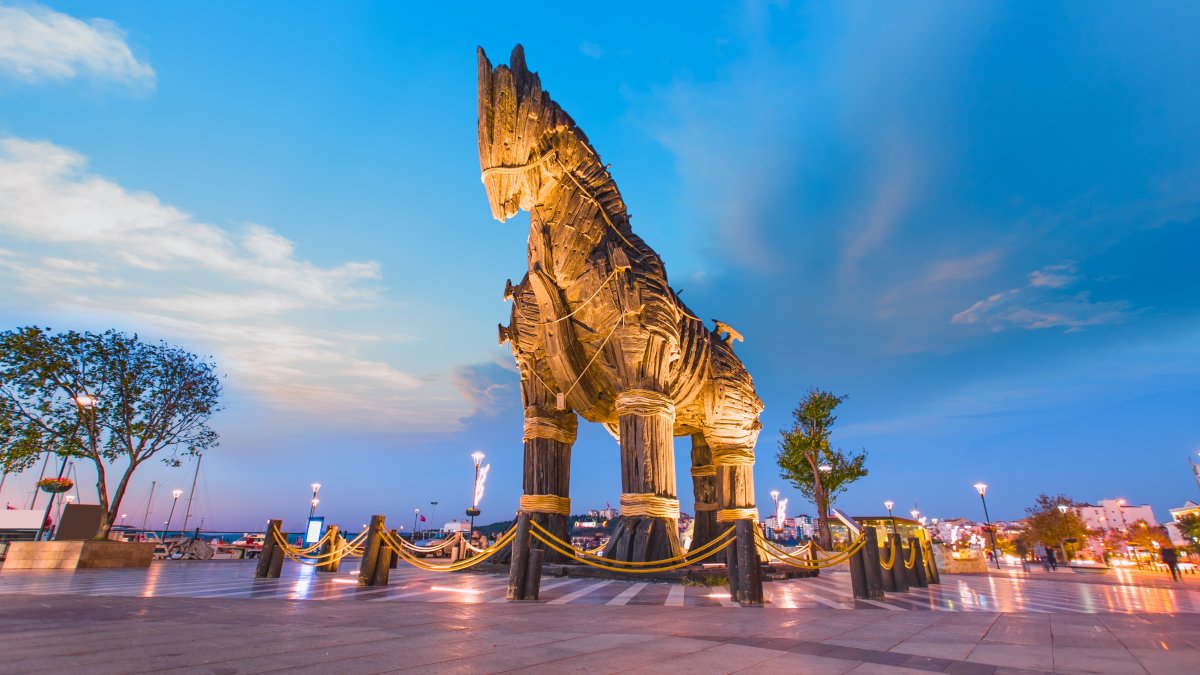
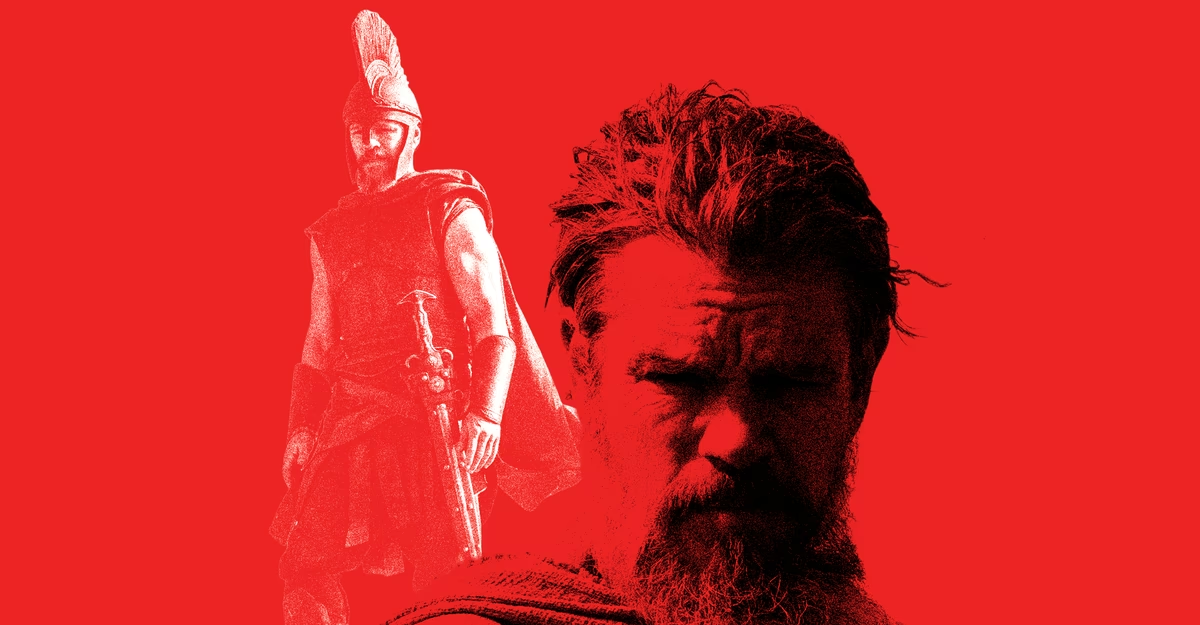
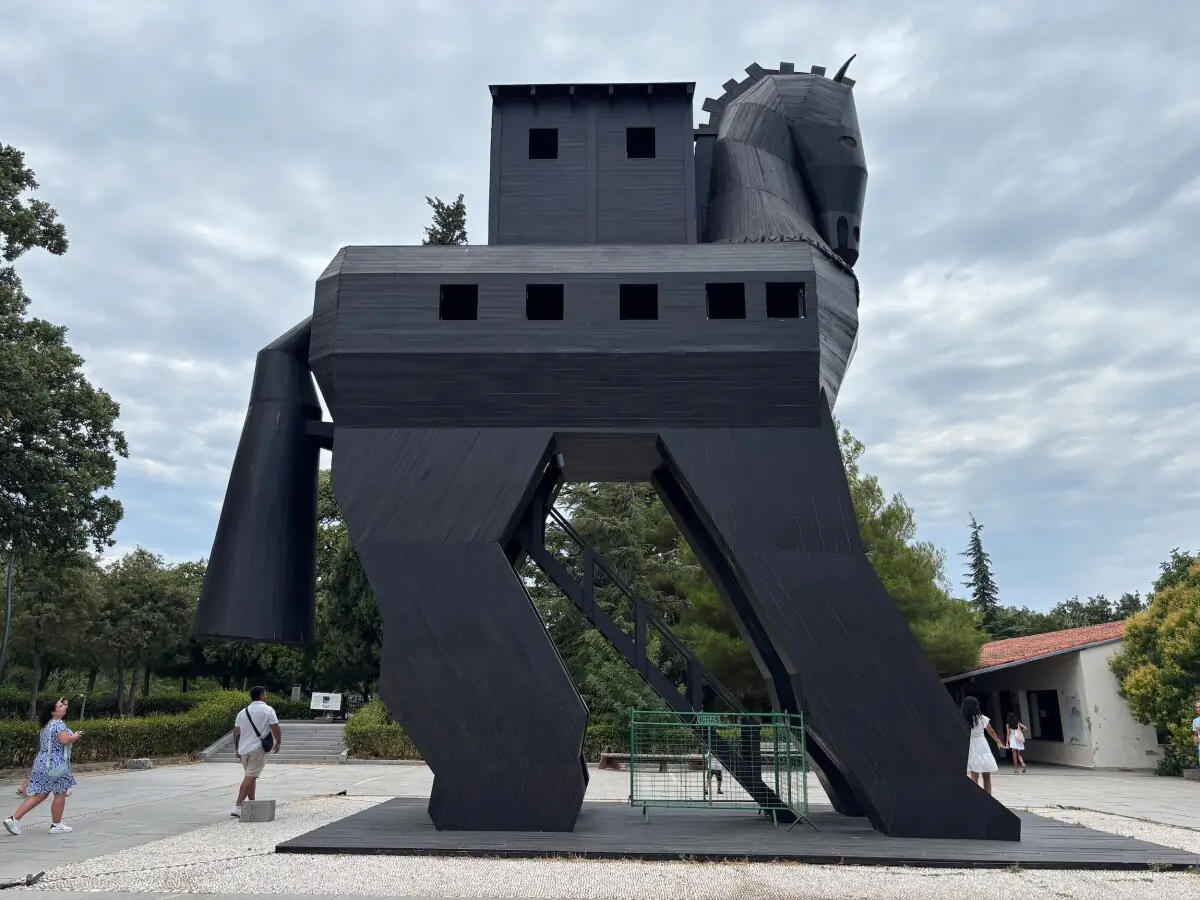
This is also where Odysseus might have stood. Cunning, valiant, and depending on who you ask, the mastermind behind Troy’s fall. The Greek king who convinced his men to hide inside a giant wooden horse. The ‘complicated man’ who spent years trying to find his way home from a war he had just won. The man enshrined in Christopher Nolan’s new film, The Odyssey.
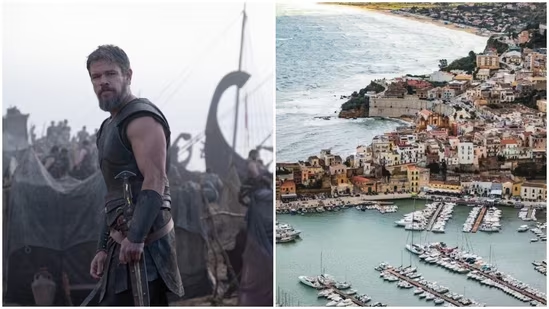
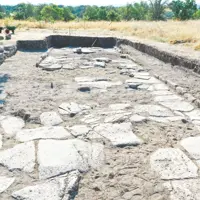
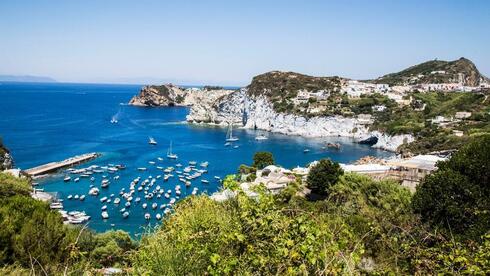
But the story begins right here — not in a film studio in Iceland, Italy or Morocco, but in the city of ancient Troy that now sits in Türkiye’s Canakkale province, some 30 kilometres from the city centre.
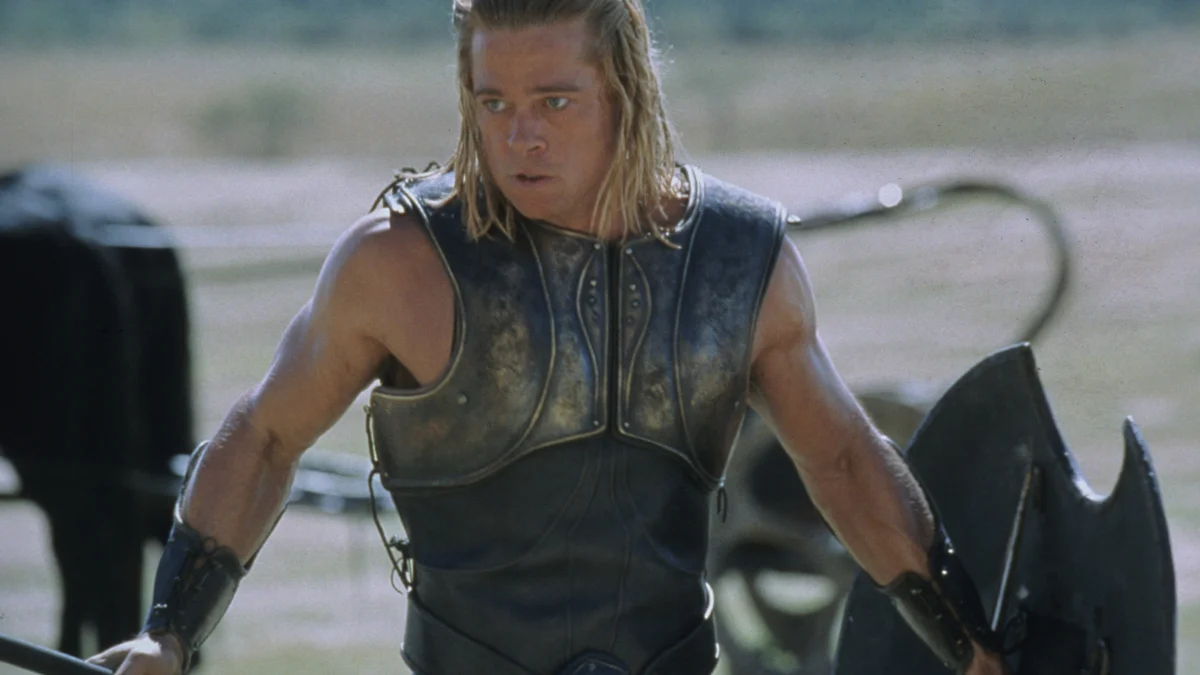
Most people know the city from the famous Brad Pitt film Troy. Few know that it is a real place. That blockbuster ended with Odysseus walking away from the doomed city. In it, he asked for one thing: “If they ever tell my story, let them say I walked with giants. Men rise and fall like the winter wheat, but these names will never die. Let them say I lived in the time of Hector, tamer of horses. Let them say I lived in the time of Achilles.”