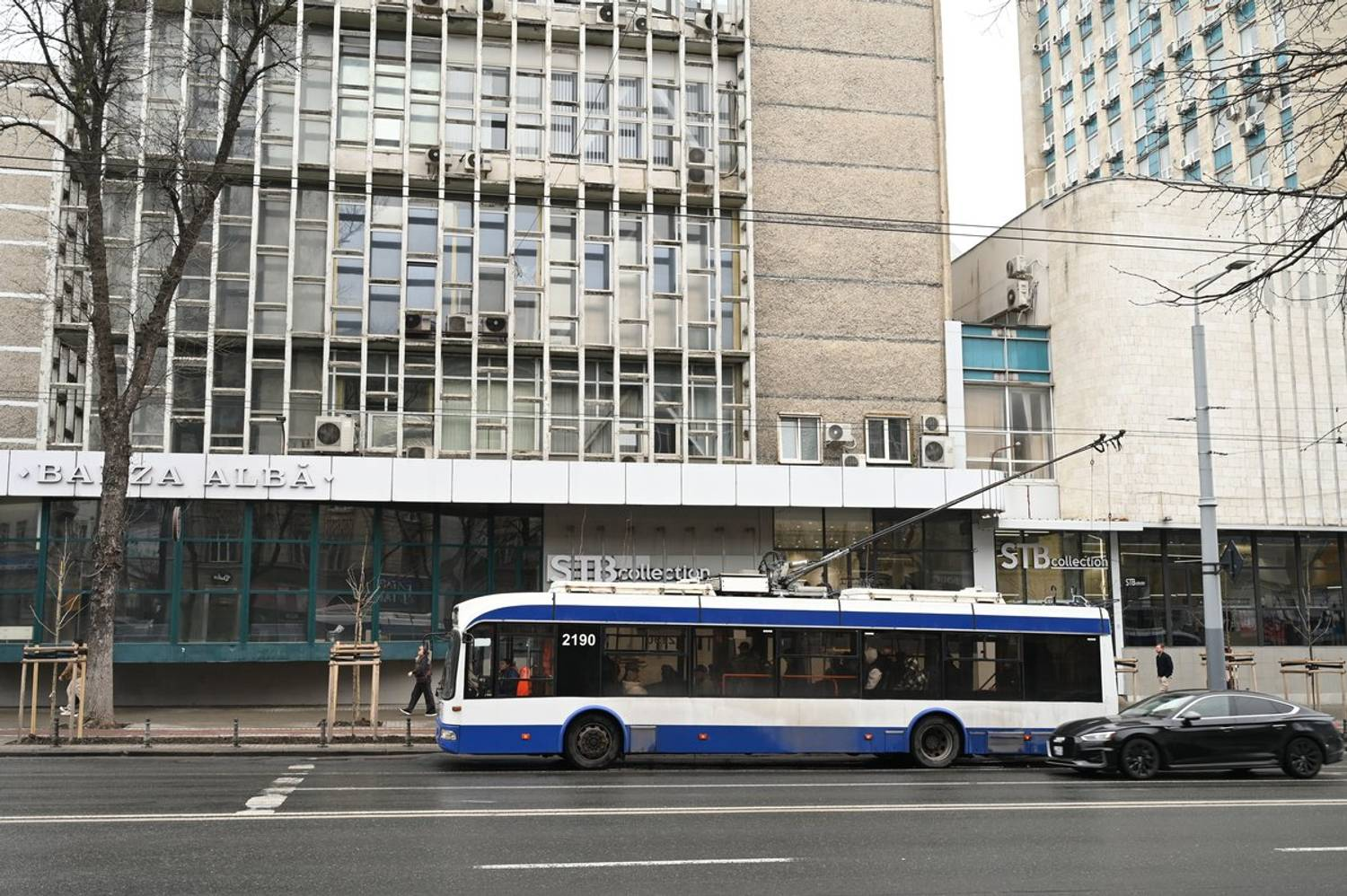
As a result of mass emigration, Moldova is among the fastest-depopulating countries in the world. One in four Moldovans lives abroad. But now, the state is trying to entice its citizens back.
“Chisinau is a city of contrasts,” says Sasha, a young man in a baseball cap and beige jacket, with whom I chat over cigarettes and decaf coffee at the Casa Zemstvei community centre. His sentence sounds like a cliché, but as I stroll through the Moldovan capital of nearly three-quarters of a million people, I am reminded of it more than once.
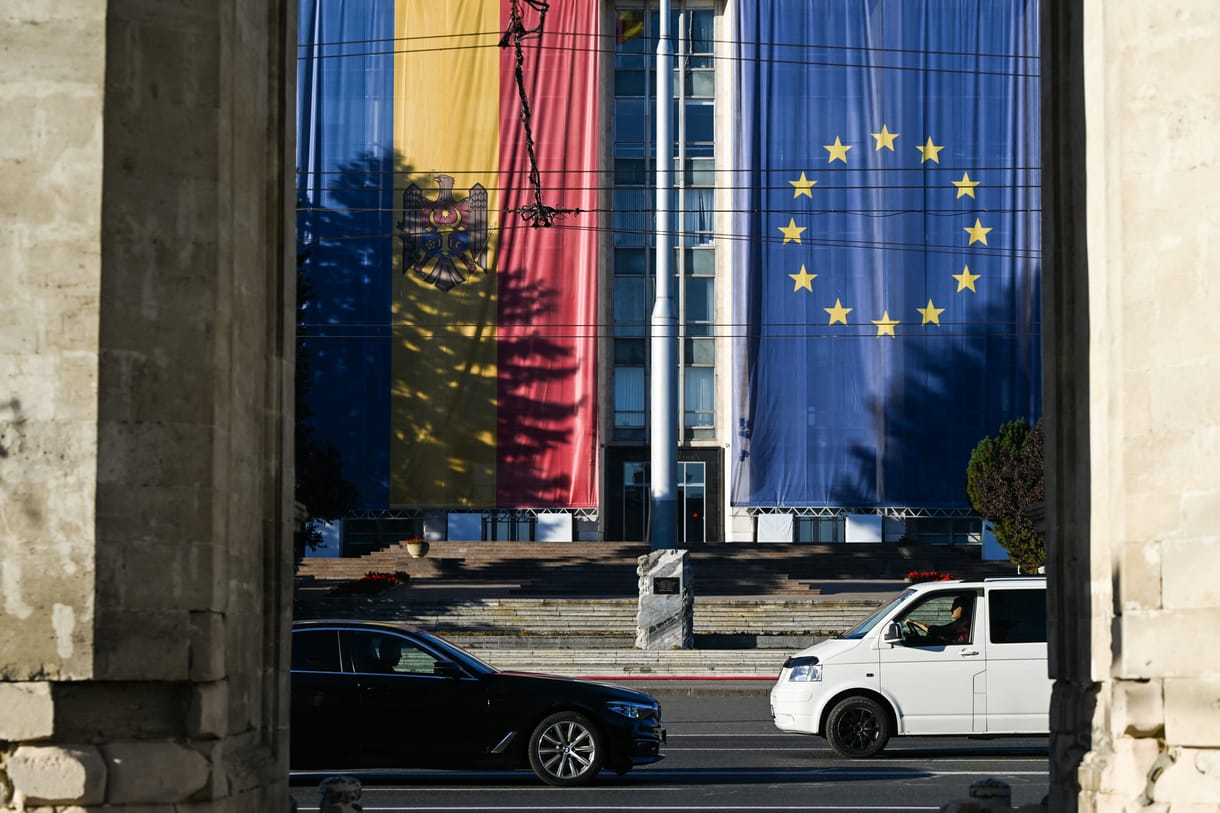
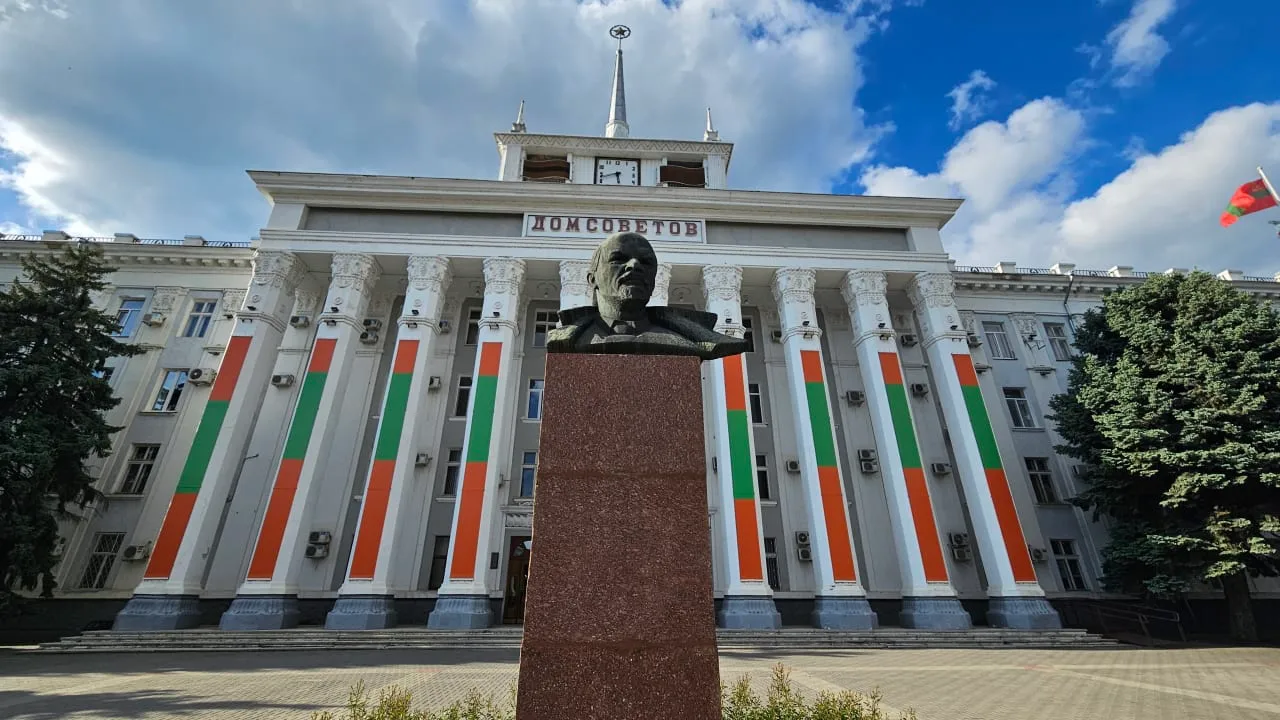
Even in the city centre, low houses with wooden beams stand, often with handymen kneeling in front of them, hammer or paintbrush in hand. Wide avenues, where columns of cars and blue-and-white trolleybuses crawl, are lined with majestic Brutalist concrete structures and white limestone buildings adorned with Neoclassical reliefs. Yet, just a few blocks away, the grand boulevards are replaced by torn-up roads where, despite their dismal state, more cars are stubbornly parked.
“Does Chisinau feel like a European or a Soviet city to you? Last year, friends visited me here and said it felt European. It filled me with pride,” I heard in several variations during my stay.