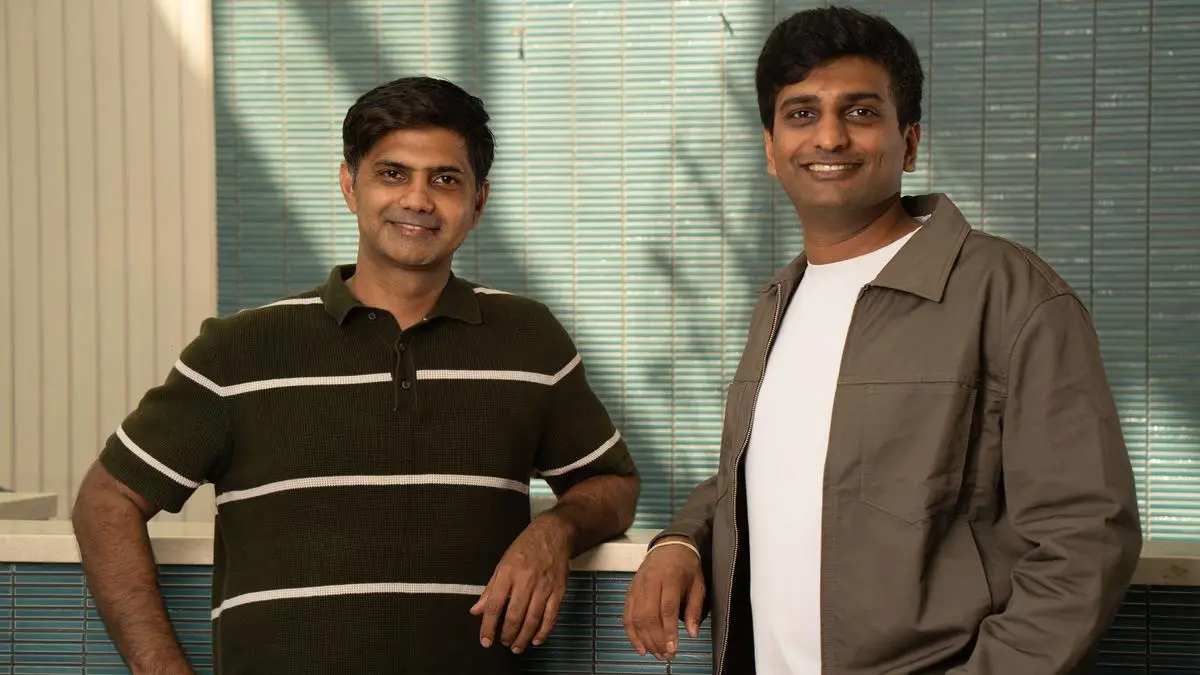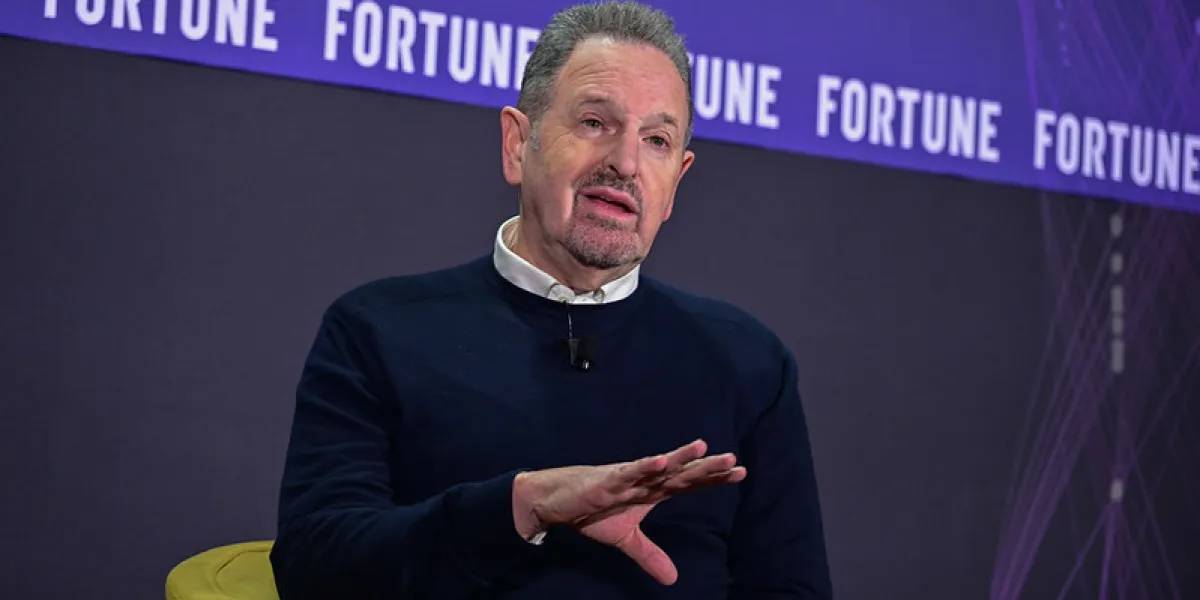
His startup, Foundational Industries, just raised a $25 million seed round, Fortune learned exclusively, to build factories where AI runs the whole operation rather than bolting automation onto an old assembly line. The round was led by BoxGroup and Zigg Ventures, with Abstract Ventures, Adverb Ventures, Buckley Ventures, and Offline Ventures participating.
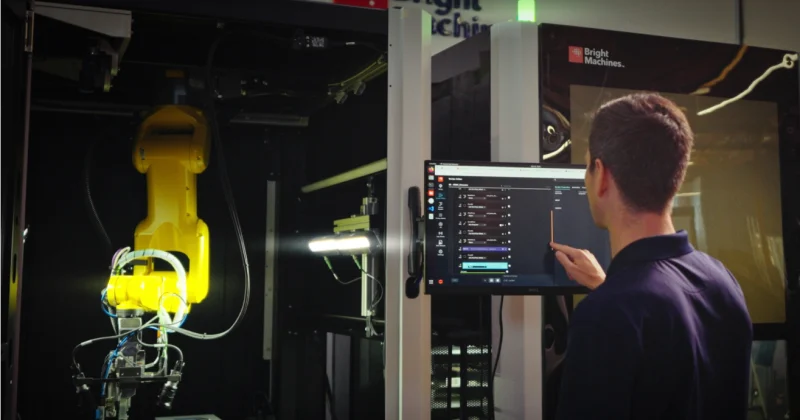
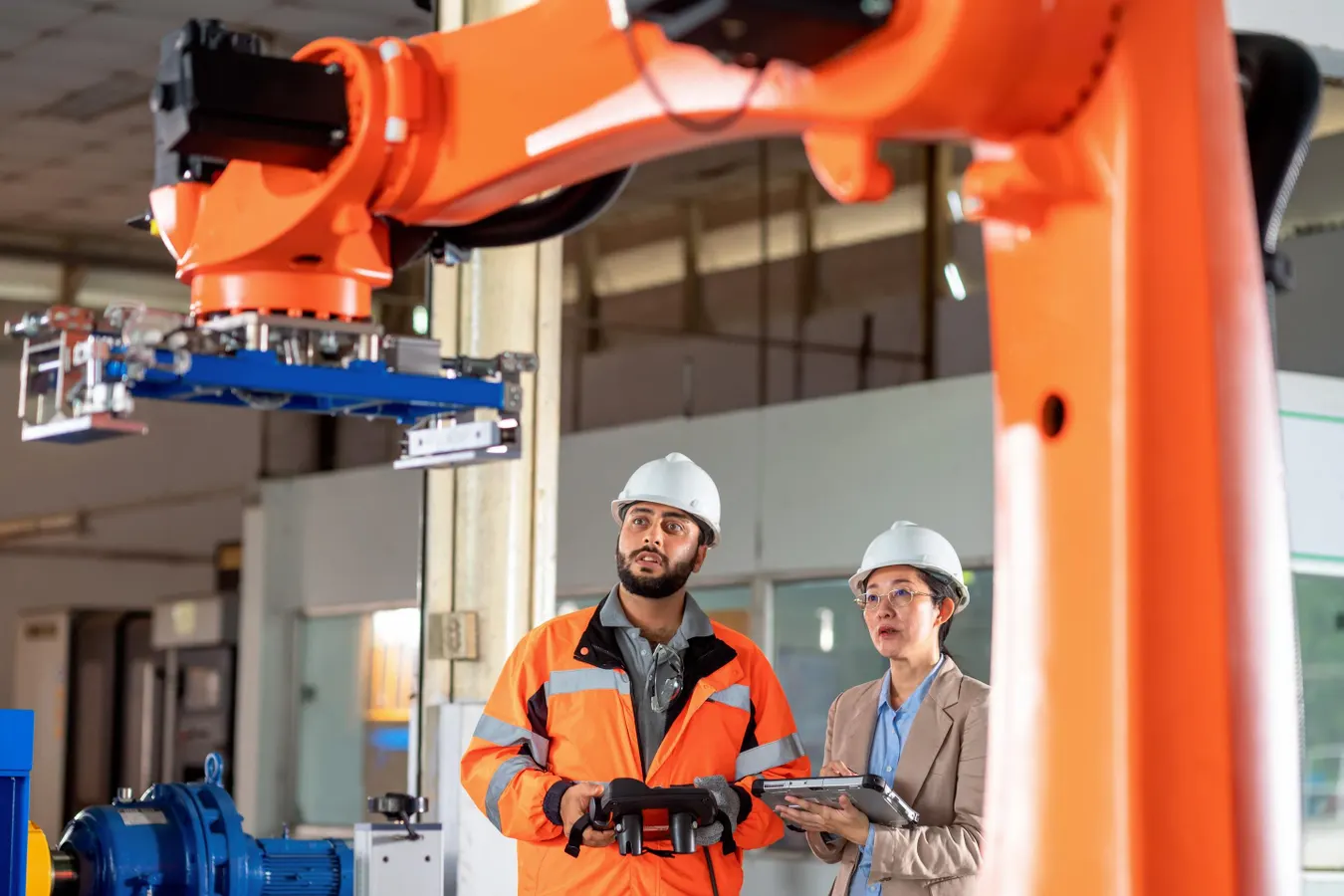
Rather than retrofitting a factory with a robot arm here and a vision sensor there, Foundational makes physical products, starting with data-center hardware, using factories designed from scratch to be run by software.
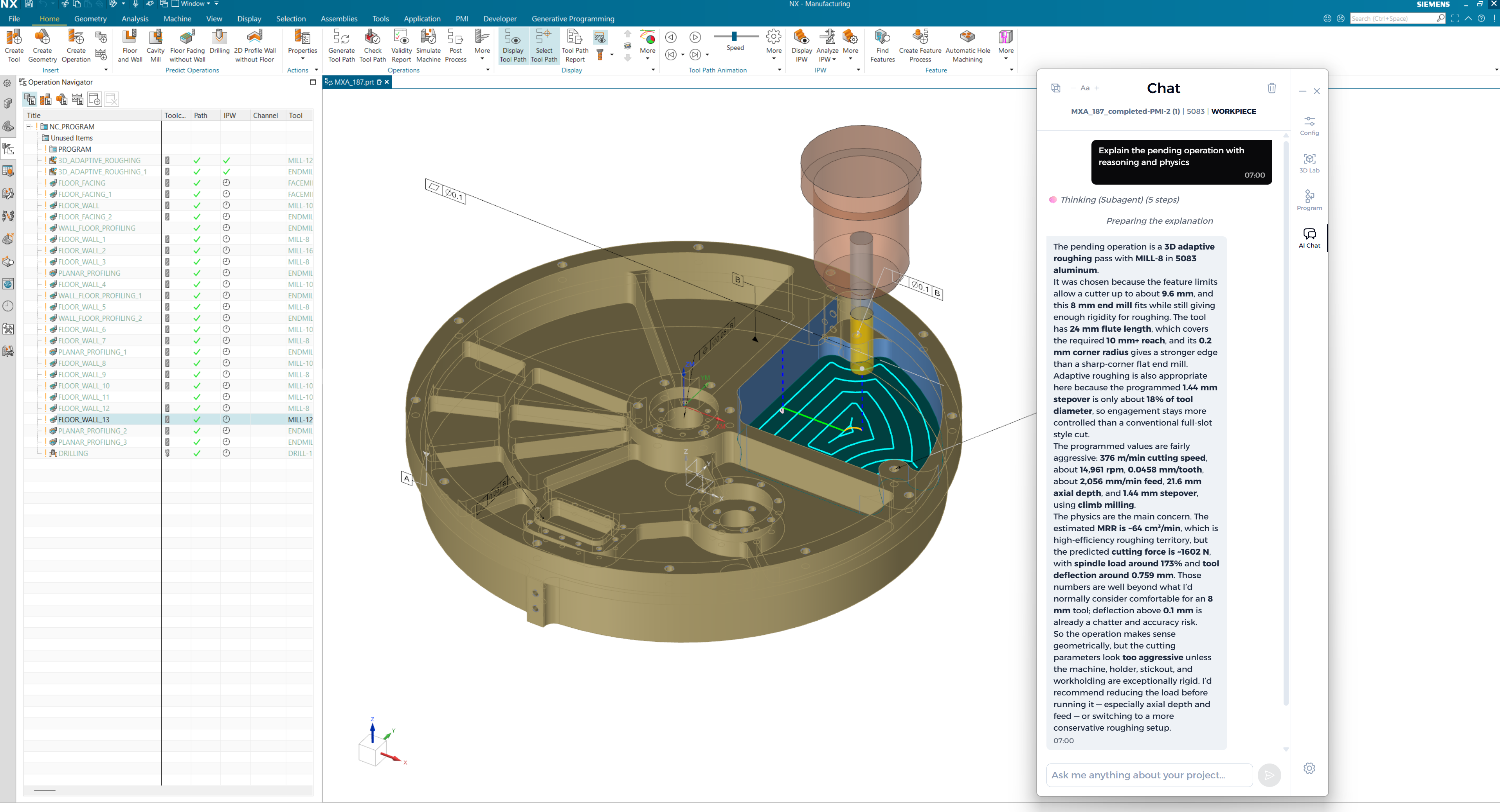
Winer, who spent 25 years at Alphabet’s Sidewalk Infrastructure Partners deploying over $1 billion in capital, told me the seed money isn’t meant to fund a giant factory yet. “What this is allowing us to do is to sort of build a minimum viable product,” he said. “We’ve actually built the entire factory in software already using software emulators.”
Foundational’s first customers are data-center developers, neoclouds, and chipmakers who need custom rack enclosures now that new AI silicon runs at different voltages and cooling requirements. They declined to disclose customer names.
But Winer’s real argument is about China. The common wisdom in Washington is that China’s manufacturing dominance is built on cheap labor and lower-quality copying. Winer says that’s outdated. “Many of their factories are some of the most advanced automated factories in the world, and they are increasingly using not just international industrial automation, but also homegrown and home produced solutions,” he told me. China has poured over $1 trillion into advanced manufacturing over the past decade, backed by state subsidies and what Winer calls “a really dense industrial ecosystem” that lets new products get designed and launched fast.