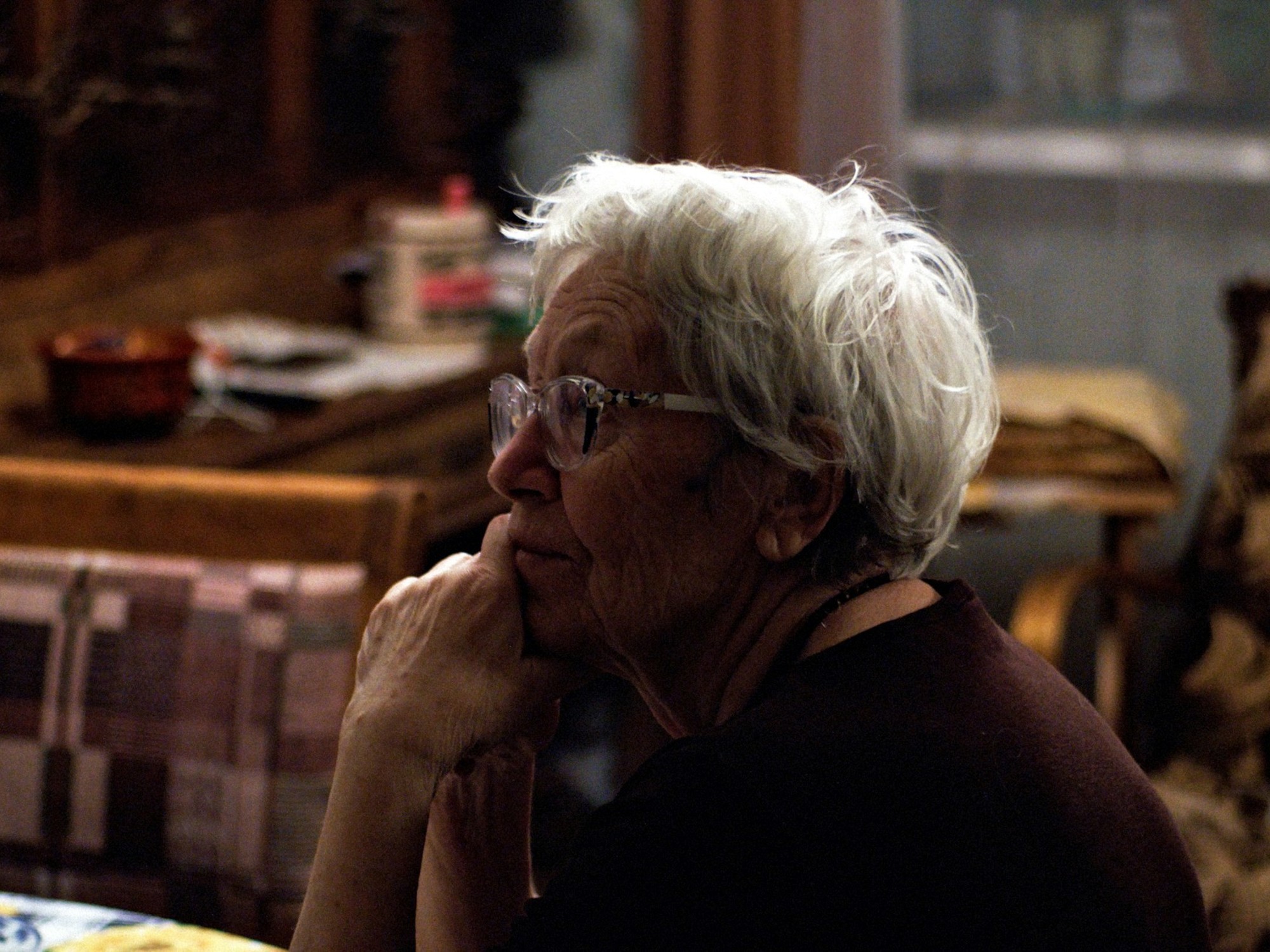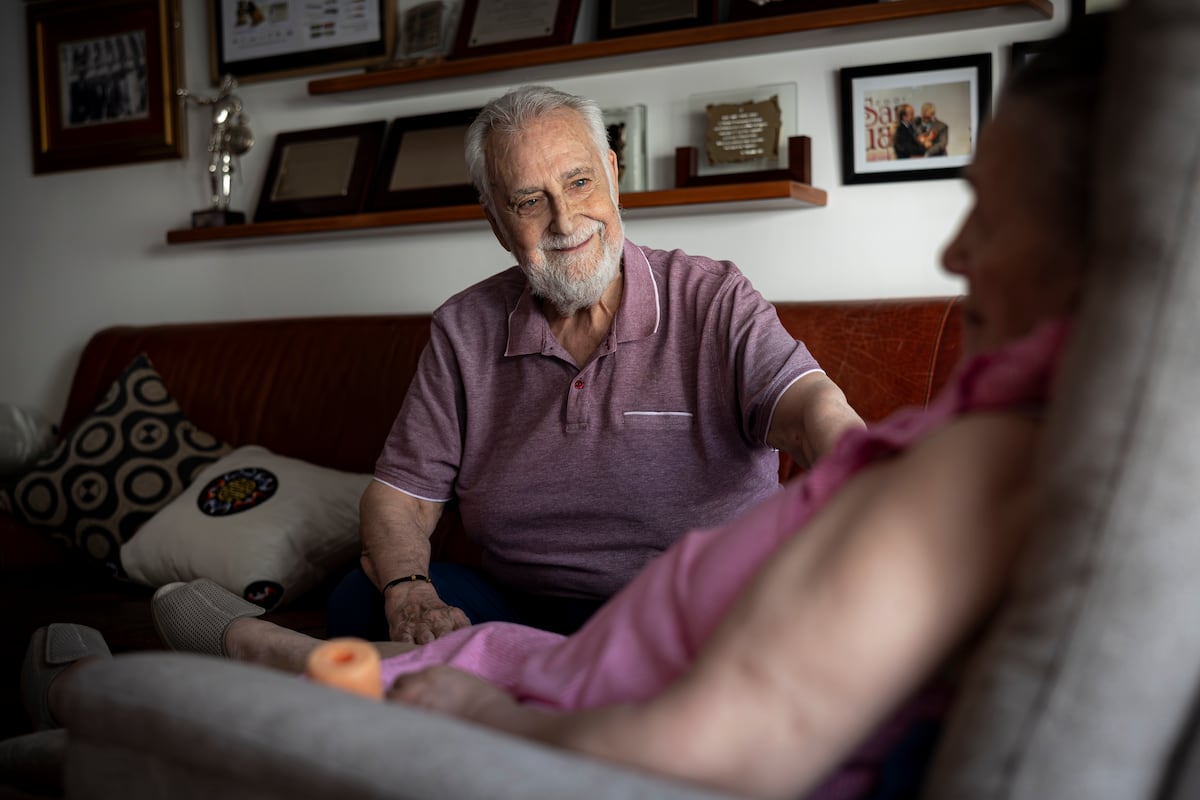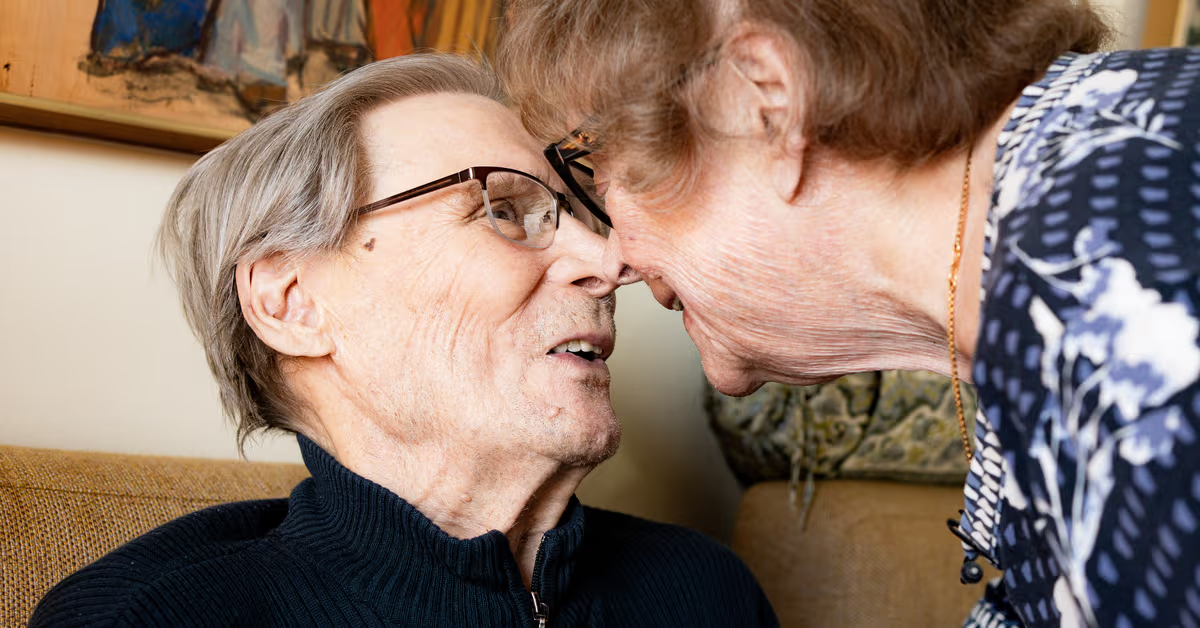
Thousands of elderly people are caring for loved ones well into their own 80s and 90s—with many unaware of the support available to them.Yle News11:49At 93, Helka Kivelä spends her days caring for her 96-year-old husband, Jussi, in their apartment in Järvenpää.Helka became Jussi's full-time caregiver after he suffered a stroke while on a Sunday stroll in 2017. The former army colonel lost much of his hearing and mobility, changing the couple's retirement overnight.Helka, who worked as a teacher, says she never questioned whether she would care for him at home.Jussi and Helka Kivelä met at a dance hall. "That's how people met back then," Helka recalls. Image: Ville Maali / Yle"We've been married for 70 years. We're just just two old grumps," she quipped.Elderly caring for the elderlyAs Finland's population continues to age, so do its caregivers.According to Statistics Finland's population forecast, the number of people aged over 85 is expected to double over the next two decades.The Finnish Institute for Health and Welfare (THL) estimates that around 62,000 people were registered informal caregivers in 2024, while around 350,000 Finns are primarily responsible for caring for a family member or loved one.Sari Tervonen, dxecutive director of Carers Finland, says many caregivers are elderly women looking after their spouses."Sometimes, with an elderly couple or siblings, it is not always possible to tell from the outside who is helping whom," Tervonen said.She added that caregivers are often in better cognitive health than the person they care for, but they may still struggle with their own physical maladies.An invisible burdenInformal care saves society money, but experts warn it has increasingly replaced publicly provided home care."When an older person doesn't receive enough home care, they have to manage alone or rely on family members," said THL chief specialist Sari Kehusmaa, calling the trend worrying.For Helka, home-care staff visit three times a week to help Jussi. The visits are short, but they allow Helka to run essential errands, like grocery shopping or visiting the pharmacy.Helka says she's always been a night owl who enjoys staying up late watching TV. But in recent weeks, she's found herself enjoying an afternoon nap too. Image: Ville Maali / YleLately, she said, she has also started taking afternoon naps while Jussi sleeps."There's always so much to do, but if I sleep for an hour or an hour and a half, I can keep going until the evening."Many miss out on supportUnder Finland's informal care scheme, eligible caregivers can receive a monthly allowance of at least €530, rising to €966 in particularly demanding cases, as well as two or three days of respite leave each month.Yet according to Tervonen, many caregivers are unaware of the support available or do not know how to access it. According to a 2024 survey, many statutory respite days went unused.Helka is one of them.She says no one has ever explained how to apply for respite care—or who would look after Jussi if she took some time off."A sick person is helpless. I completely understand why some people can't cope. I get very tired sometimes too."Finding joy in familyBefore Jussi's stroke, the couple travelled widely, spending winters in southern France and enjoying theatre trips and cultural events."We've somehow managed to keep going for an awfully long time," Helka says when asked the secret to their long life and long marriage. Image: Ville Maali / YleToday, Helka's greatest joy is much closer to home.The couple's children, grandchildren and great-grandchildren often visit, and she said that nothing makes her happier than welcoming them around the kitchen table.
Finland's ageing caregivers: "I never thought of not caring for him"
Thousands of elderly people are caring for loved ones well into their own 80s and 90s—with many unaware of the support available to them.
591 words~3 min read