Agentic Workflows That Survive Real Inputs
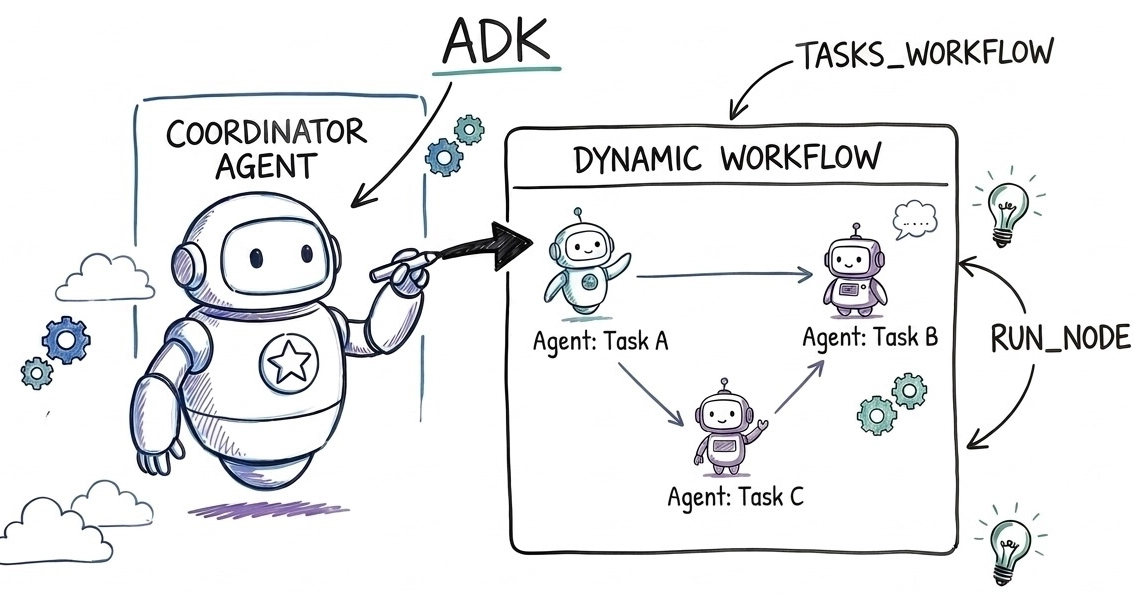
Most agent demos work because the demo input is clean. Real inputs are not. They arrive half-formed, with missing fields, contradictory context, PDFs that are actually images, and users who change their mind mid-thread. The gap between a working demo and a workflow that runs unattended for six months is almost entirely about how you decompose the problem and where you put the guardrails.
I design multi-agent workflows daily at BizFlowAI, and the pattern below is the one I keep coming back to. It is not glamorous. It is the reason my content pipeline runs 24/7 without me babysitting it, and it is the reason my serverless AWS integrations hit SLA instead of paging me at 2am.
Start by writing the workflow as a deterministic pipeline, then decide where an agent earns its keep
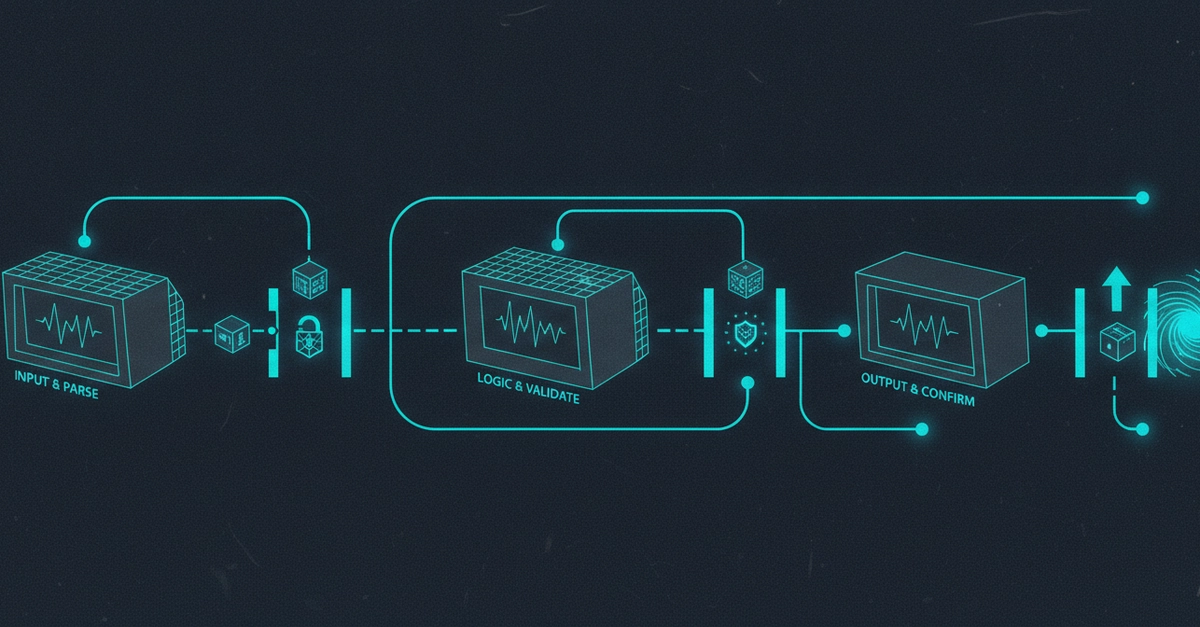
Before I touch an LLM SDK, I write the workflow as if agents did not exist. A boring sequence of functions with typed inputs and outputs. This is the single most useful exercise in agentic design, and it is the one most teams skip.