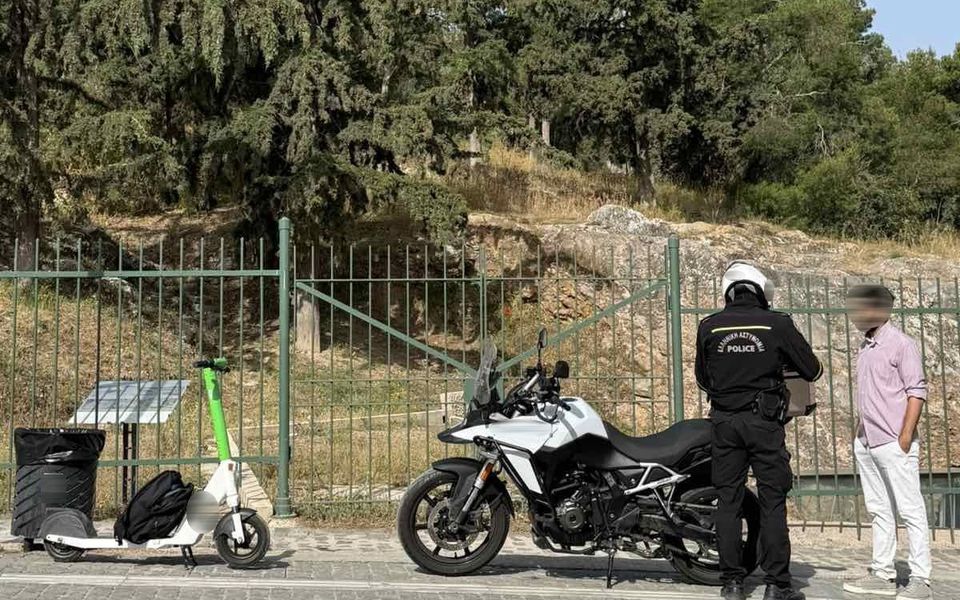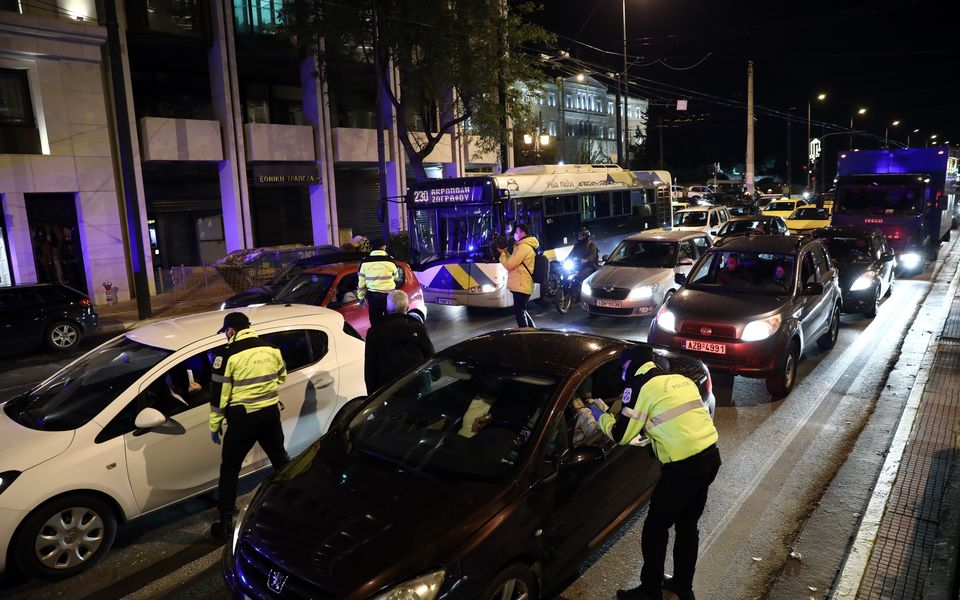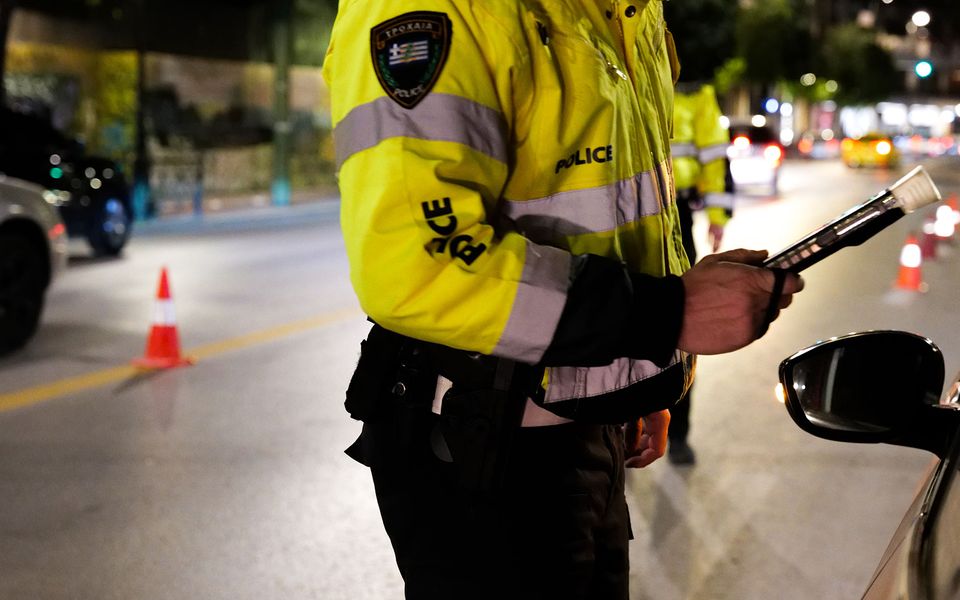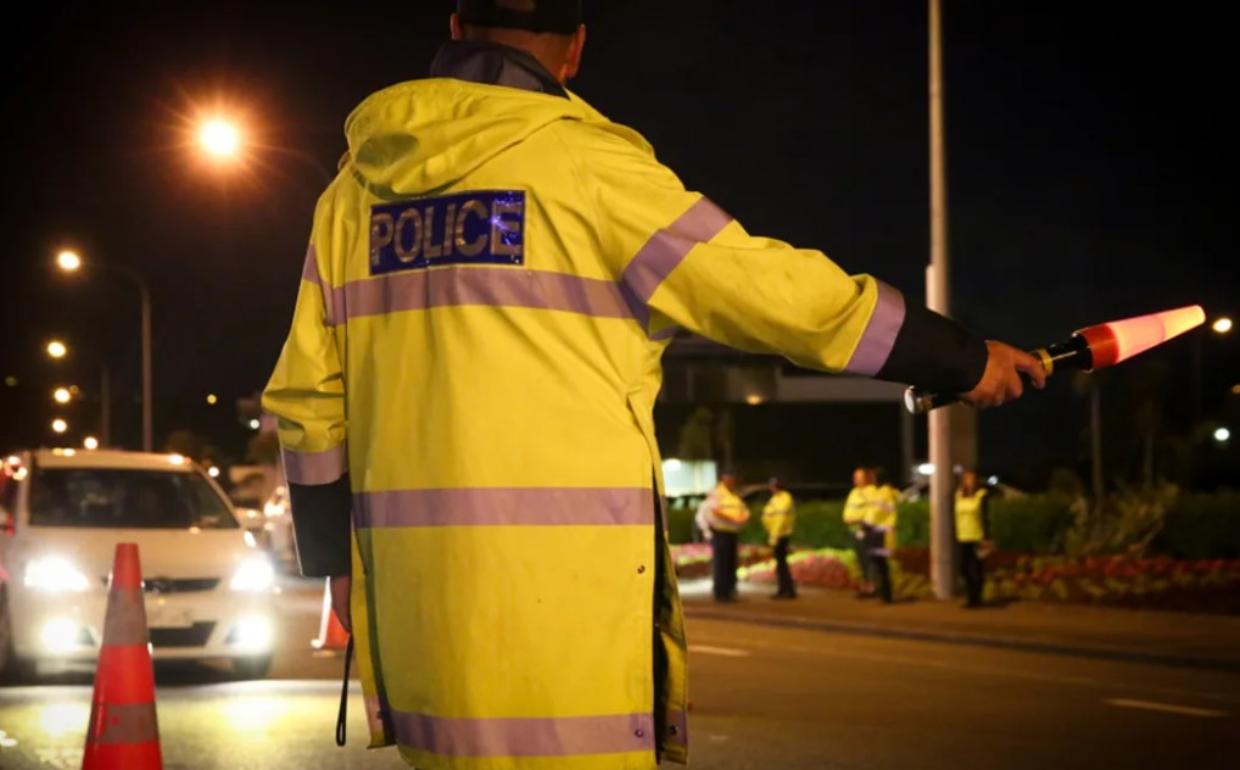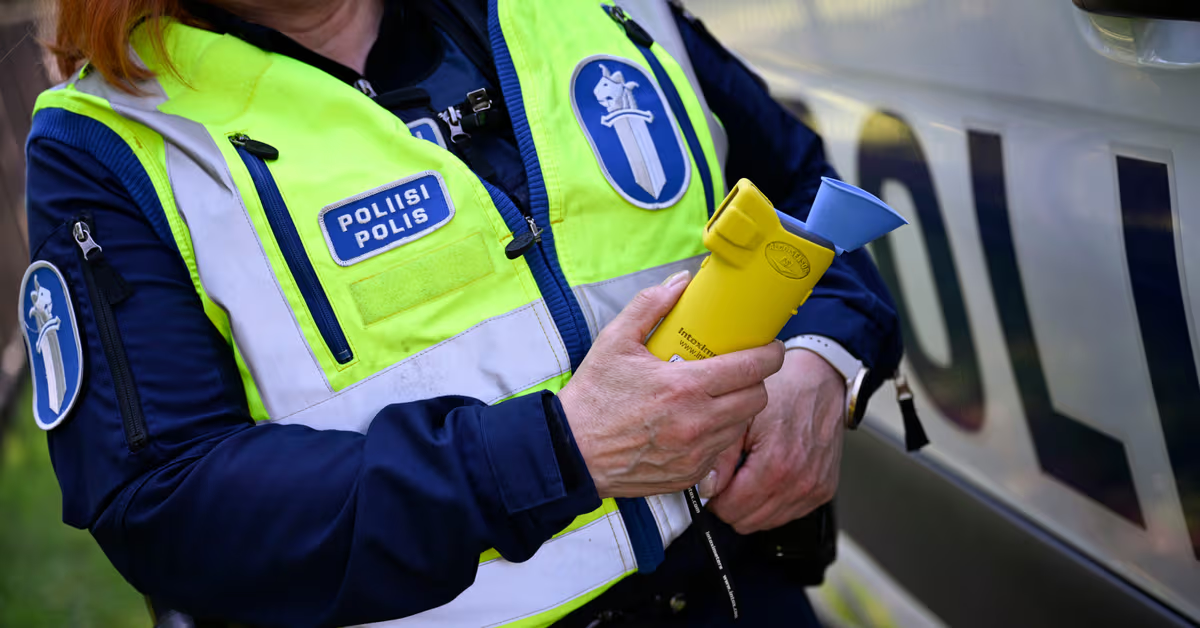
Police report catching fewer drink-drivers than during last summer's surveillance effort, even though they carried out 17 percent more breathalyser tests this year.There were 62 traffic accidents related to alcohol consumption in 2026, compared to 105 in 2025. Image: Emmi Korhonen / LehtikuvaYle News10:11Finnish police report that drink-driving offences fell during this summer's annual traffic enforcement campaign, despite officers carrying out significantly more roadside breath tests compared to last year.The nationwide campaign, which ran from 29 June to 26 July, focused on factors that affect a person's driving ability. Those factors include alcohol, drugs, medication and drivers' health conditions.More than 117,500 breathalyser tests were carried out during the summer campaign—around 17 percent more than last year.Despite the increase in checks, police recorded 1,503 drink-driving offences, down from 1,609 during the same period in 2025. It reflected a decrease of nearly seven percent.Aggravated drunk driving offences decreased by 10 percent and the proportion of positive test results in rapid drug tests decreased from 29 percent to 25 percent.Preliminary police data also showed a sharp decline in alcohol-related traffic accidents. Police recorded 62 alcohol-related crashes, down from 105 during the same period last year. Accidents resulting in personal injury also fell from 33 to 13.Police Inspector Heikki Ihalainen said new precision breathalyser units used in police cars and boats had helped officers carry out more roadside checks.E-scooter issuesDespite the overall improvement, police said impaired riding on electric scooters has emerged as a growing concern, particularly among younger people.Police recorded 225 suspected drink-driving cases involving e-scooters, up from 160 during last year's campaign—an increase of around 40 percent.
Fewer drink-drivers this summer, but more drunk e-scooter riders
Police report catching fewer drink-drivers than during last summer's surveillance effort, even though they carried out 17 percent more breathalyser tests this year.
265 words~1 min read