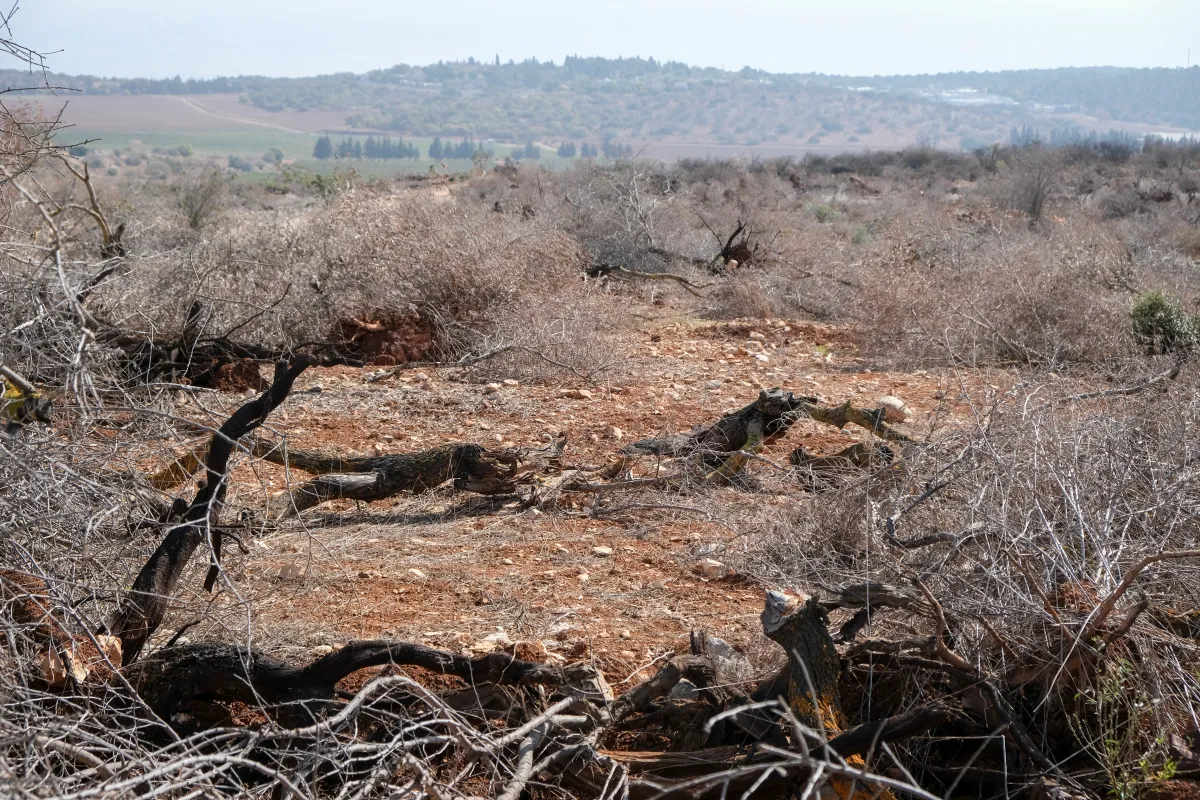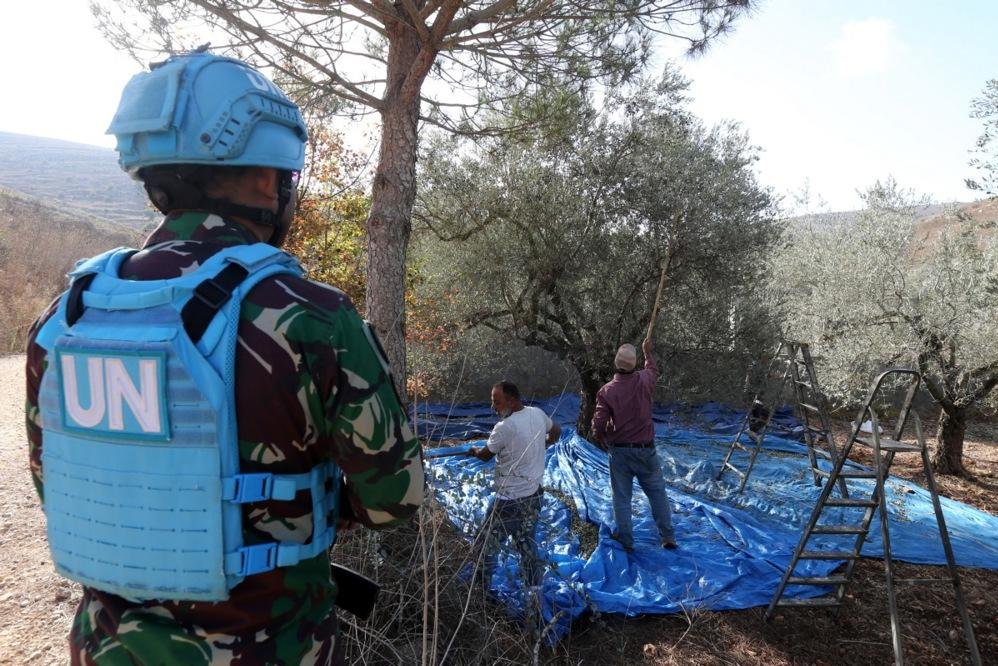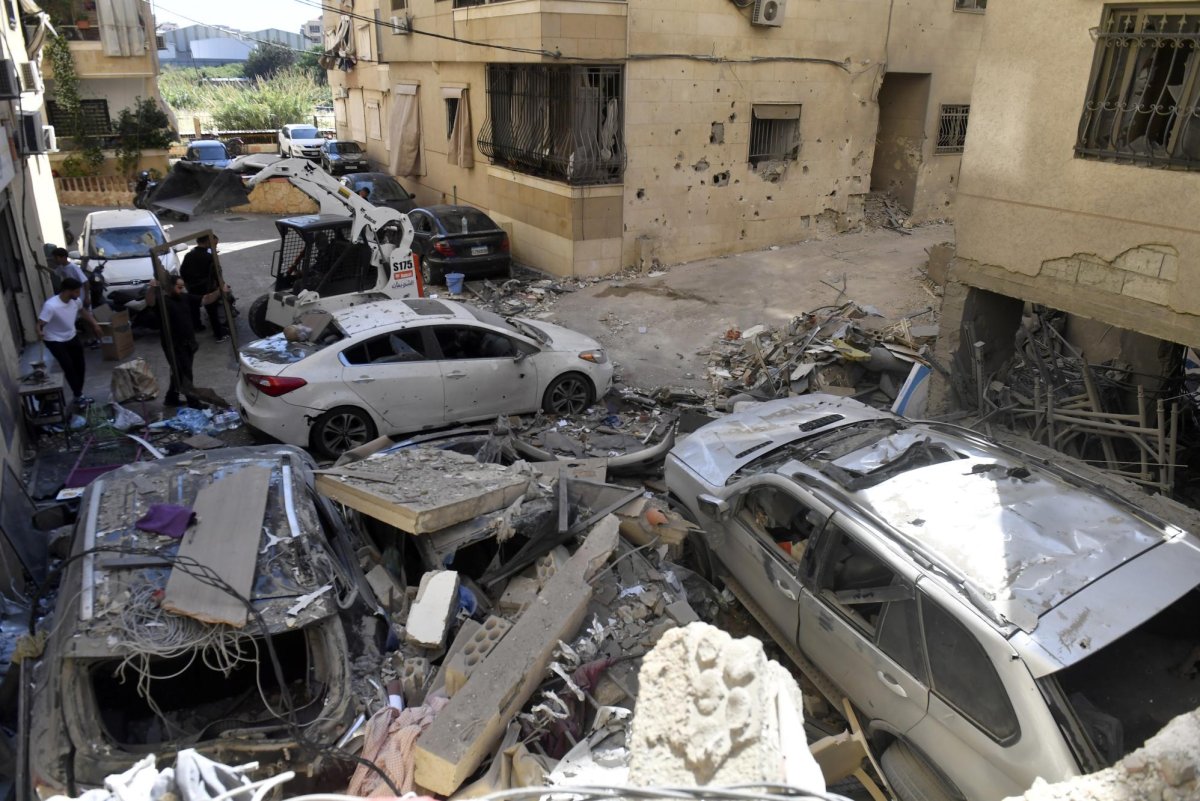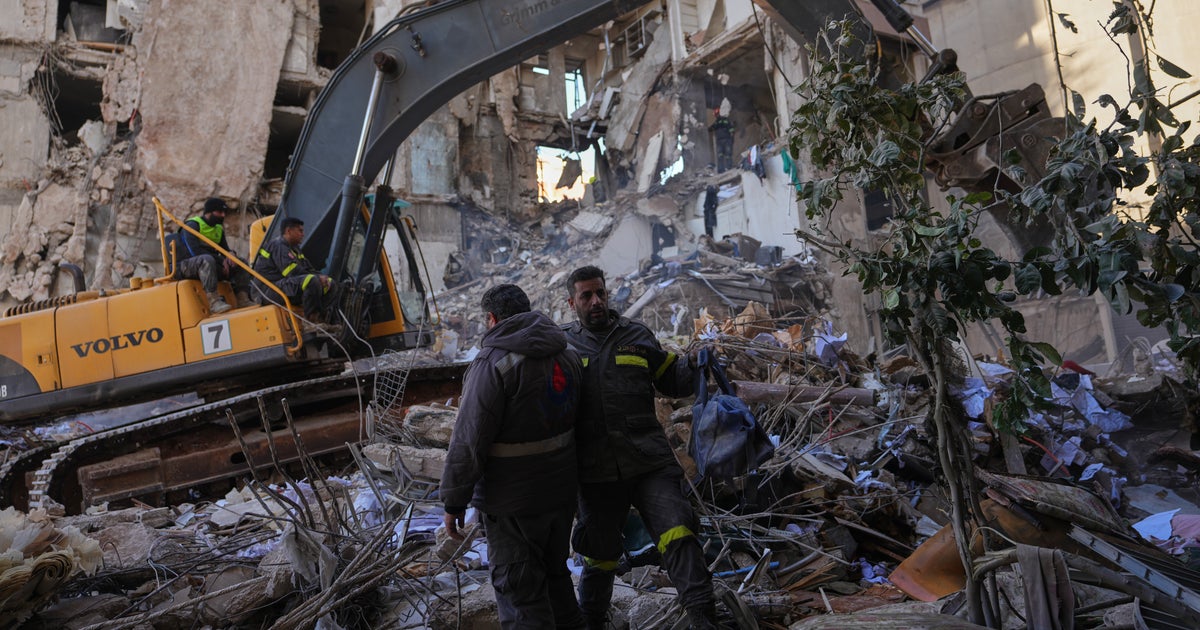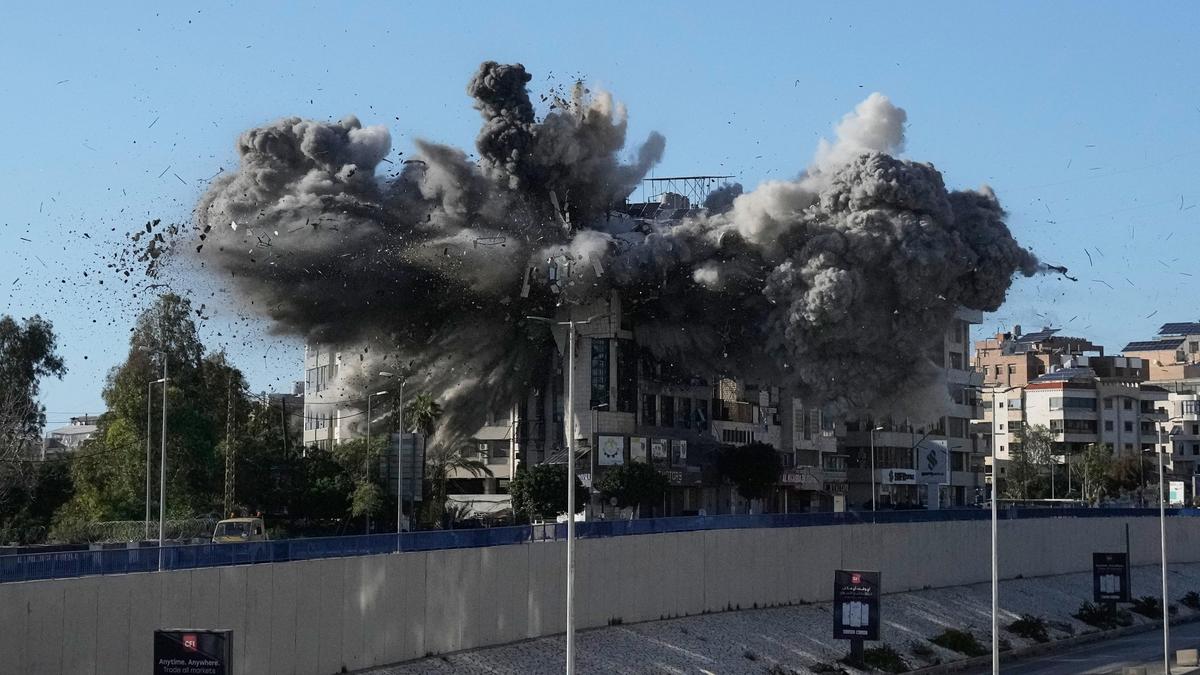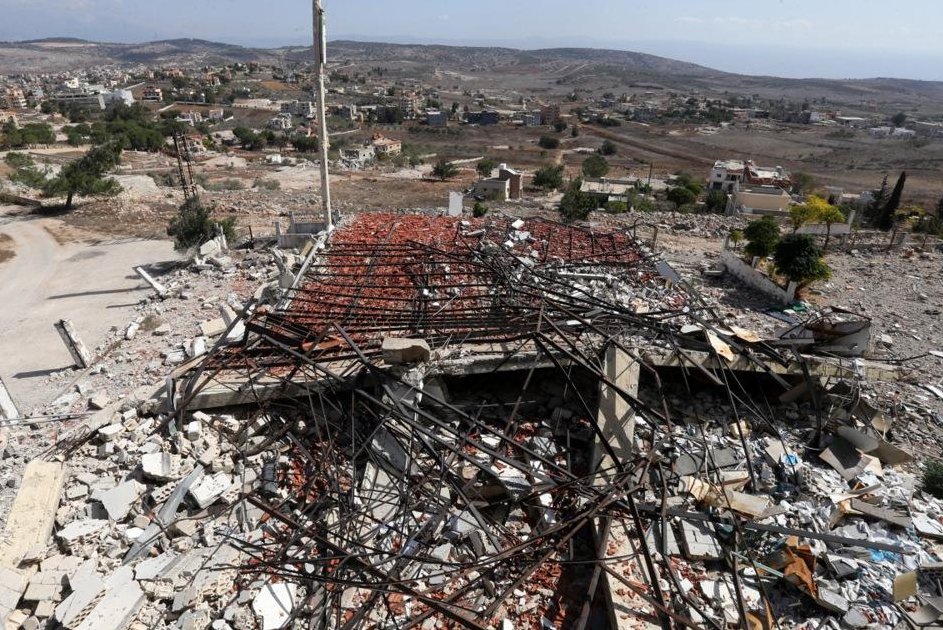
After the signing of the ‘Framework Agreement’ between Lebanon and Israel this month, the scale of the economic damage in Lebanon from Israeli bombardment is becoming clear. Among the sectors most affected is agriculture, a lifeline for much of the population and key to national food security. War has affected the country’s farmland, vegetation, water, and soil, which have suffered alongside its people.
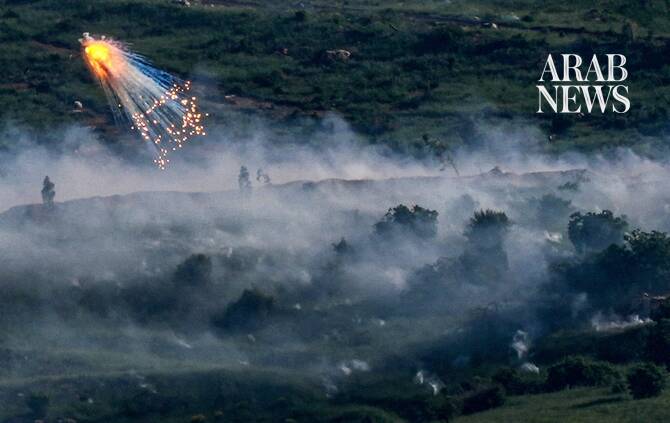
Israeli munitions have destroyed, burned, and contaminated Lebanese land and water courses with substances that pose grave risks to human and animal health. In some cases, their effects may endure for decades. The damage extends to livestock, an inseparable part of the natural and agricultural economy and a vital component of food production and the wider ecological cycle.
On 10 June, Lebanon’s Ministry of Foreign Affairs and Emigrants sent a formal complaint to the United Nations Secretary-General and the Security Council based on a report prepared by the National Council for Scientific Research. It focused on the Israeli military’s spraying of glyphosate over several southern Lebanese border villages. The Chemical Weapons Convention prohibits the use of herbicides as a method of warfare.