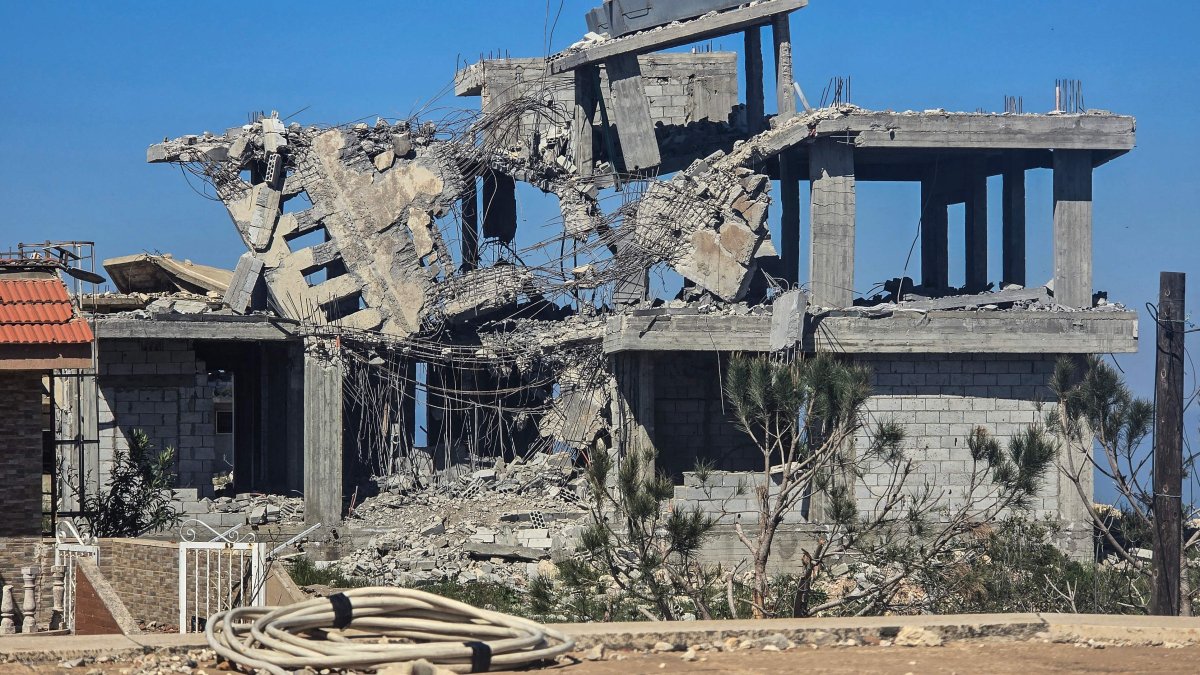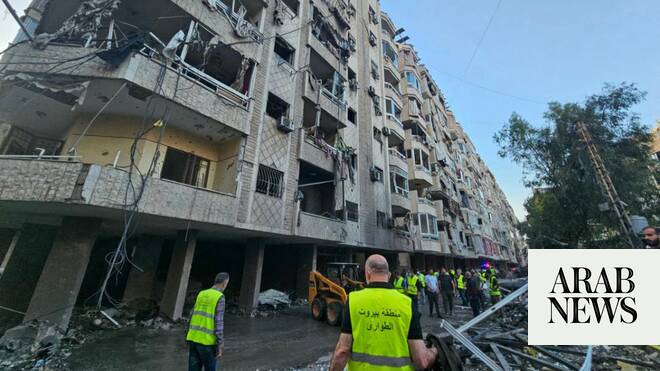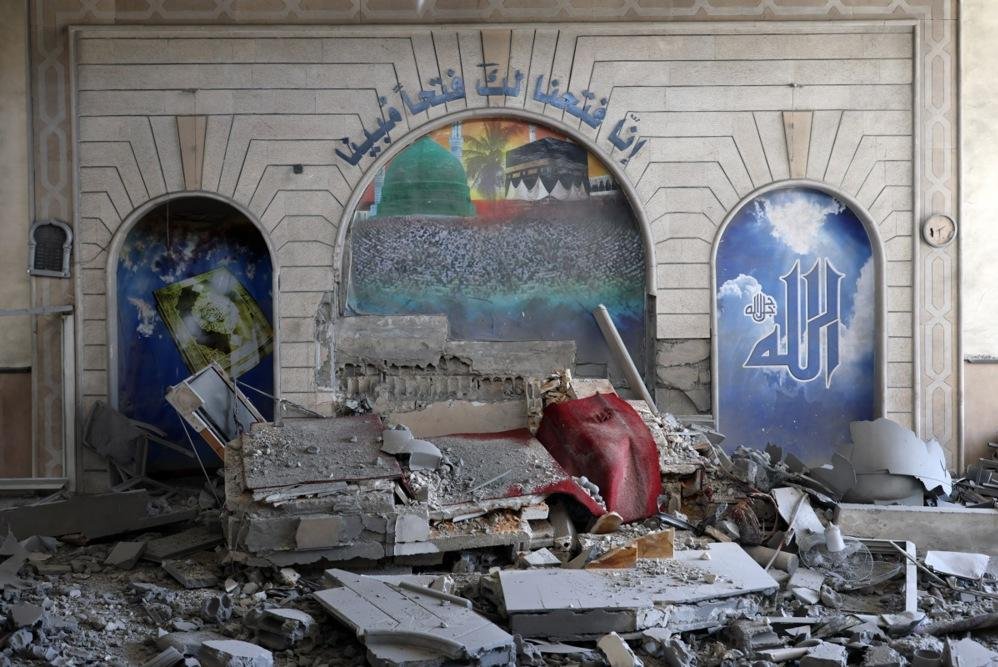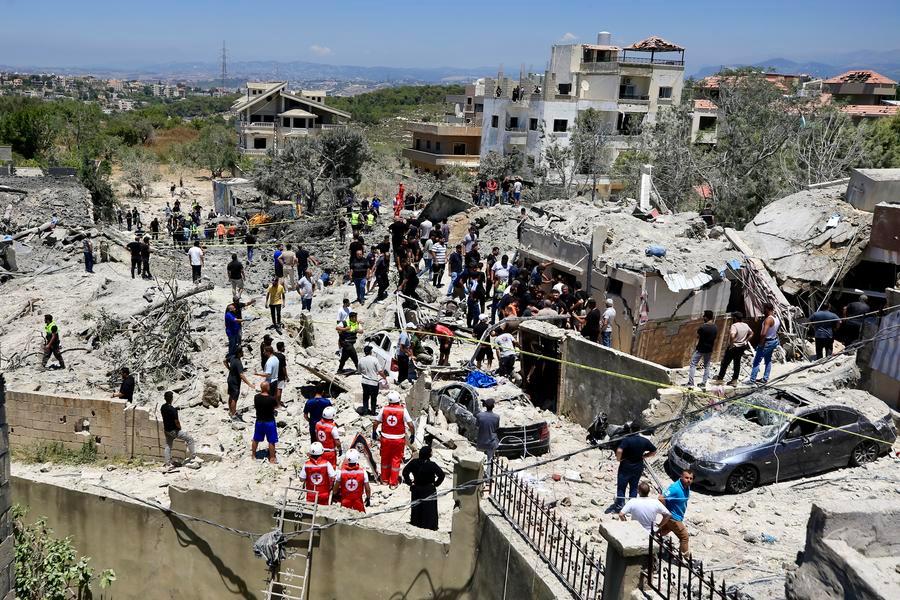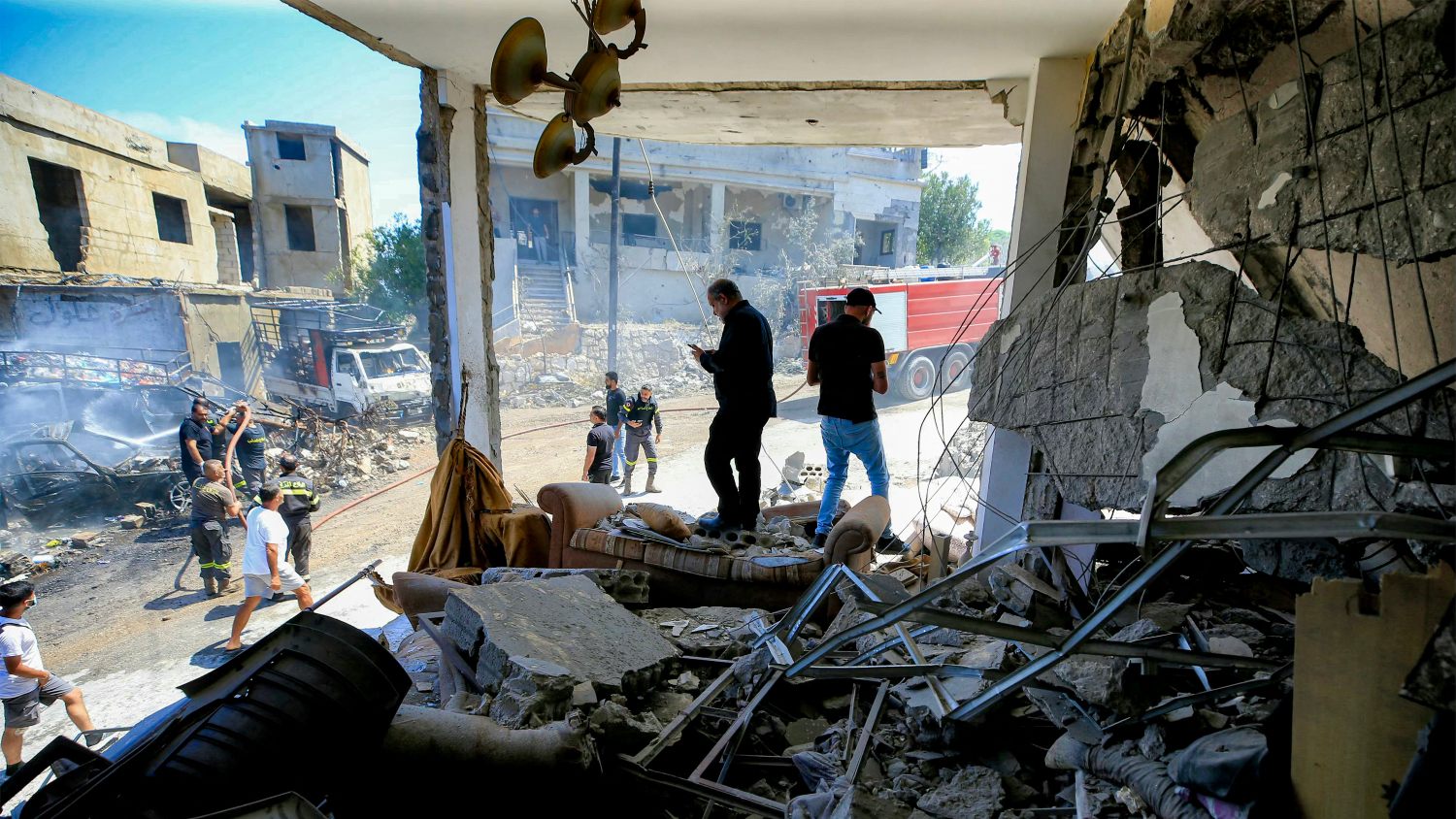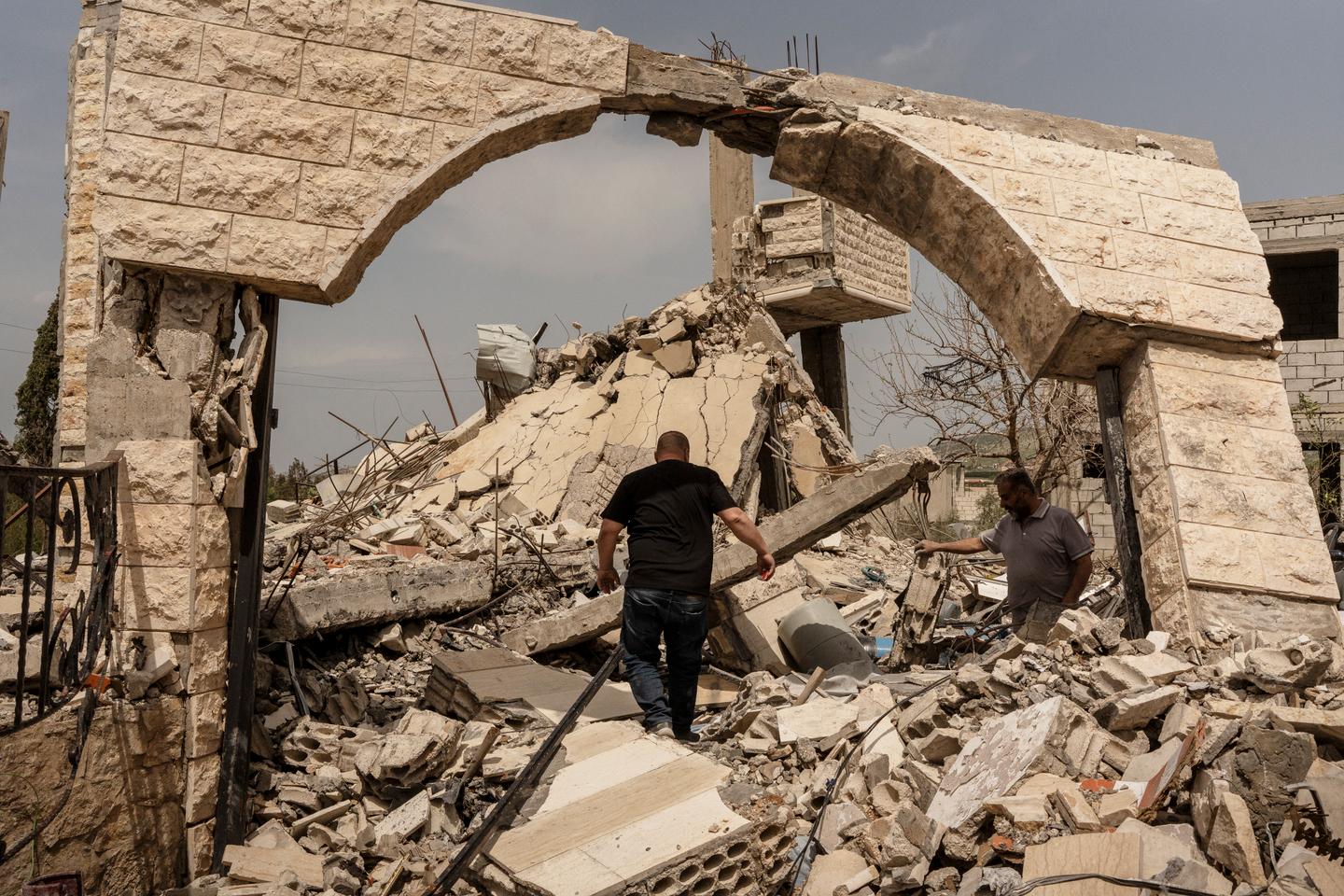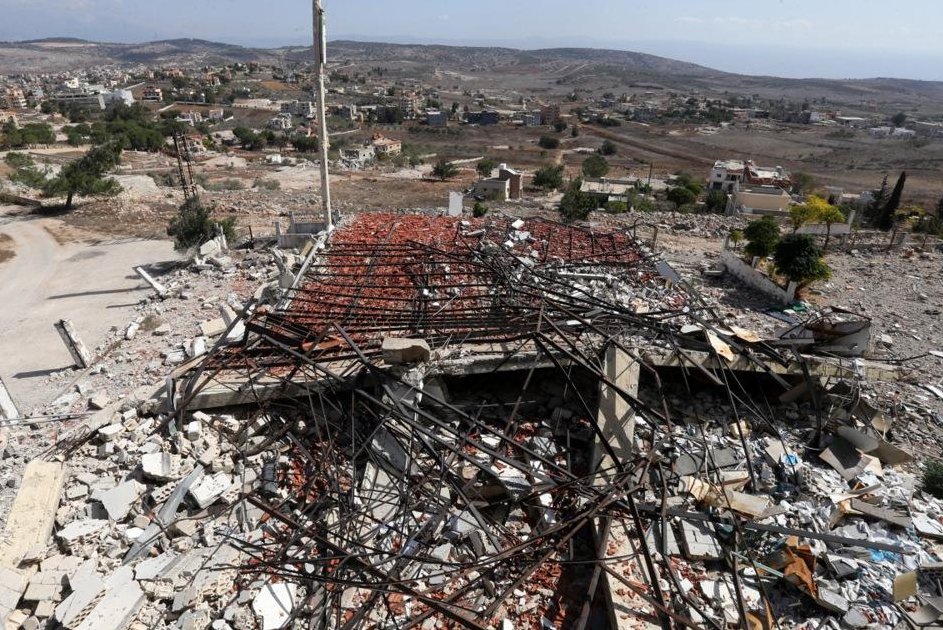
BEIRUT, Lebanon, Oct. 24 (UPI) -- The inhabitants of southern Lebanon continue to live under the shadow of war, enduring near-daily Israeli airstrikes, intensive shelling and persistent drone activity that inflict further casualties and destruction, deepen suffering and shatter what remains of daily life.
A cease-fire accord brokered by the United States and France on Nov. 27 intended to end Israel's devastating war against the Iran-backed Shiite Hezbollah militant group has failed to halt hostilities or restore calm to the embattled region.
Interpreting the truce accord as granting it the right to respond to any emerging threat, Israel has continued its attacks without restraint across southern Lebanon and beyond.
The post-truce phase has proven even more difficult and uncertain than the war itself, which began on Oct. 8, 2023, when Hezbollah entered the conflict by opening a front in support of Gaza.
Suspected Hezbollah positions and efforts to prevent the group from regrouping and rearming have not been Israel's only targets. The strikes now also include private construction equipment businesses, bulldozers, excavators and anything related to rebuilding while showing no restraint toward civilians -- whether in vehicles, on motorcycles or even at home.