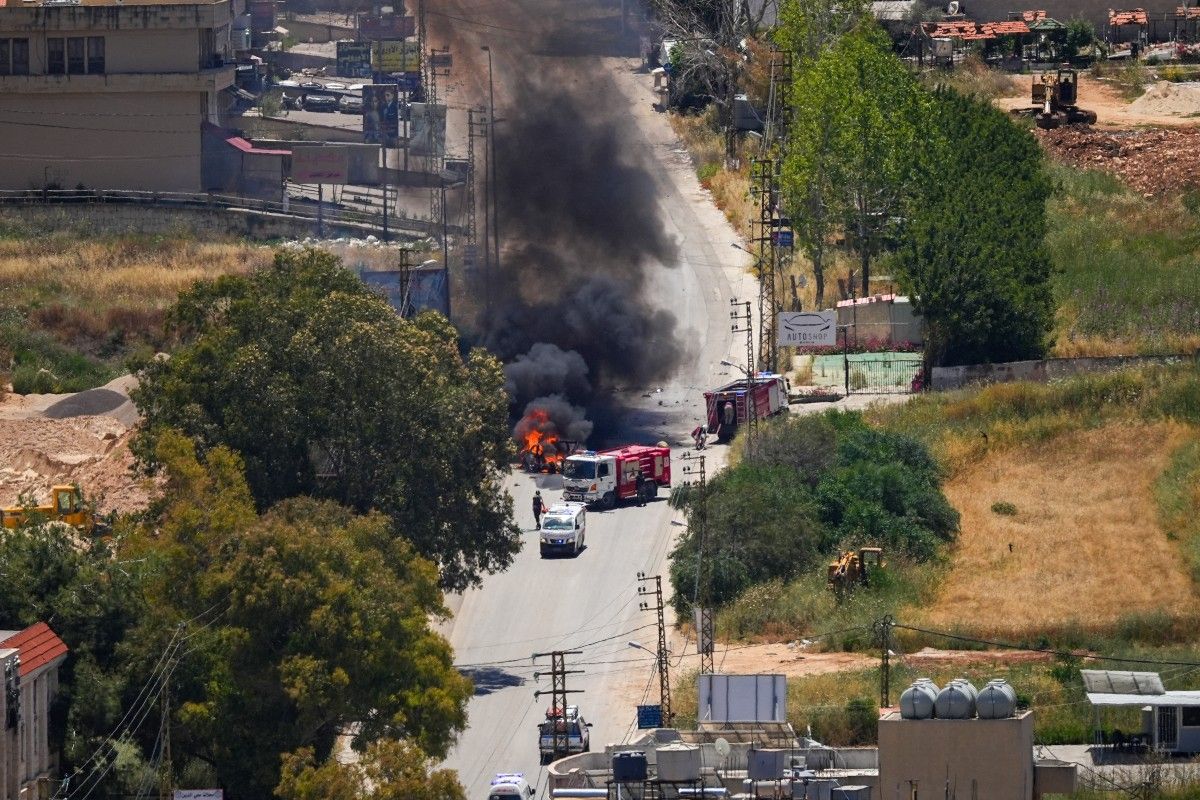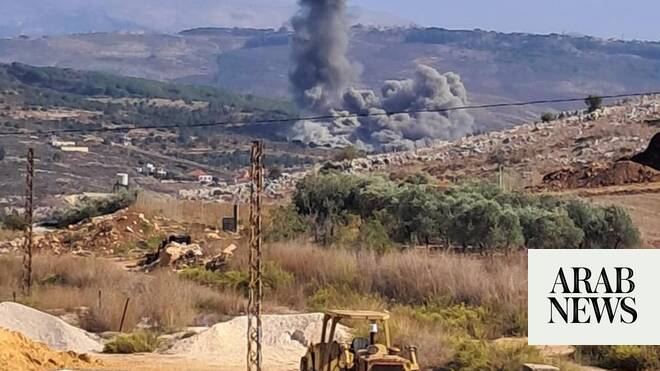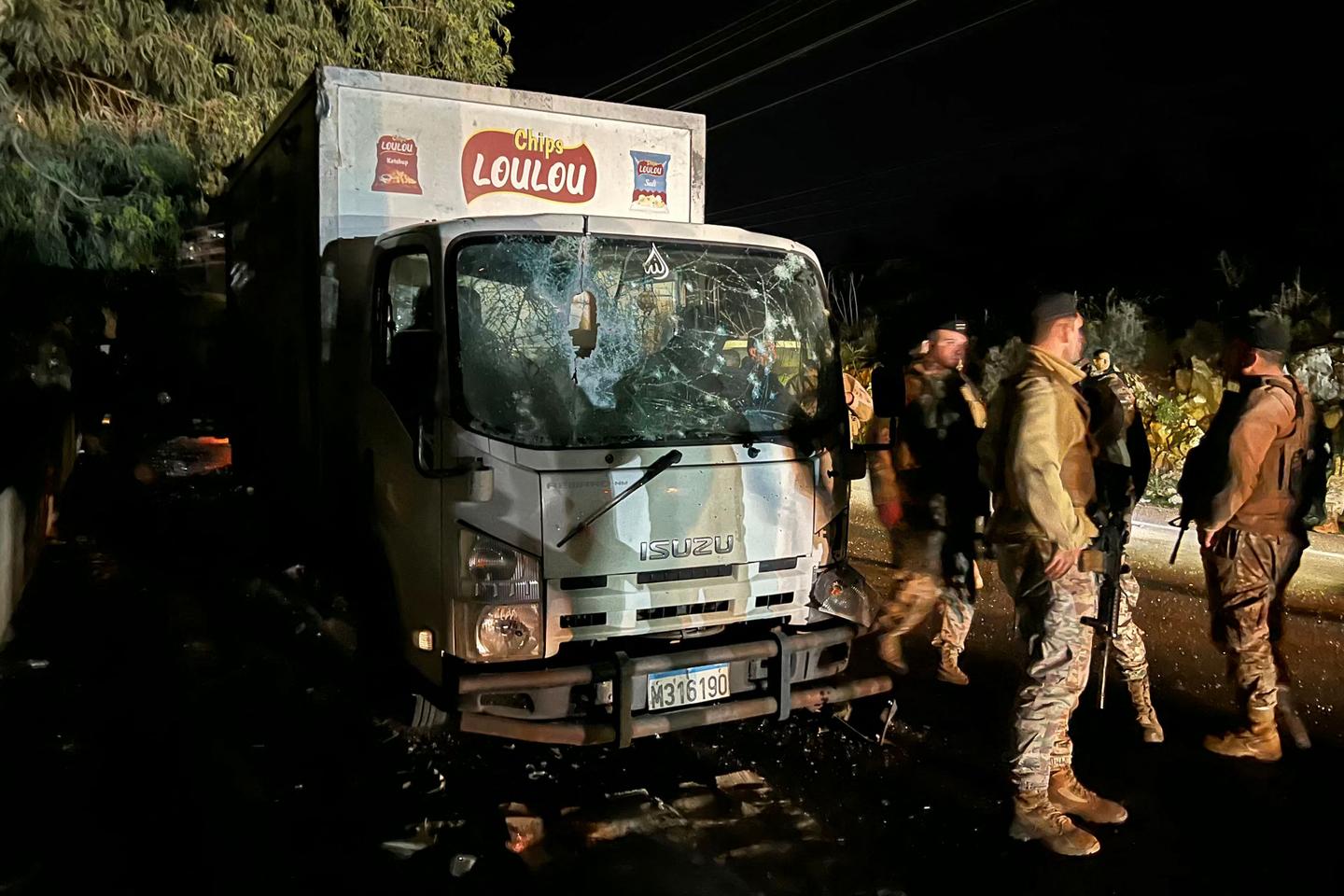
At the site of an Israeli drone airstrike in Sebline, southern Lebanon, December 16, 2025. MAHMOUD ZAYYAT/AFP
At the bottom of the steps leading down from her house in Abbasiyeh, southern Lebanon, Hanane Farfour scanned the sky. It was a "daily reflex" for this 42-year-old woman, who, every time she left her home, checked for Israeli drones, usually buzzing, but sometimes silent. On the morning of Friday, December 19, beneath the blue sky, there was no sign of white aircraft. Locals said this was an exception.
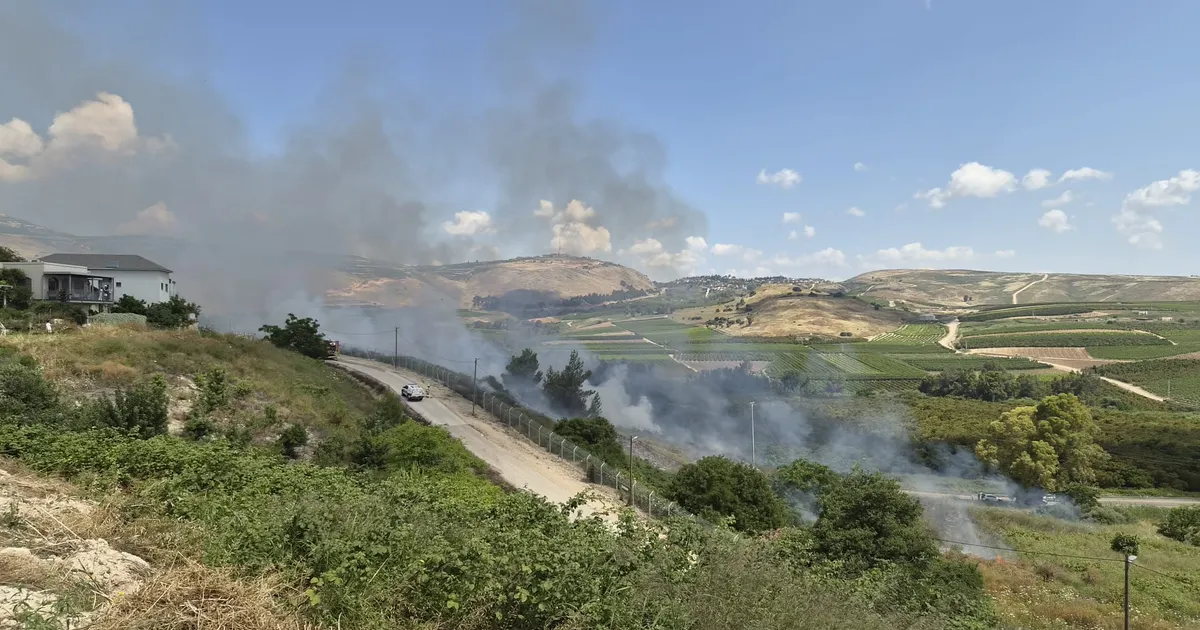
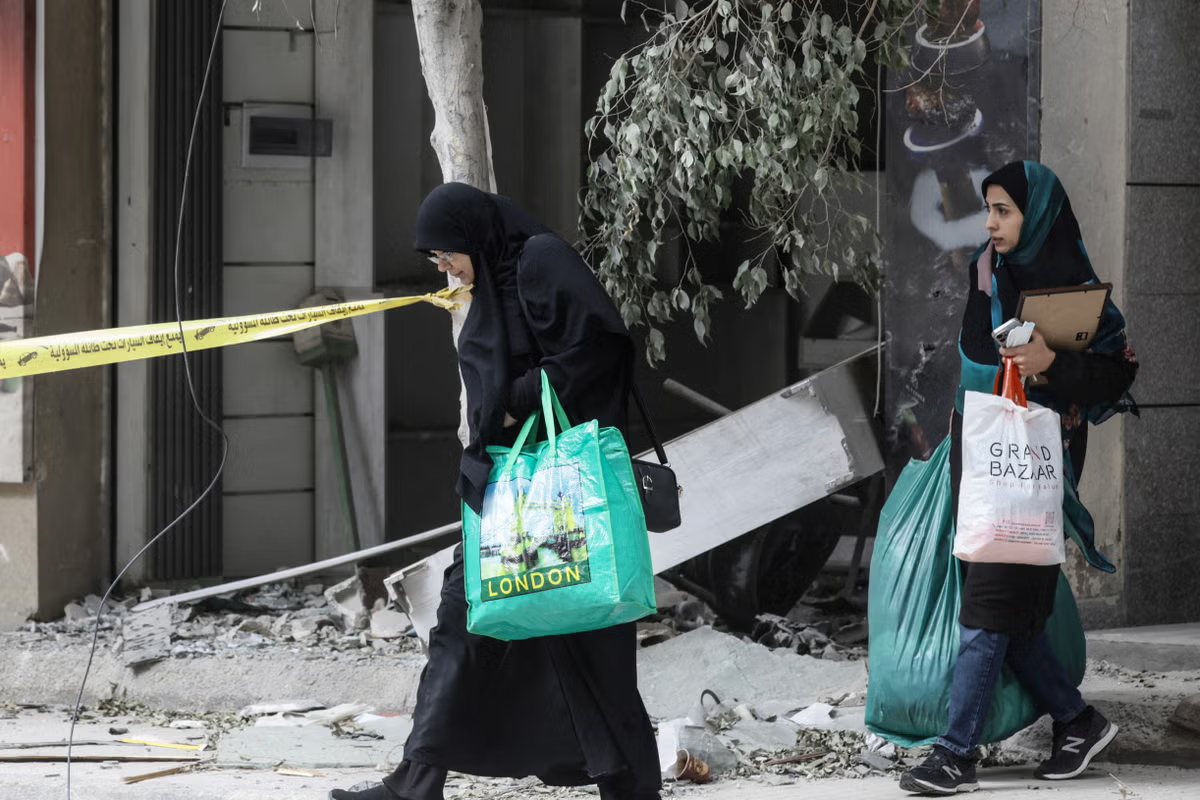
Day in and day out, Israeli drones make life miserable for people in southern Lebanon, many of whom are displaced. Whether carrying out reconnaissance or bombing missions, these drones have been omnipresent since the ceasefire of November 27, 2024, which was supposed to end hostilities – a two-month war in autumn 2024 that followed nearly a year of low-intensity conflict between Israel and Hezbollah. But Israel has continued its attacks in Lebanon. Strikes take place every week in the south, with the Israeli army claiming to target members or sites of the armed militia, an ally of Tehran. Civilians, however, have also been killed.
Subscribers only
Israel steps up military operations in Lebanon, Gaza Strip and West Bank