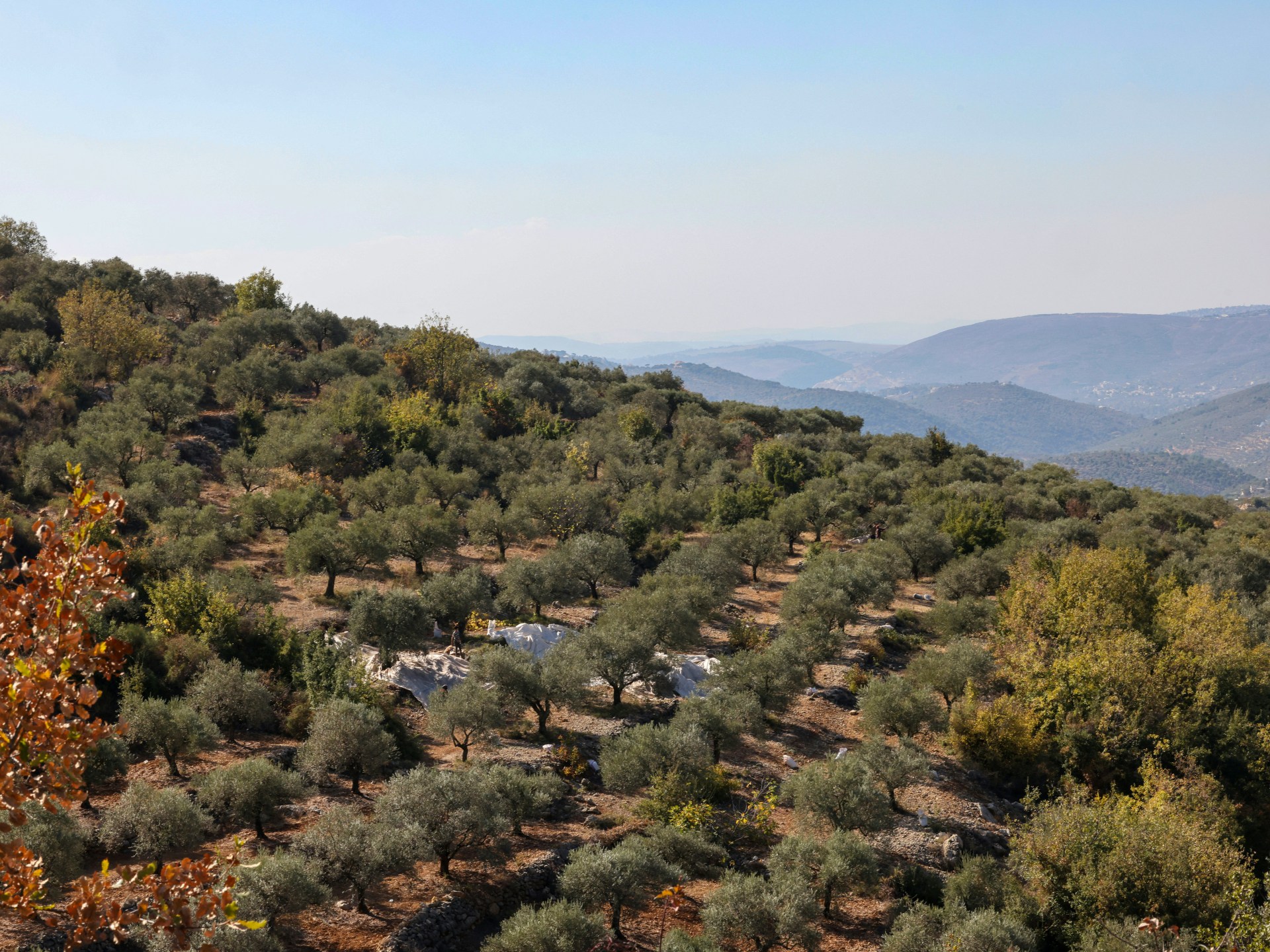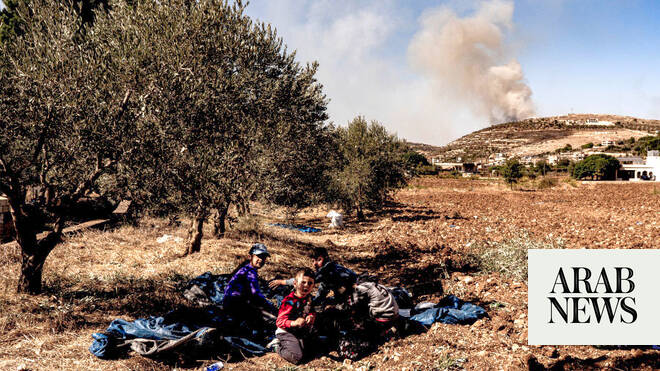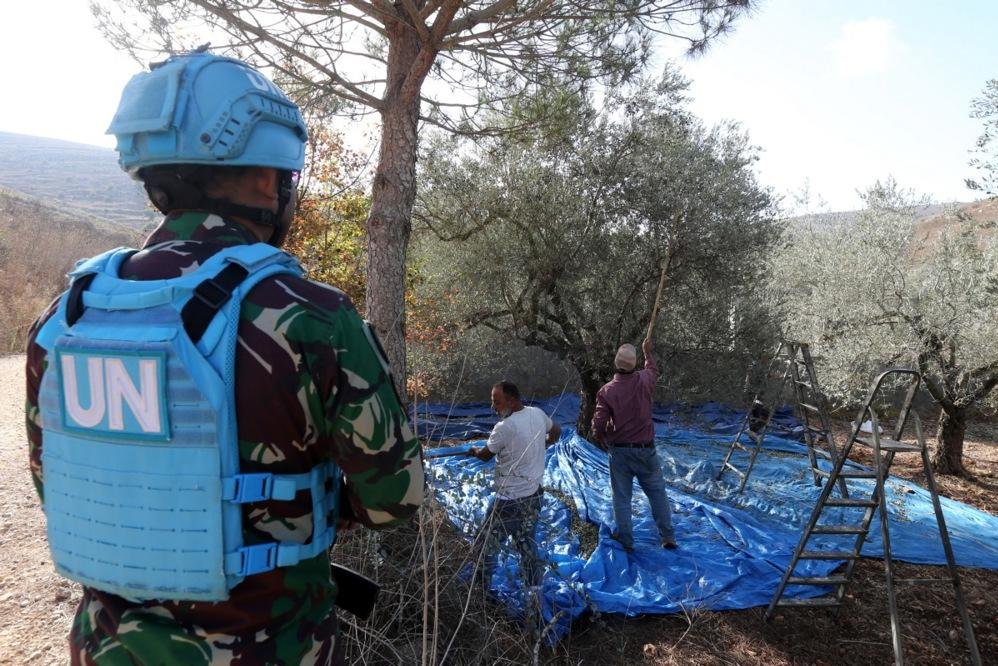
A United Nations Interim Force in Lebanon soldier stands guard as farmers harvest olives in the village of Odaisseh, located close to the Blue Line border with Israel, in southern Lebanon, in October. File Photo by Wael Hamzeh/EPA
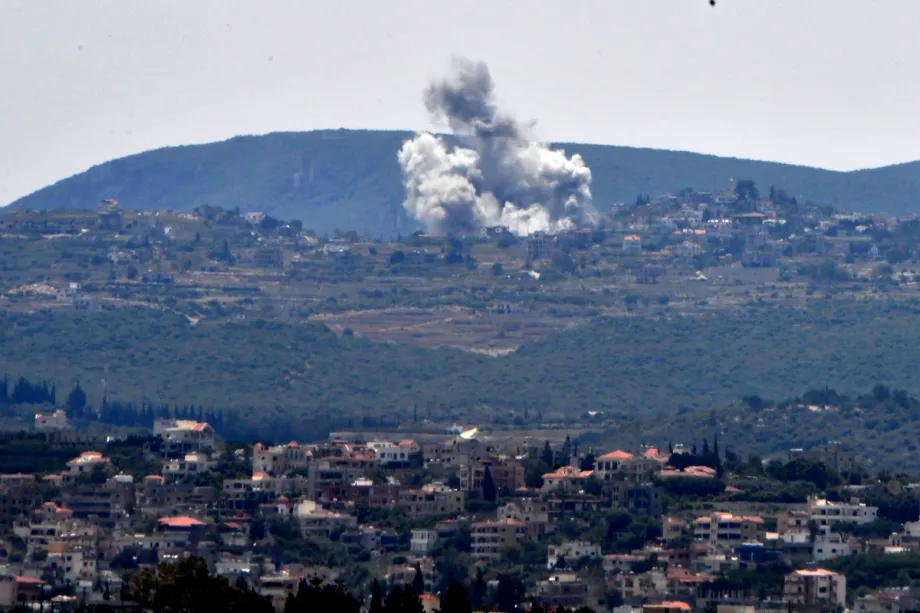
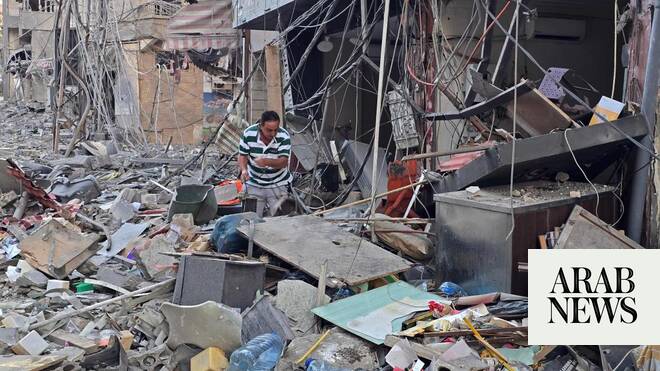
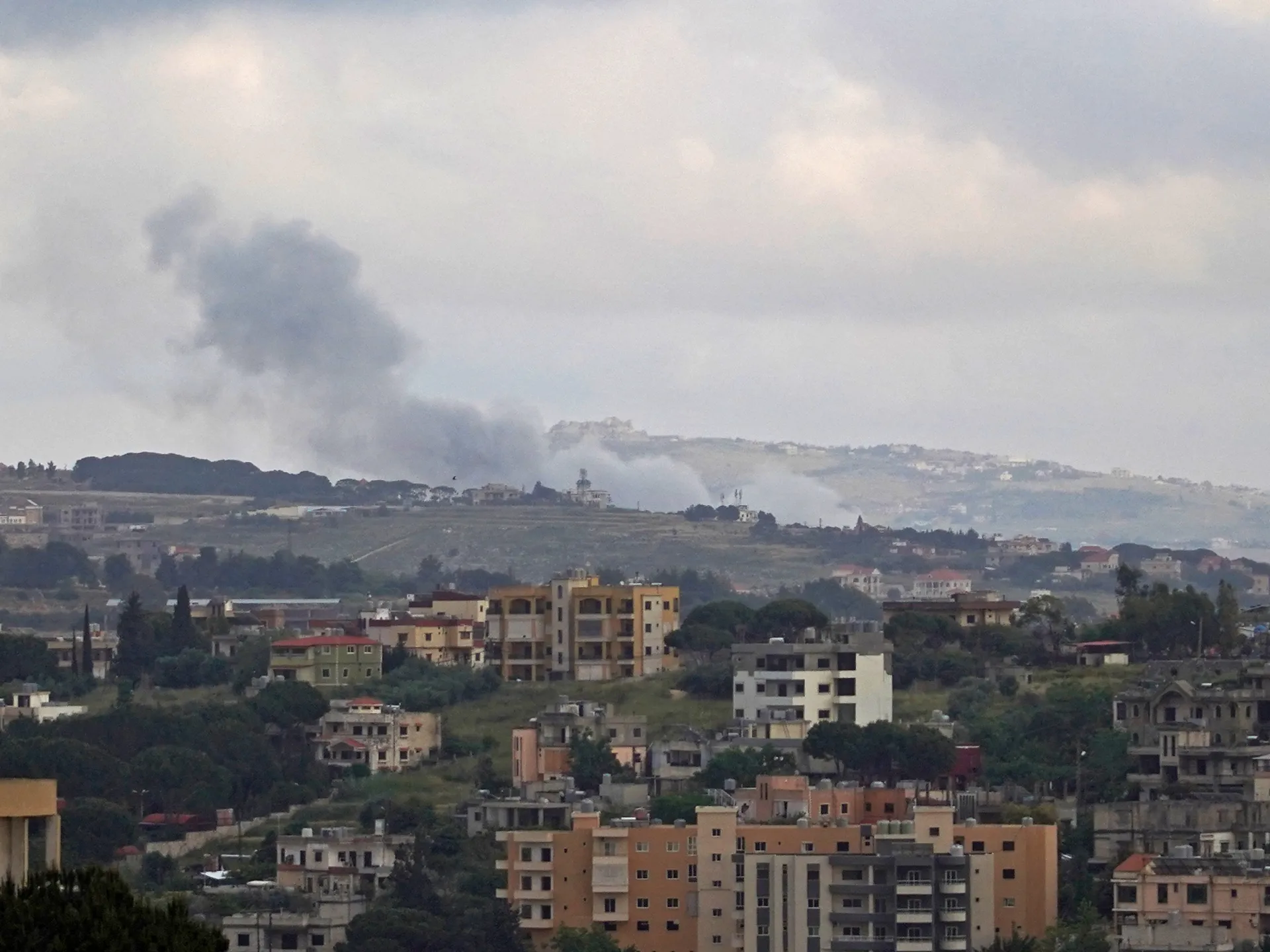
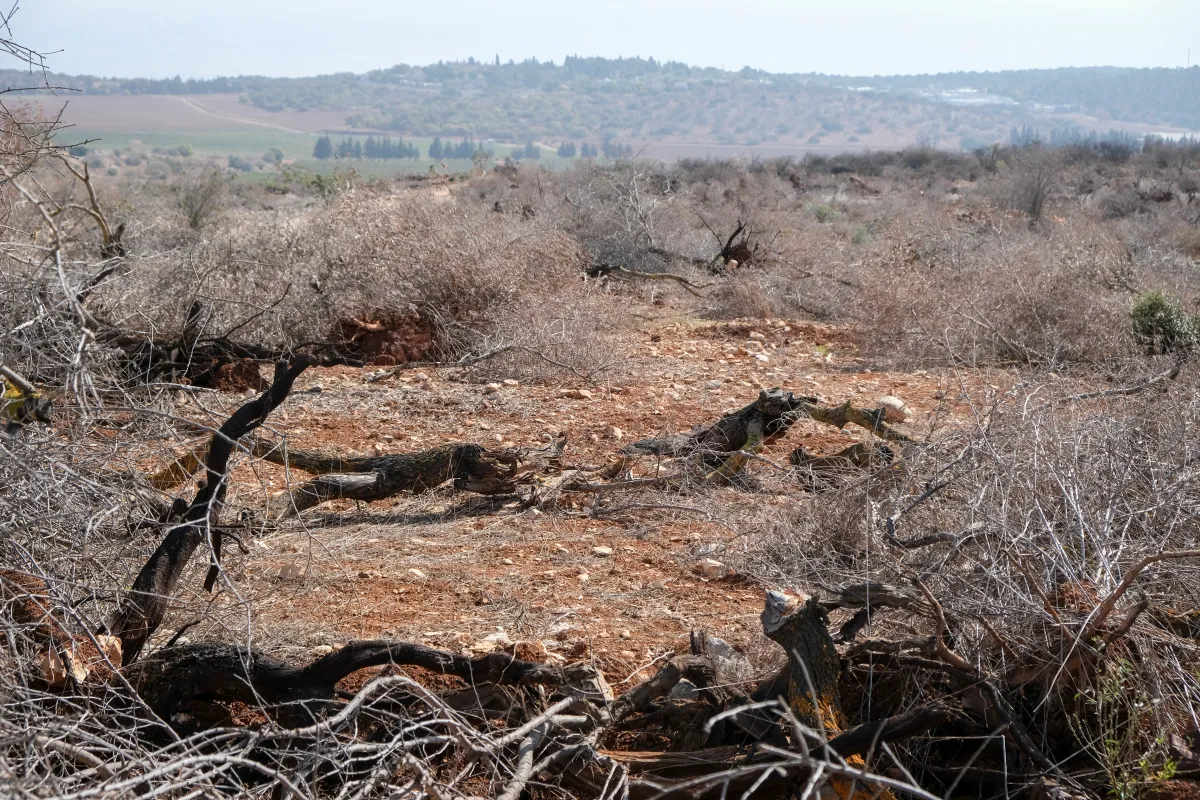
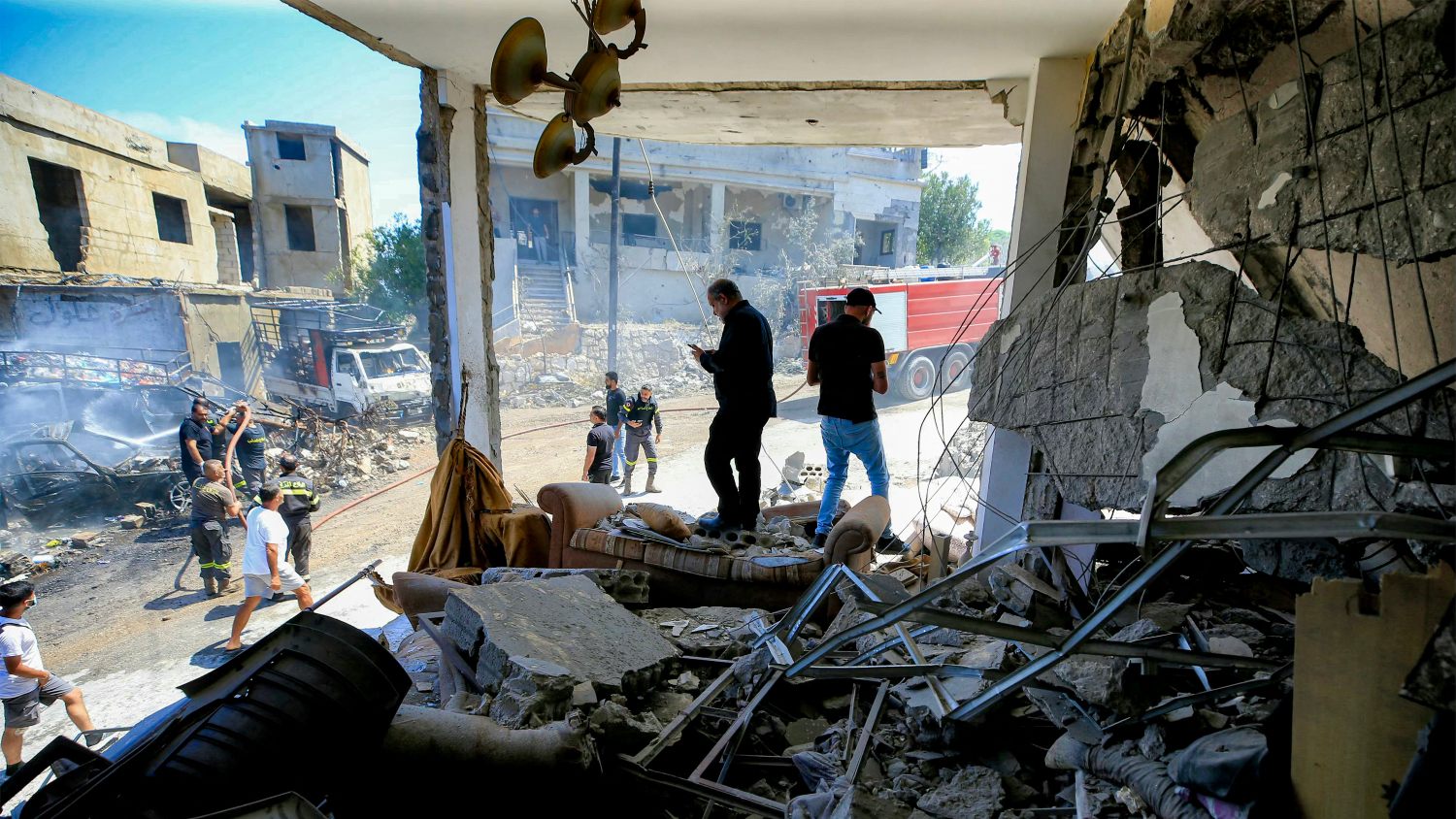
BEIRUT, Lebanon, May 22 (UPI) -- Lebanon's agriculture sector emerged as another victim of Israel's widespread attacks across southern Lebanon, damaging vast areas of farmland, displacing the majority of the region's farmers and threatening the country's food security, economic resilience and cultural identity.
The sector, which is key to Lebanon's economy and plays a vital role in sustaining rural communities and preserving cultural traditions, had not yet recovered from the impacts of the 2023-2024 war between Hezbollah and Israel when it was again hit by resumed hostilities in March.
The fresh escalation severely disrupted farming activities, with an estimated 22.5% of agricultural areas (56,264 hectares) damaged, including farms and greenhouses, and nearly 80% of farmers (more than 6,593) displaced and unable to access their land due to Israeli military activities, according to an updated report released by the Lebanese Ministry of Agriculture on May 5.
The report indicated that the most affected crops in the south are bananas (95%), citrus trees (97%), olives (91%) and small-scale farming, which accounts for 80% of Lebanon's total agricultural area.