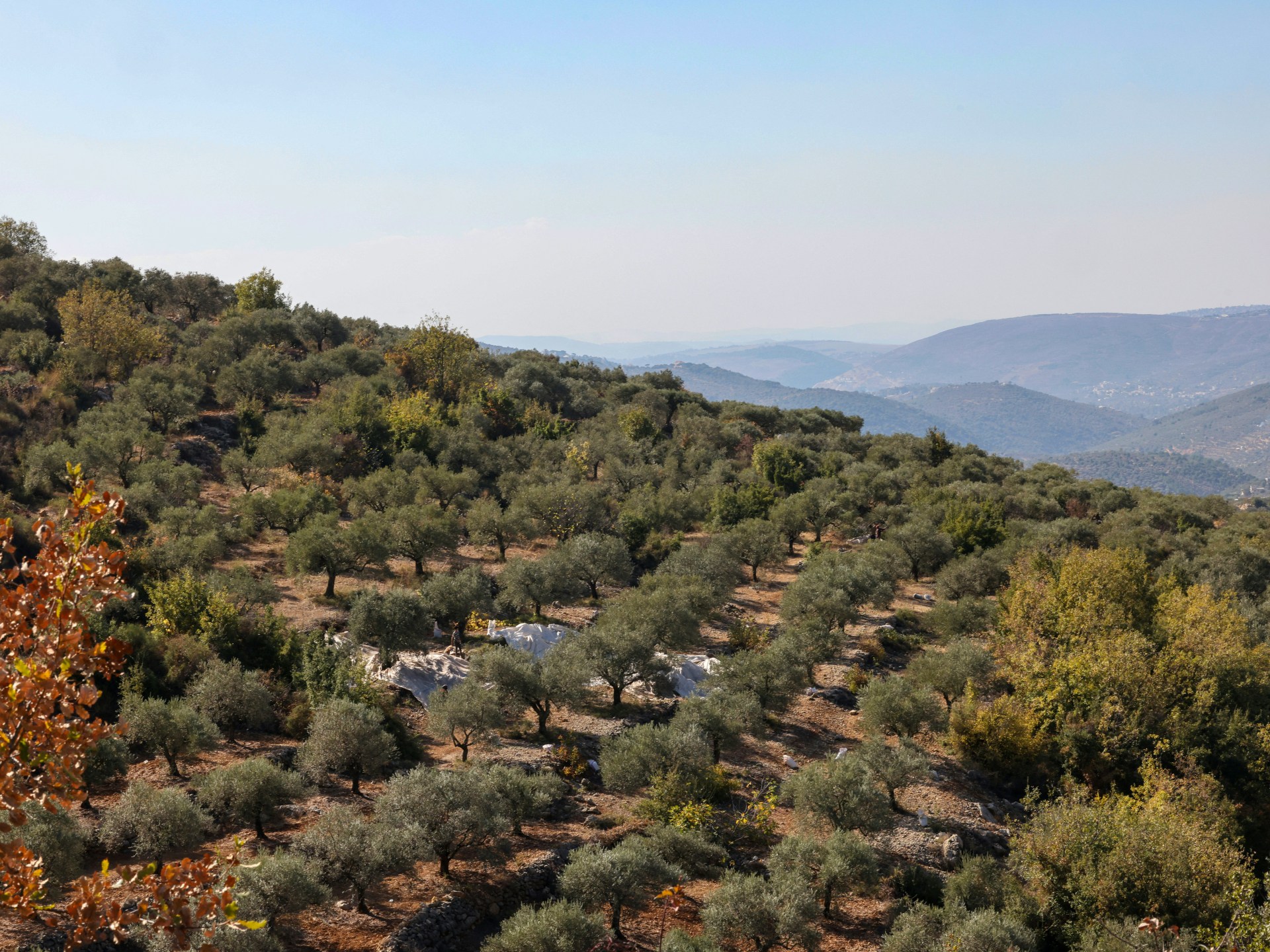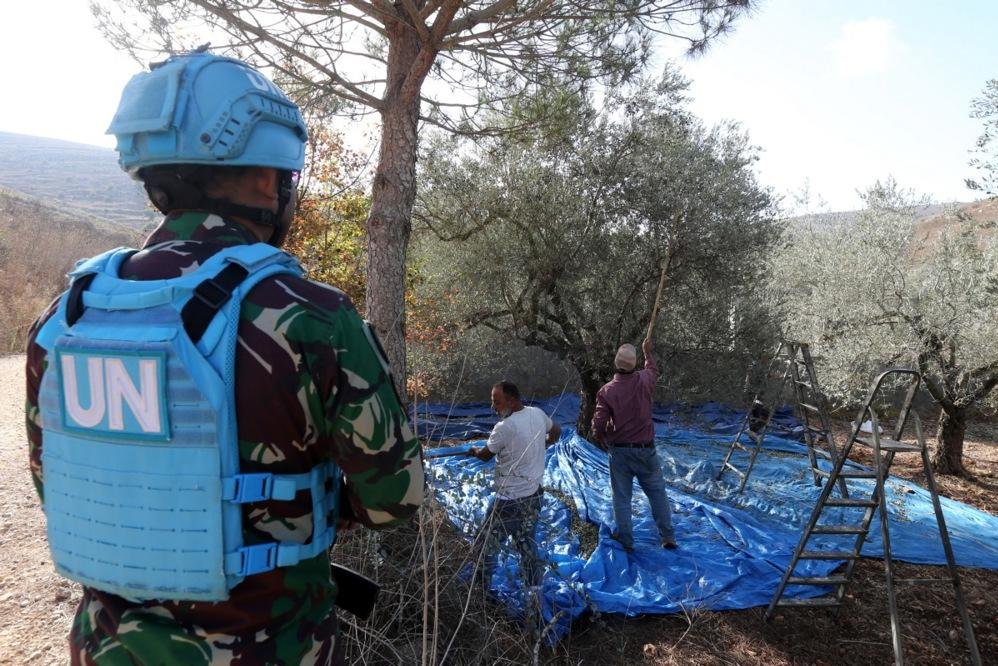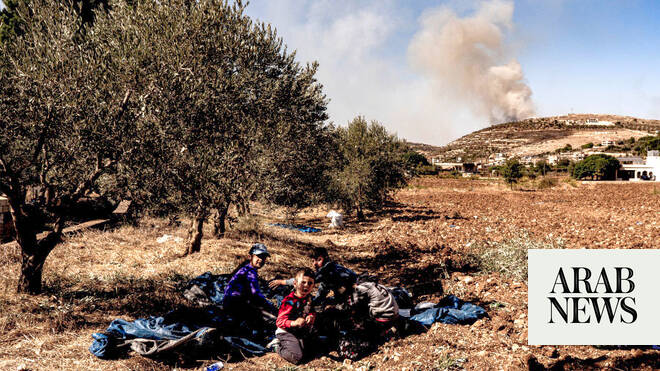
BEIRUT: Farmers in southern Lebanon have long held a fierce pride in their ancient olive groves. Many boast that their trees, which stretch along the border with Israel, contain specimens “dating back to the time of the pharaohs.”
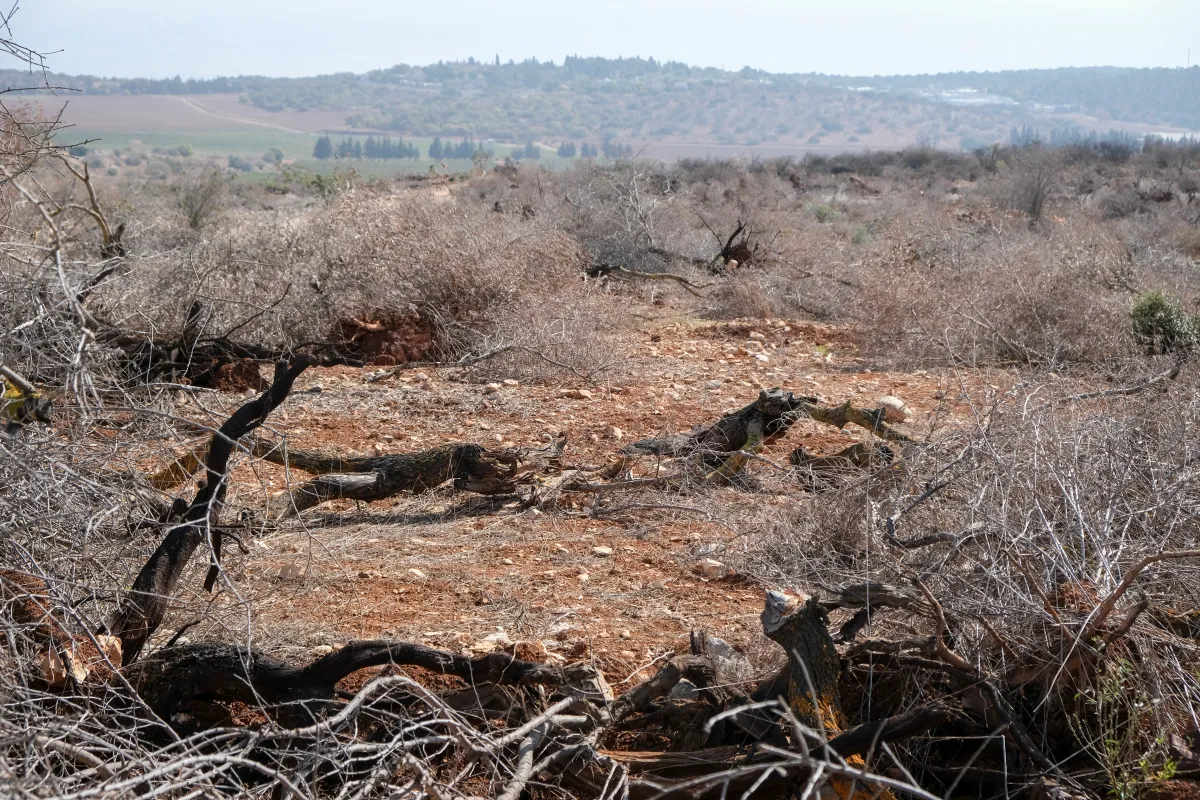
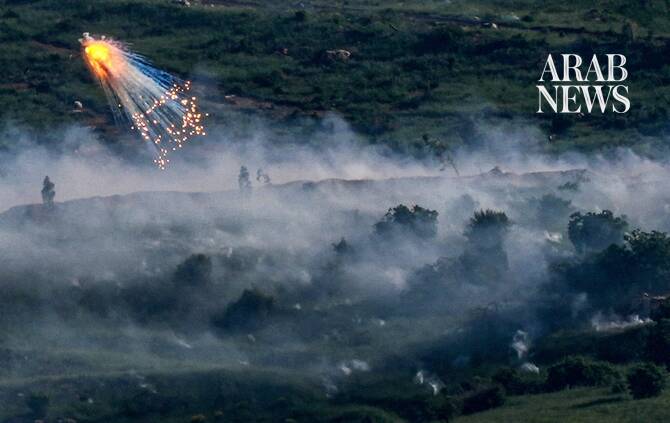
However, since the most recent war between Israel and Hezbollah, which ran from October 2023 to November 2024, these trees — the stoic, living witnesses of history — have become casualties of the destruction.
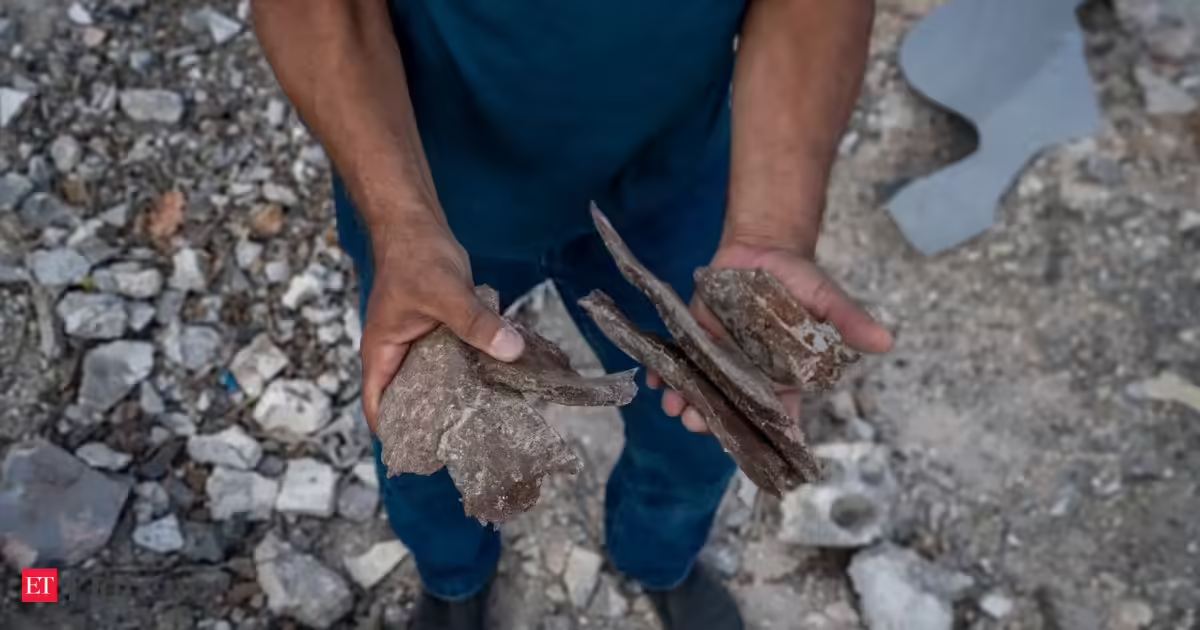
The bombardment was not confined to military positions. It struck at the heart of agricultural life in the south, destroying a heritage that provides the economic lifeline for tens of thousands of families.
Olives from the south account for 38 percent of the total olives grown in Lebanon, making their fate critical to the nation’s food security and identity.
The extent of the damage is starkly clear in the official assessments. Agricultural engineer Hussein Al-Saqa, the head of the Agriculture Department in the Nabatieh Governorate at the Ministry of Agriculture, confirmed the deep wounds inflicted on the region’s primary crop.