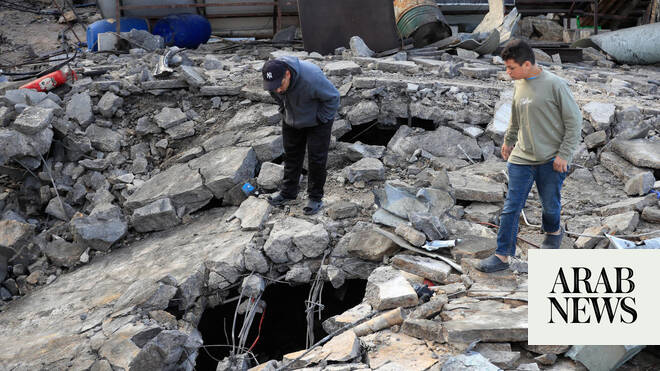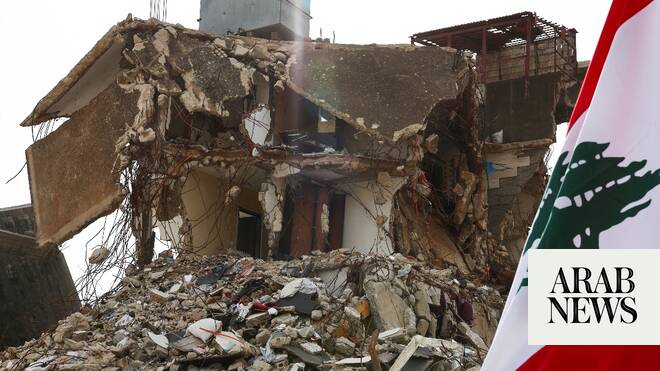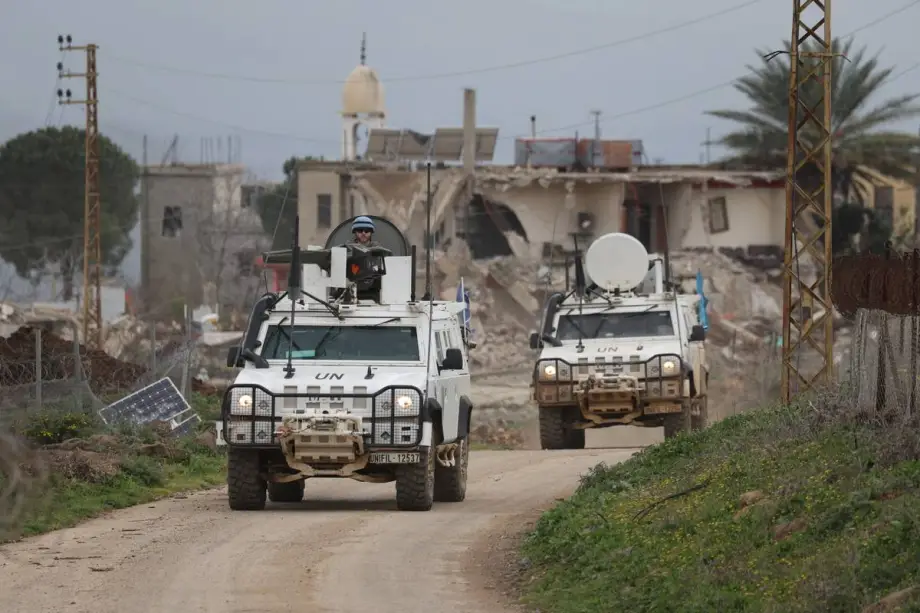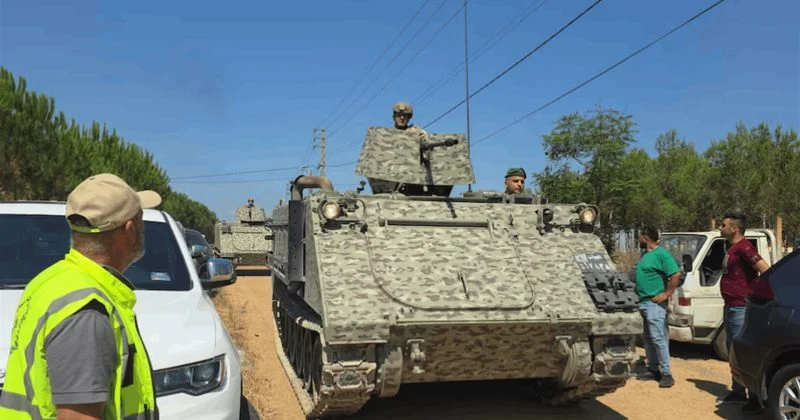
BEIRUT: A year after the guns fell largely silent along Lebanon’s southern frontier, the war is still killing — quietly, indiscriminately, and often unseen.
When the ceasefire between Israel and Hezbollah came into effect on Nov. 27, 2024, the country woke to a long-awaited calm. But the end of the bombardment did not mean the end of danger.
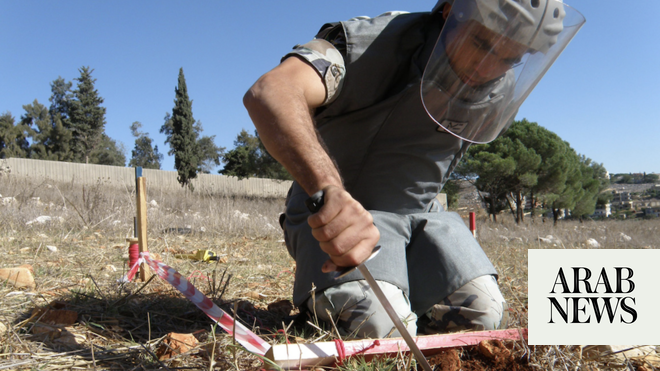
Daily Israeli violations persisted, and across the south, the Bekaa Valley and Beirut’s southern suburbs, a far more enduring threat lay buried beneath rubble, fields and roads: landmines and unexploded ordnance.
The scale of the bombardment Lebanon endured left behind a lethal mix of shell fragments, fuse remnants and unexploded artillery shells.
Much of this ammunition has become highly sensitive, capable of detonating with vibration or movement. For communities trying to return to normal life, it has turned routine activities — farming, construction, even clearing weeds — into potentially fatal acts.