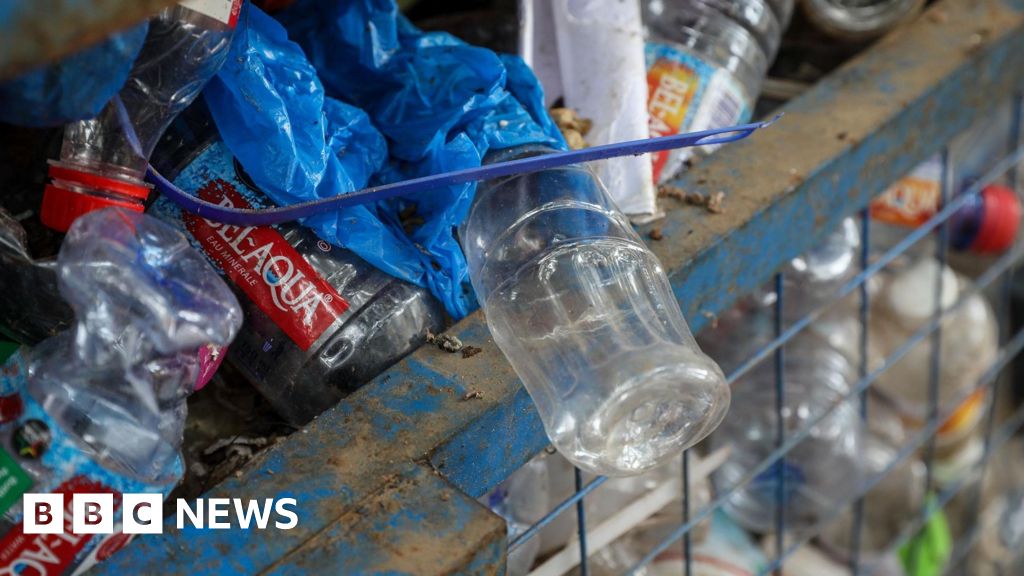
There is no debate that plastic pollution represents a significant challenge. International ambition has played an important role in elevating the issue on the global agenda, argues the writer.
Clemence Schmid
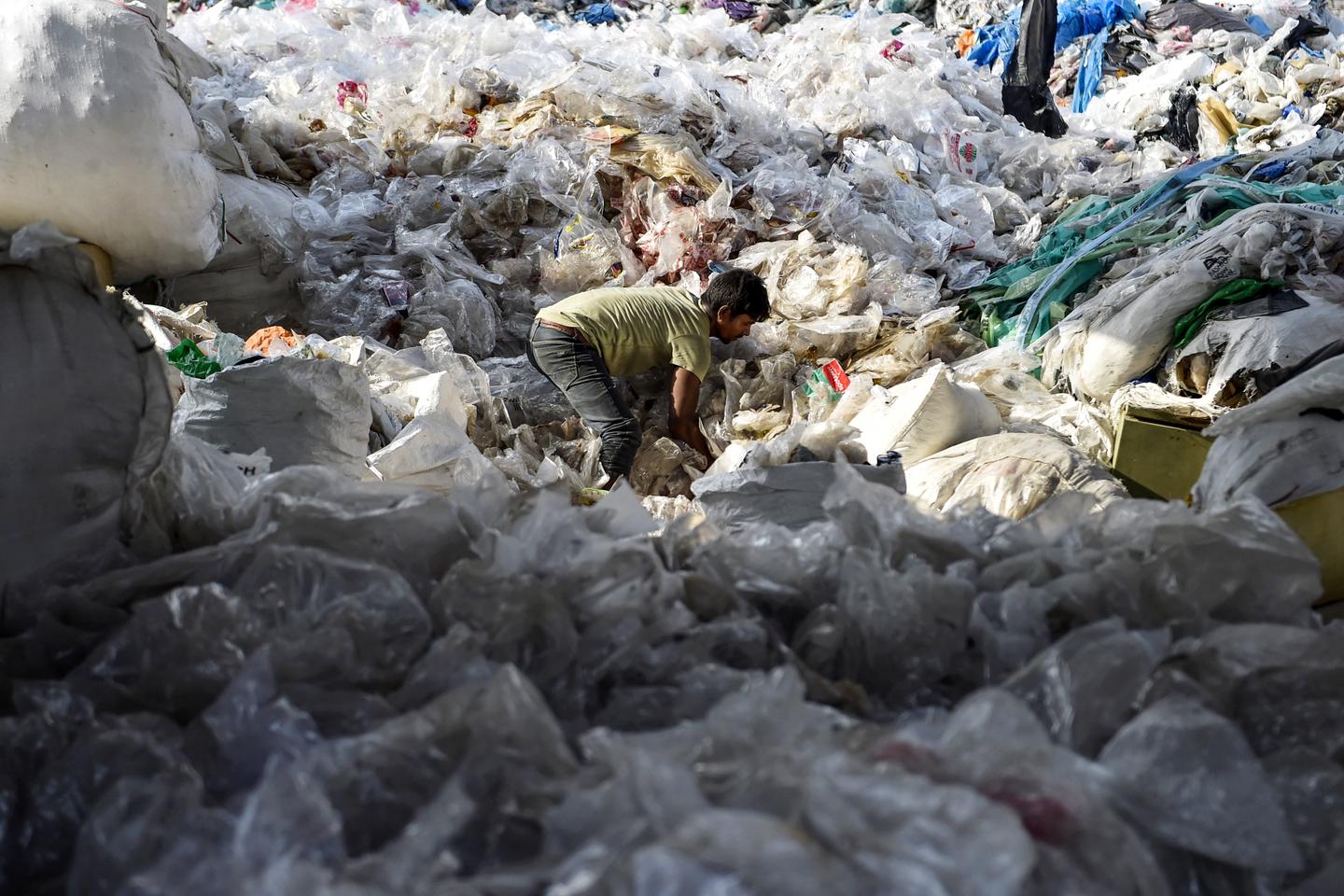
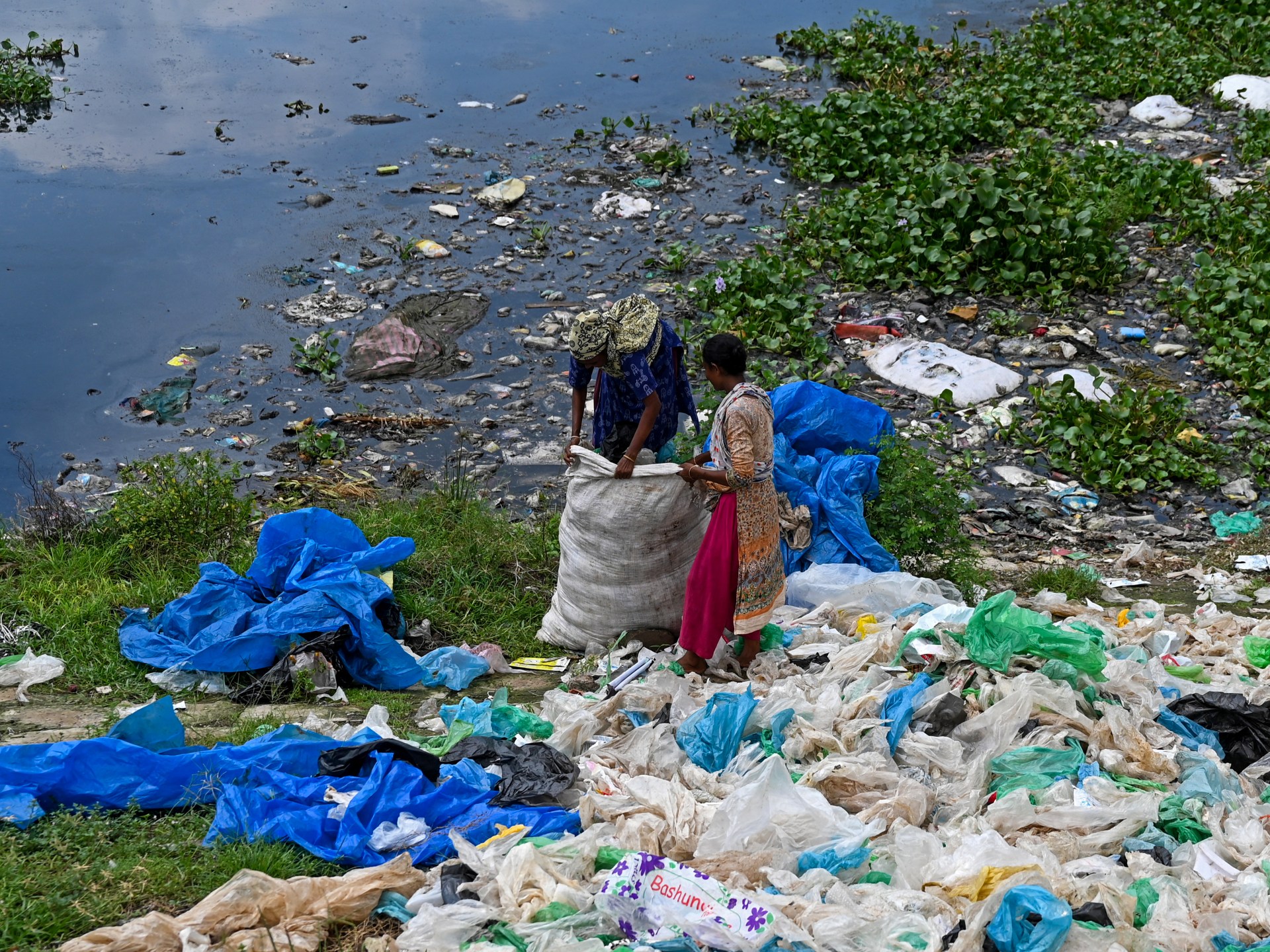
More than 460 million tonnes of plastic is produced every year, with around 19 million tonnes leaking into the environment, contributing to greenhouse gas emissions, harming biodiversity, and affecting livelihoods and public health. If current trends continue, global plastic use could triple by 2060.
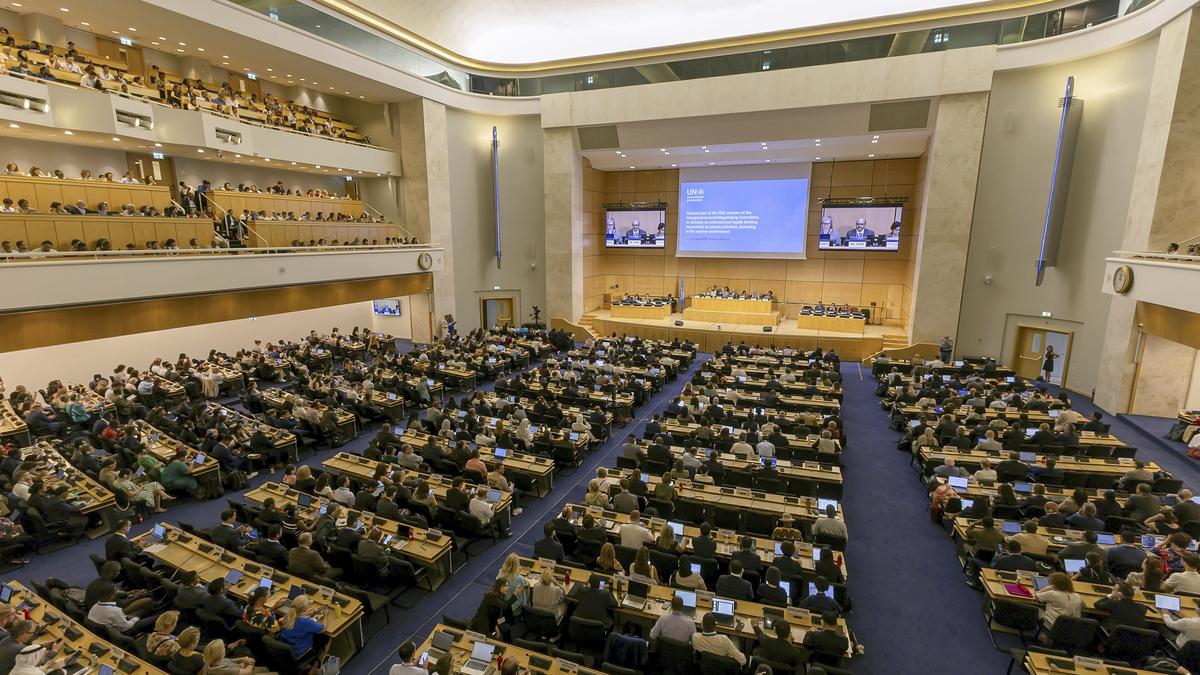
The transition to a circular economy for plastics is, therefore, becoming an economic, environmental and strategic imperative. From the recent gathering at London Climate Action Week to the upcoming UN climate change conference in Turkey and the next phase of Global Plastics Treaty negotiations, there is growing recognition that building a circular plastic economy will require transformation, not incremental change.
This is not just a waste issue. Plastic pollution is a systems failure, driven by inefficiencies across the full material lifecycle, from production and design to use and recovery. Treating plastic solely as waste overlooks its broader economic dimension: lost material value, increased system costs and growing pressure on natural resources. Together, these challenges represent a $4.5 trillion missed economic opportunity.