Thursday 30 July 2026 5:45 am
| Updated:
Wednesday 29 July 2026 12:19 pm
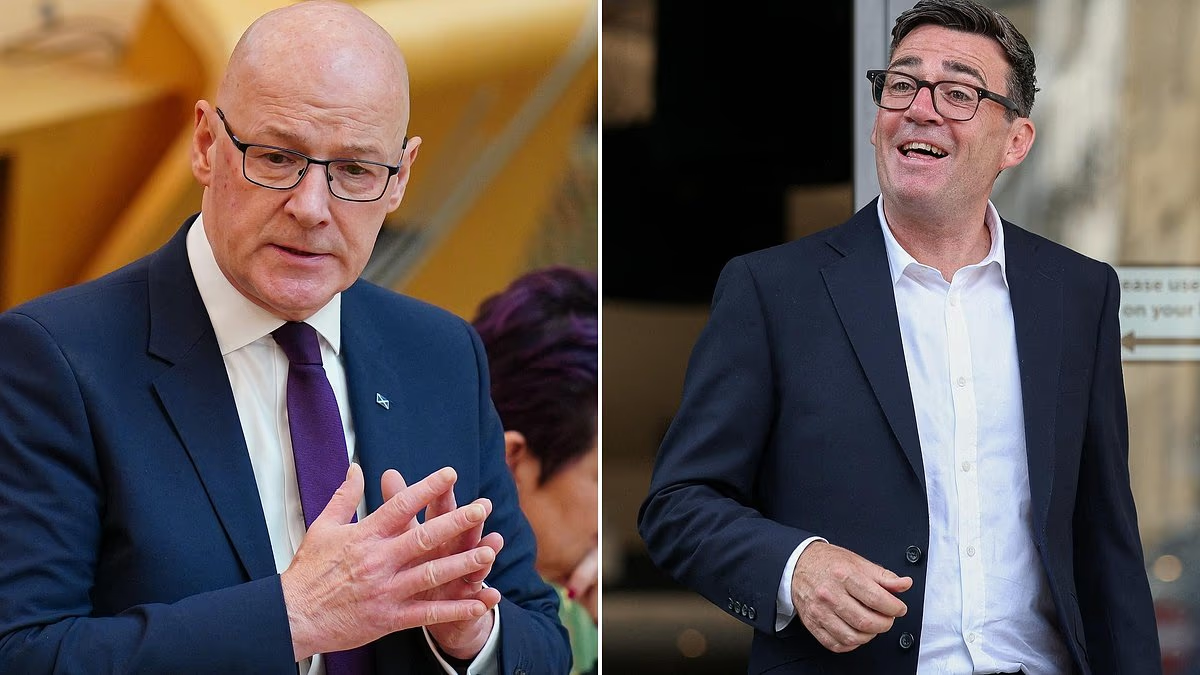
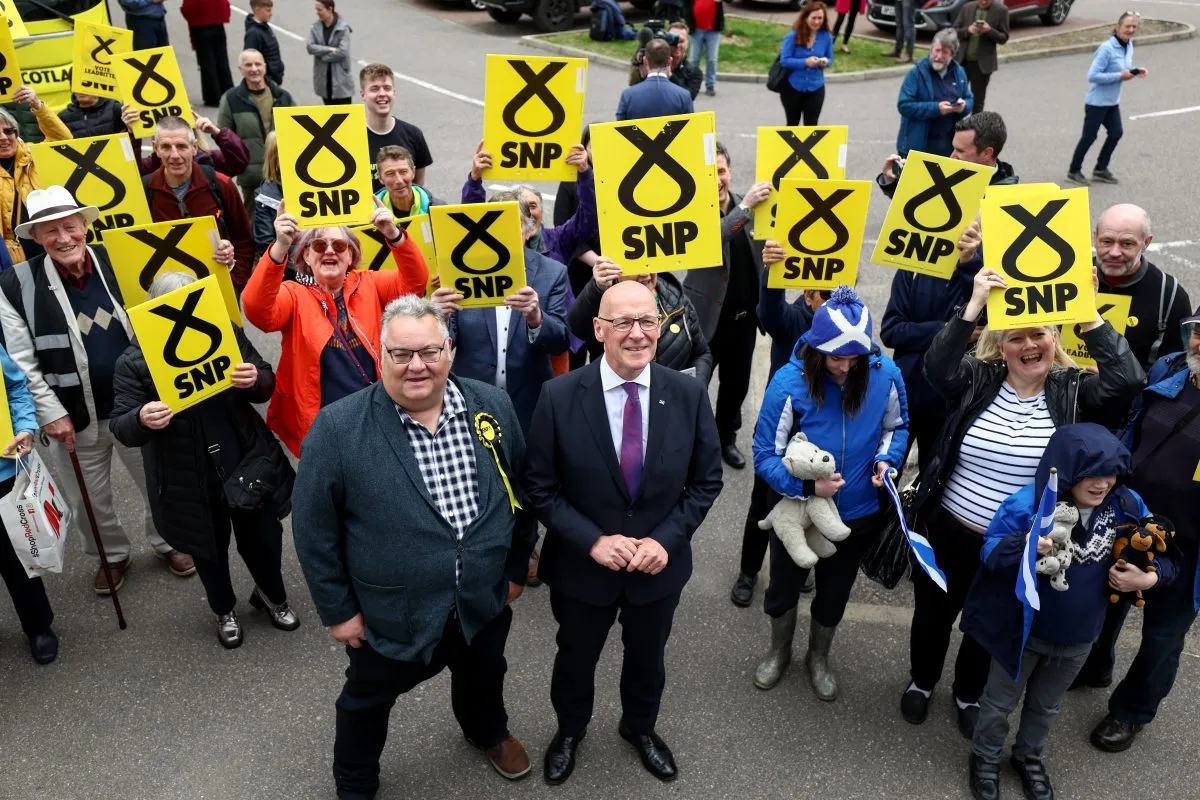
John Swinney's food price cap policy has been dubbed 'economics of the madhouse'
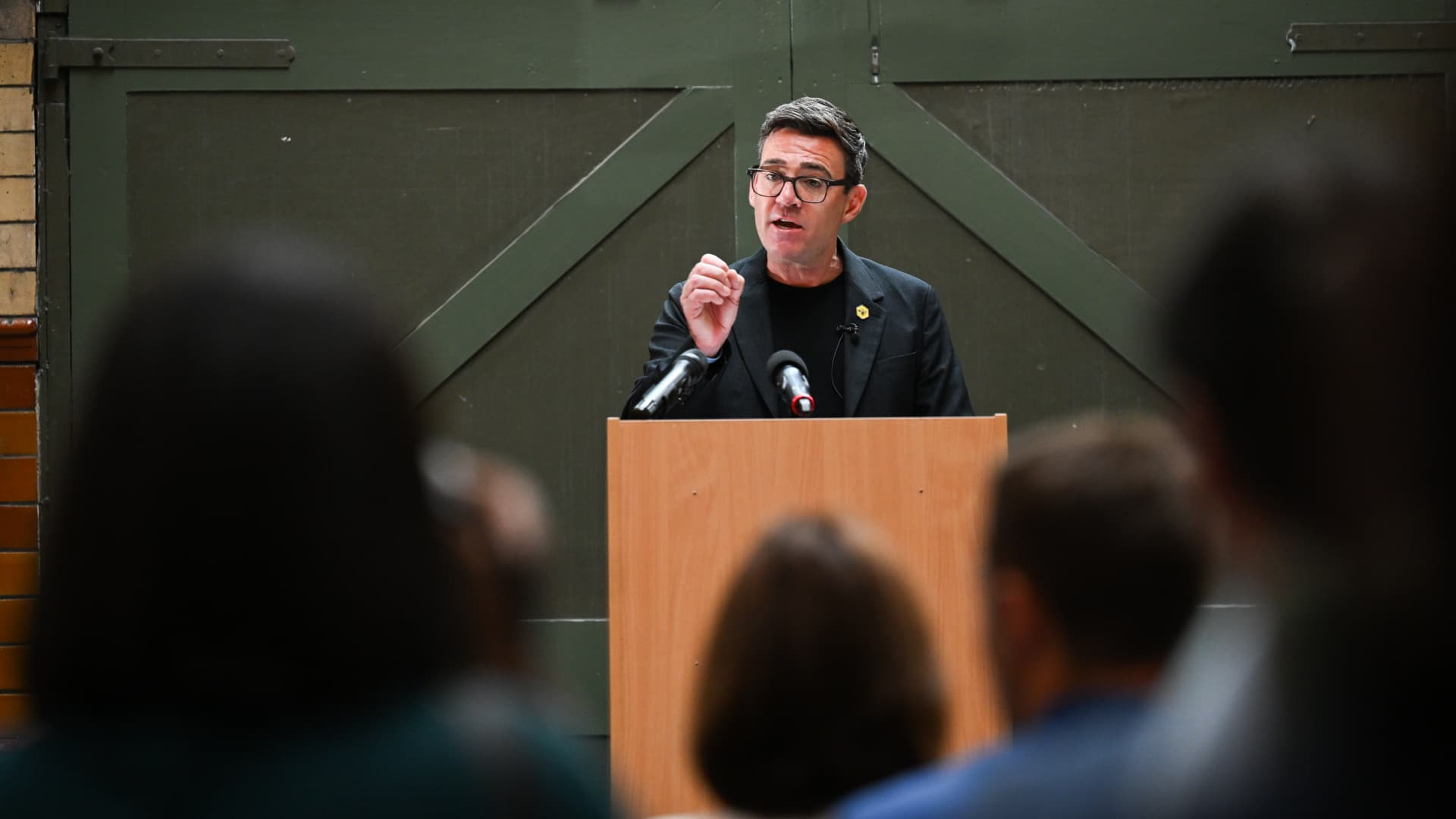
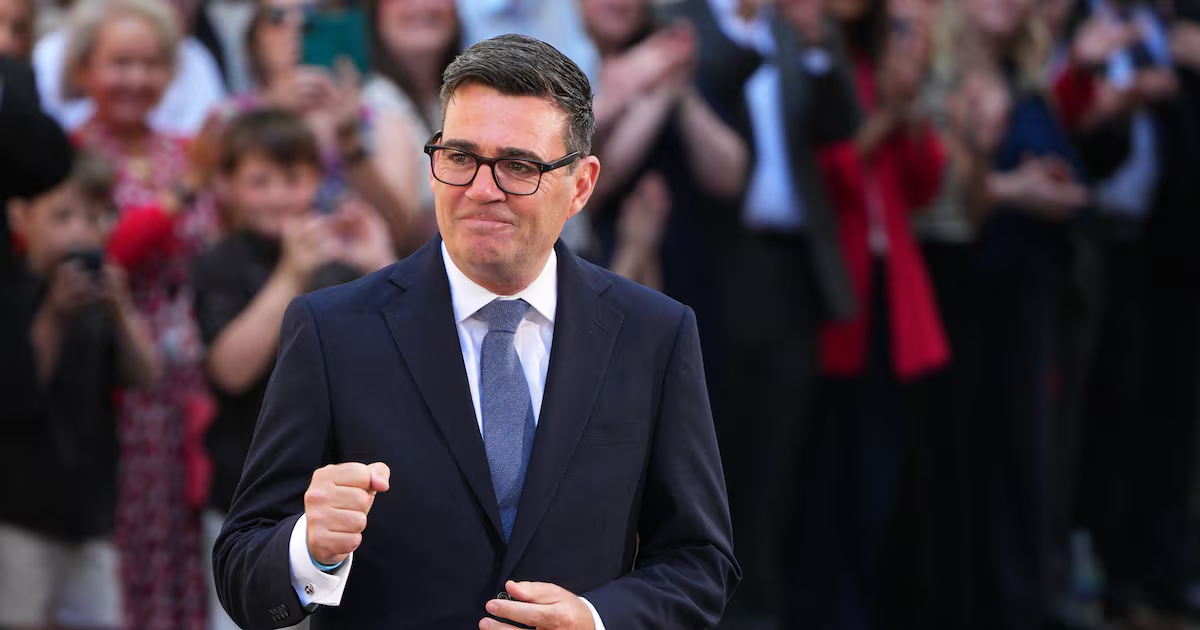
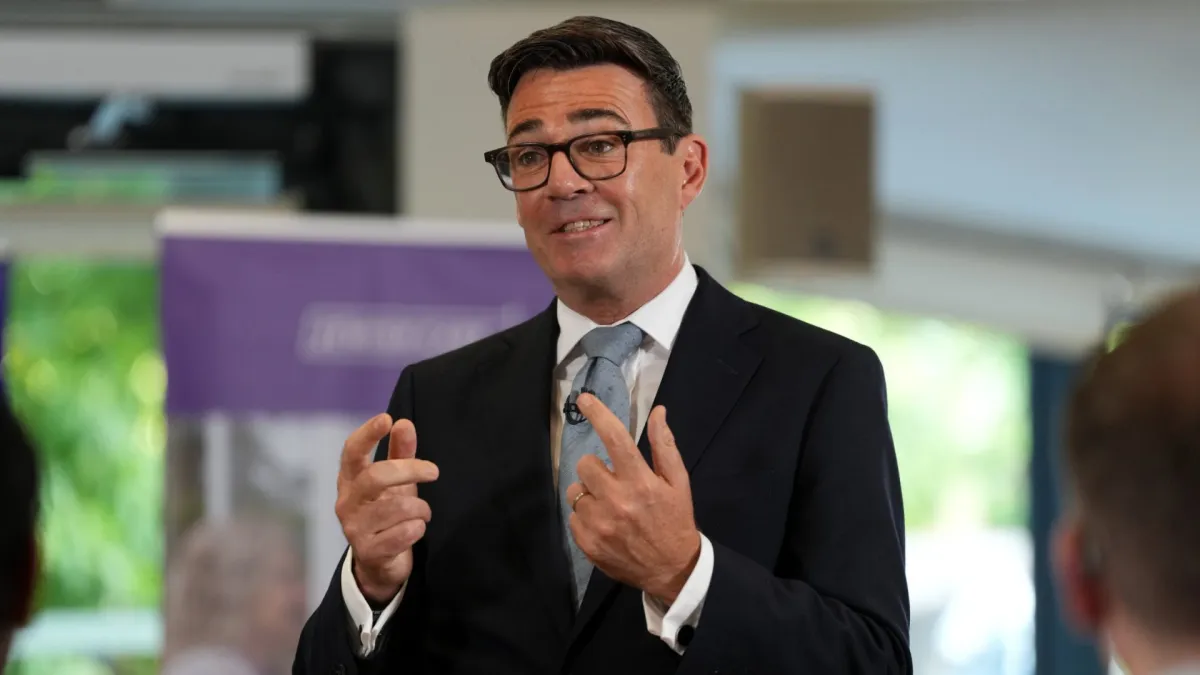
For an idea of what left-wing devolution yields, look no further than Scotland, where SNP statist’s efforts to extort the wealthy have backfired, writes Joseph DinnageFor a socialist, Andy Burnham has a funny approach to central government. Unlike his forebears across the former Soviet Union, southeast Asia and Latin America, the King of the North will not rule from the centre with an iron fist. Rather, Burnham has promised the “biggest rebalancing of power this country has ever seen”, establishing Number 10 North in Manchester – the ‘situation room’ for regional growth. His disdain for Westminster is nothing new. As Mayor of Manchester, Burnham made a name for himself facing down central government during the Covid pandemic. When Boris Johnson decided to impose tier-three restrictions on the region – the toughest measures – Burnham won plaudits for pushing back, arguing that the level of financial support was not commensurate with the damage the restrictions would wreak on the local economy. Drawing on this experience, Burnham has pledged to delegate (or abdicate, if you prefer) several political responsibilities to local leaders. Control over local transport systems (think Burnham’s Manchester-based Bee bus network) and essential services such as water and energy will be given to local authorities in an effort to boost growth. Yet there’s little evidence to suggest it will do anything of the sort. Left-wing devolution has a habit of backfiring. Falling over the Laffer curveTake Scotland, whose tax-setting powers have increased regularly since 1999. According to tax expert Dan Neidle (who it should be added is a member of the Labour Party), the Scottish government’s decision to raise the top rate of income tax to 48 per cent has seen tax receipts decline. Data from 2024-25 suggested that this has cost the Scottish government £22m. It “may have fallen over the Laffer curve”, Neidle claims. Over a period of almost a decade, Scotland has increased the top rate of income tax above the UK-wide level of 45 per cent on earnings above £125,140. To avoid forking cash over to the state, wealthy Brits north of the border have been creative, paying themselves in dividends or sacrificing income for pensions contributions. On his website Tax Policy Associates, Neidle claimed that the £22m was a “conservative estimate” and may rise to about £30m. Is this what Burnham’s devolution revolution will look like? Statists in various local administrations across the country being given the power to extort the wealthy? Only yesterday, the Adam Smith Institute found that the number of British millionaires has dropped to its lowest level in nearly two decades. Despite being PM and having been in politics since the 90s, Burnham’s devolution project will have the effect of positioning his opponents as the Westminster establishment. Yet those opponents should not shy away from the fact that growth, public services, and technological capacity require a programme of radical reform which begins in Westminster.