Tuesday 23 June 2026 5:24 am
| Updated:
Tuesday 23 June 2026 9:55 am
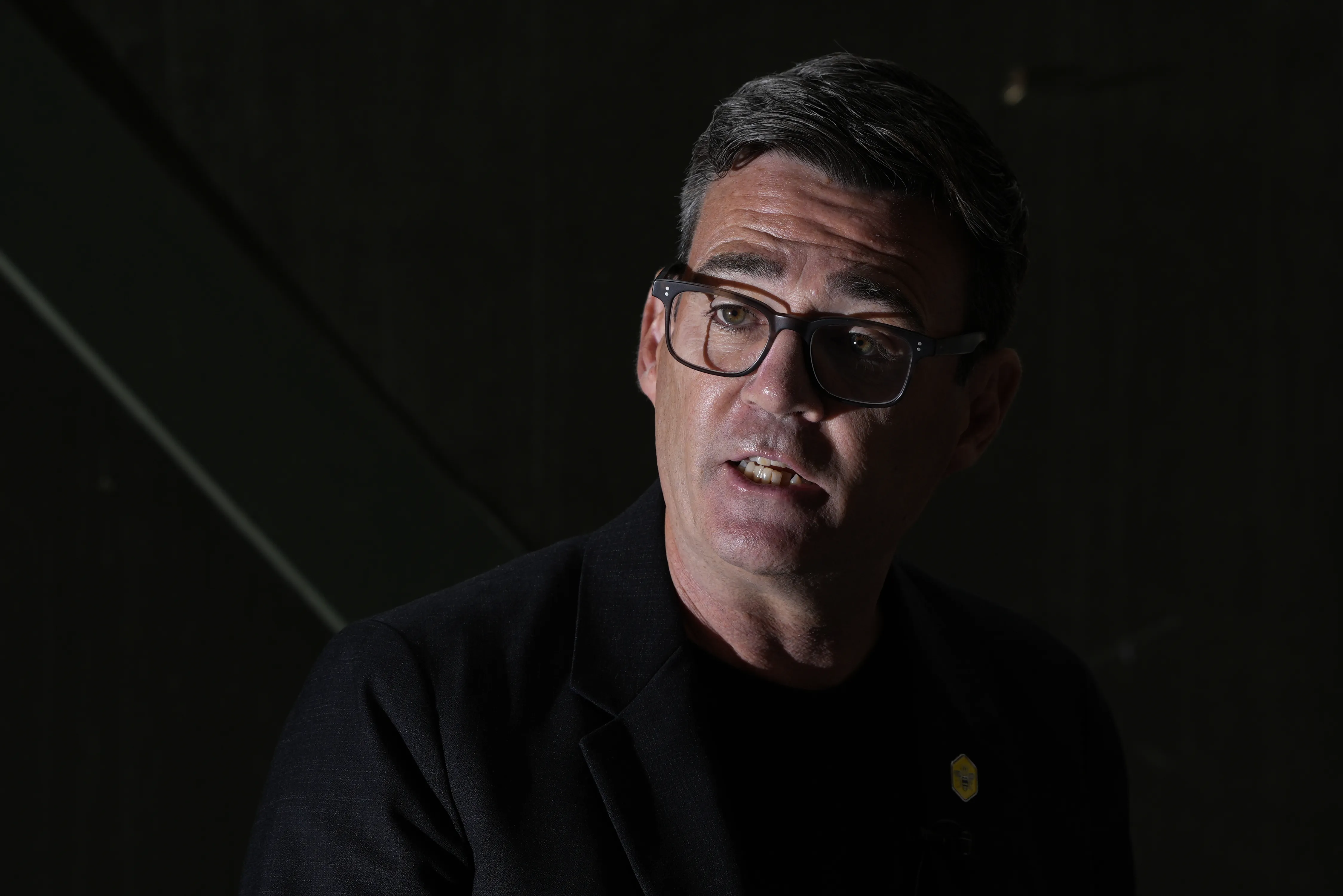
(Photo by Ryan Jenkinson/Getty Images)
The political economy of an Andy Burnham government is clear, it will be radically interventionist: nationalising failing utilities like Thames Water, investing in the green transition – and seeing the Iran War as a spur to the ultimate energy security of renewables plus nuclear; building a progressive economy of opportunity and prosperity for all, says John McTernanA Blairite, a Brownite, and a Corbynite walk into a bar. “What are you having, Andy” asks the barman. “No 10, as it happens!” The joke often told at Andy’s expense has a new punchline – and a substantive point.Andy Burnham is a Blairite. He worked in partnership with the private sector in Manchester to develop the city centre and to create the – “Bee Network” the local public transport network that integrates buses, trains, and trams. As Tony Blair’s Political Secretary I saw Andy face down health unions demanding an end to the use of the private sector. He is also a Brownite. He passionately cares about tackling inequality – regional inequality and the poverty and inequality that cripple the lives of too many. His commitment to radical devolution owes a lot to Gordon Brown.In addition, Andy can also fairly be seen as someone who learned from Corbyn’s success in 2017 when the country surged to a Labour Party with a strongly interventionist political economy. We see that in Andy Burnham’s full-throated rejection of “neoliberalism” and his clear desire to nationalize the failing Thames Water.When Andy Burnham becomes Prime Minister, as he will – for who is interested in being crushed by him in a purely cosmetic contest? – he will form a radical government. That is partly because he will rebase Labour firmly on its radical 2024 manifesto. Expect that he will supercharge planning deregulation and particularly focus on speeding up critical national infrastructure. He will see local councils as the key to achieving the housing numbers that Labour have promised. Bringing together the land that the government owns and the £49bn in the National Housing Bank could see a renaissance in council house building.Bring back ideologyThe thing that Andy Burnham brings back to politics is ideology. Manchesterism or Burnhamism provides a real spine to his government. Margaret Thatcher had an ideology and it meant that her policy unit was able to have a simple question for government department’s proposals “is there a more market-oriented solution to this problem”. They found there always was. Ideology clarifies, simplifies and gives strategic direction – you never need to ask the boss what they think when they have told you.The political economy of an Andy Burnham government is clear, it will be radically interventionist: nationalising failing utilities like Thames Water, investing in the green transition – and seeing the Iran War as a spur to the ultimate energy security of renewables plus nuclear; building a progressive economy of opportunity and prosperity for all. That’s why Ed Miliband is the right choice for Chancellor – he is no stranger to the Treasury from the days when he chaired Gordon Brown’s Council of Economic Advisers.The biggest advantage that an ideology gives you is a driving purpose, a North Star (pun intended – one of the last ads in Andy’s campaign was Lemn Sisay’s wonderful poem celebrating the North). Andy Burnham has been careful, during his by-election campaign, not to challenge the policies of the Starmer government. But Burnam’s strategy is clear – you achieve a new economy through new politics. So he will devolve more powers to Mayors – skills and the ability to shape the local labour market is likely to be top of the list and he will create more mayors. You will see a cost of living package that meets the immediate crying need of voters combined with long term strategies to modernise the grid and electrify the economy. Behind it all, the questions that will drive the Burnham government’s actions: does this reduce inequality, for regions and for families; does this increase sustainability in the face of climate crisis?Andy Burnham resoundingly beat Nigel Farage and Reform in Makerfield. Incoming Prime Minister Burnham will have to defeat the mood of pessimism and declinism that defines current debate about the UK’s future.John McTernan is a political strategist and commentator and former adviser to Tony Blair