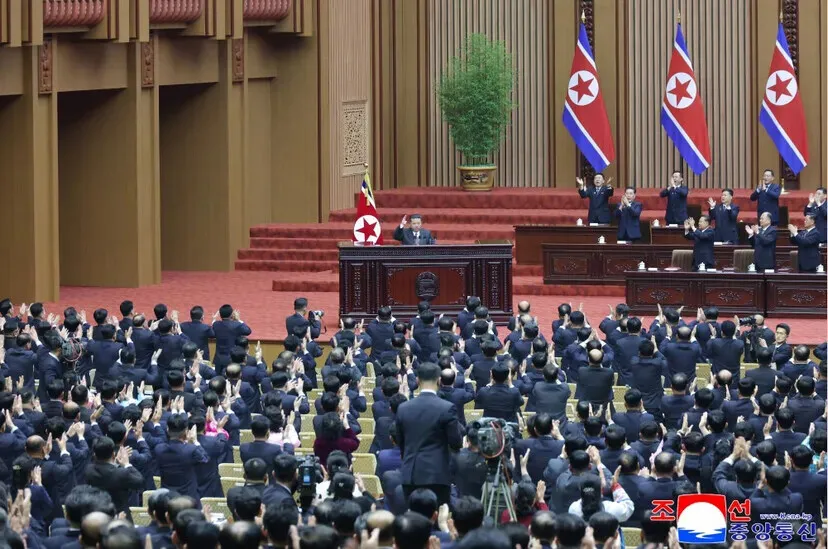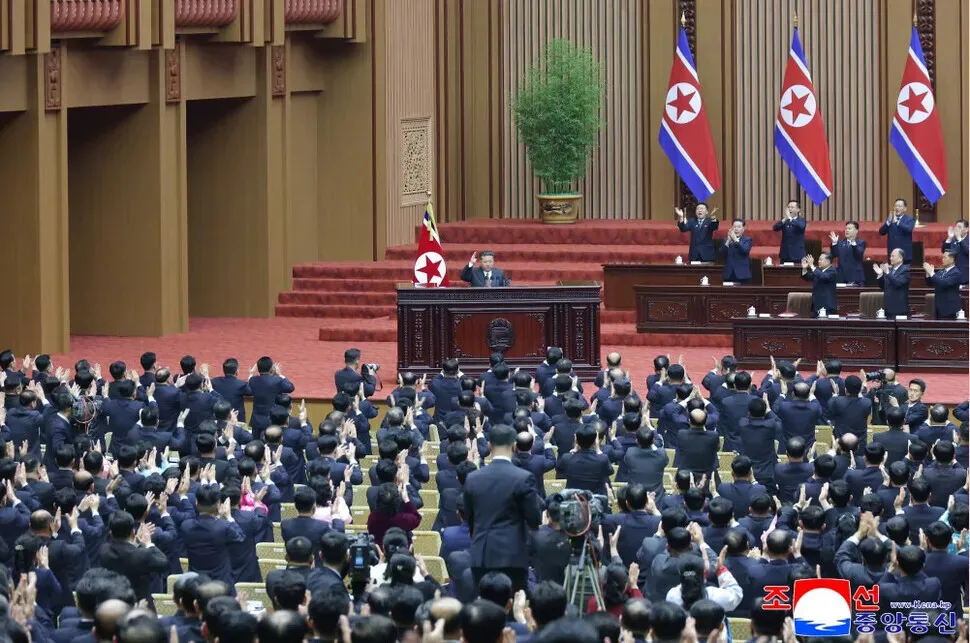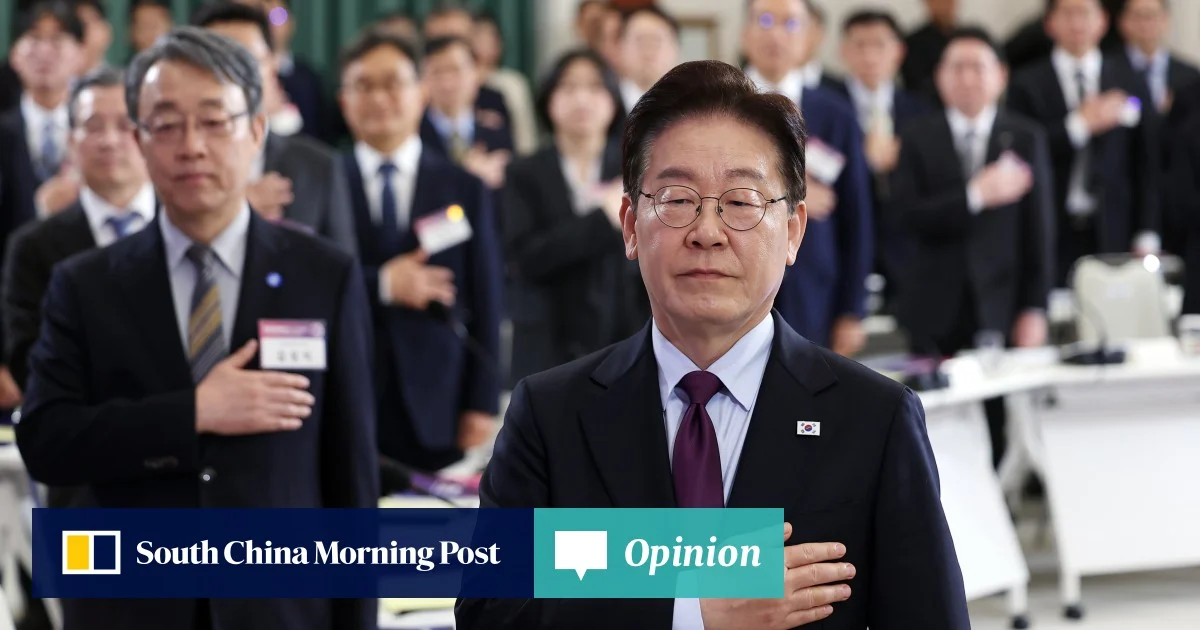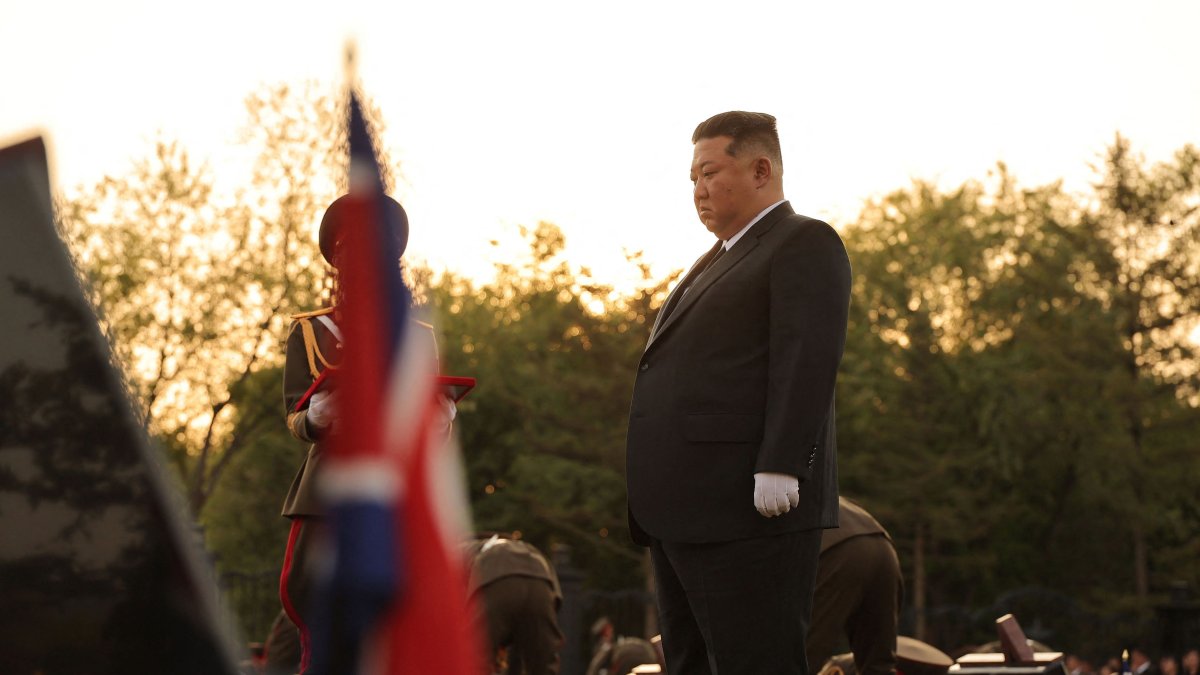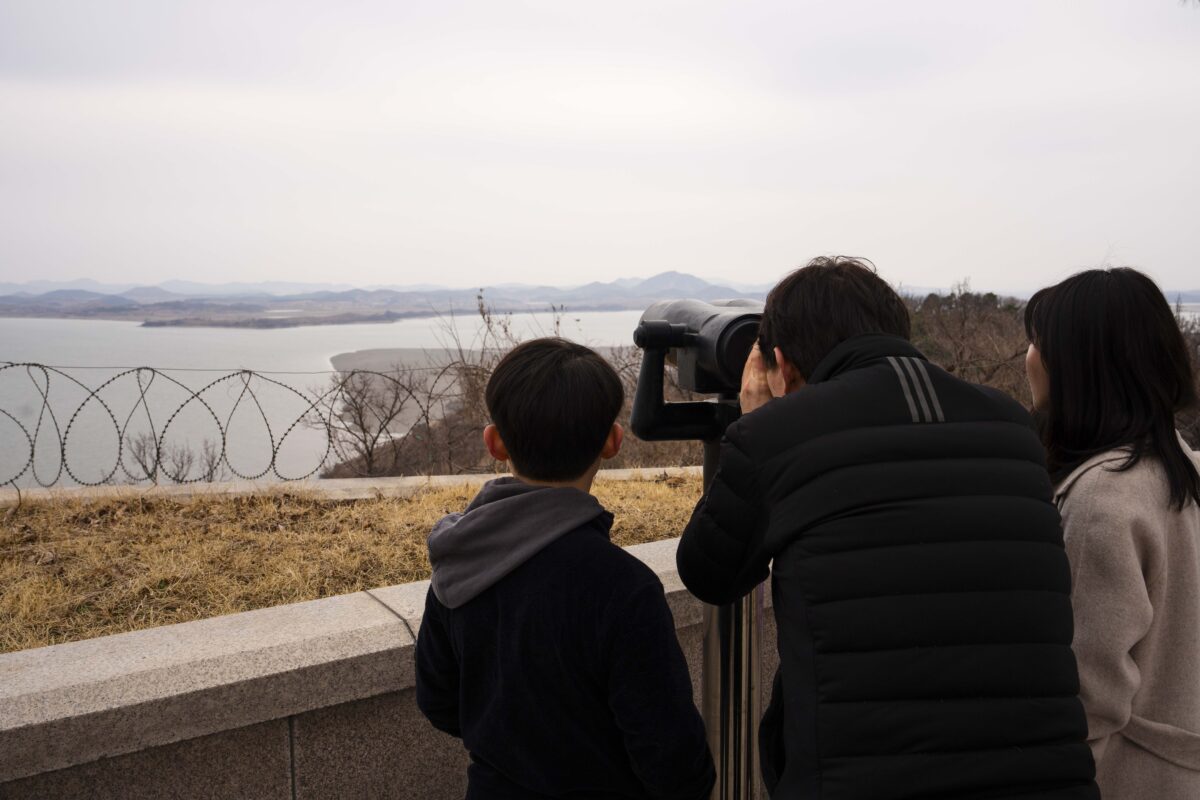
In March 2026, North Korea’s Supreme People’s Assembly passed a sweeping constitutional revision in its first session. The amendments removed every reference to Korean unification, ethnic unity and shared nationhood from the North Korean constitution. South Korea has long pursued reunification as the ultimate objective of its North Korea policy. Pyongyang’s formal rejection of that possibility should convince Seoul that its own unification policy has run its course.
The amendments added a territorial clause defining the inter-Korean border as a boundary between two independent states. The Supreme People’s Assembly also granted the chairman of the State Affairs Commission authority over the command of nuclear forces. These revisions follow several developments that signal Pyongyang is no longer interested in reunification. Key among these are the 2022 Law on the State Policy of Nuclear Forces codifying preemptive nuclear use, the 2024 mutual defence treaty with Russia and the 2024 demolition of the Arch of Reunification — a monument that former leader Kim Jong-il had built as a symbol of unity.
In May 2026, South Korea’s National Intelligence Service claimed that the revisions were North Korea’s attempt to manage the status quo. But this reading misses the pattern — taken together, these steps signal that Pyongyang is formalising the ‘two hostile states’ policy that Supreme Leader Kim Jong-un first declared in December 2023, which is built on the premise that unification is no longer a live question for either side.