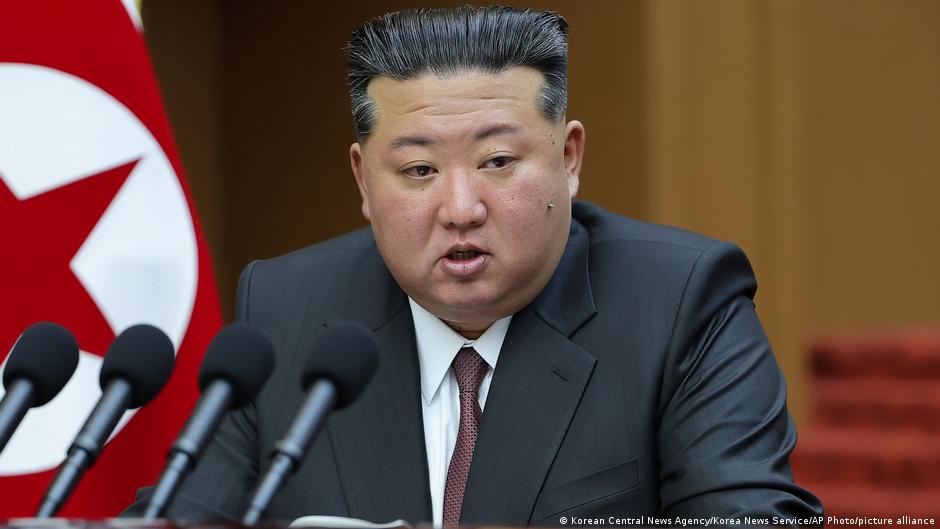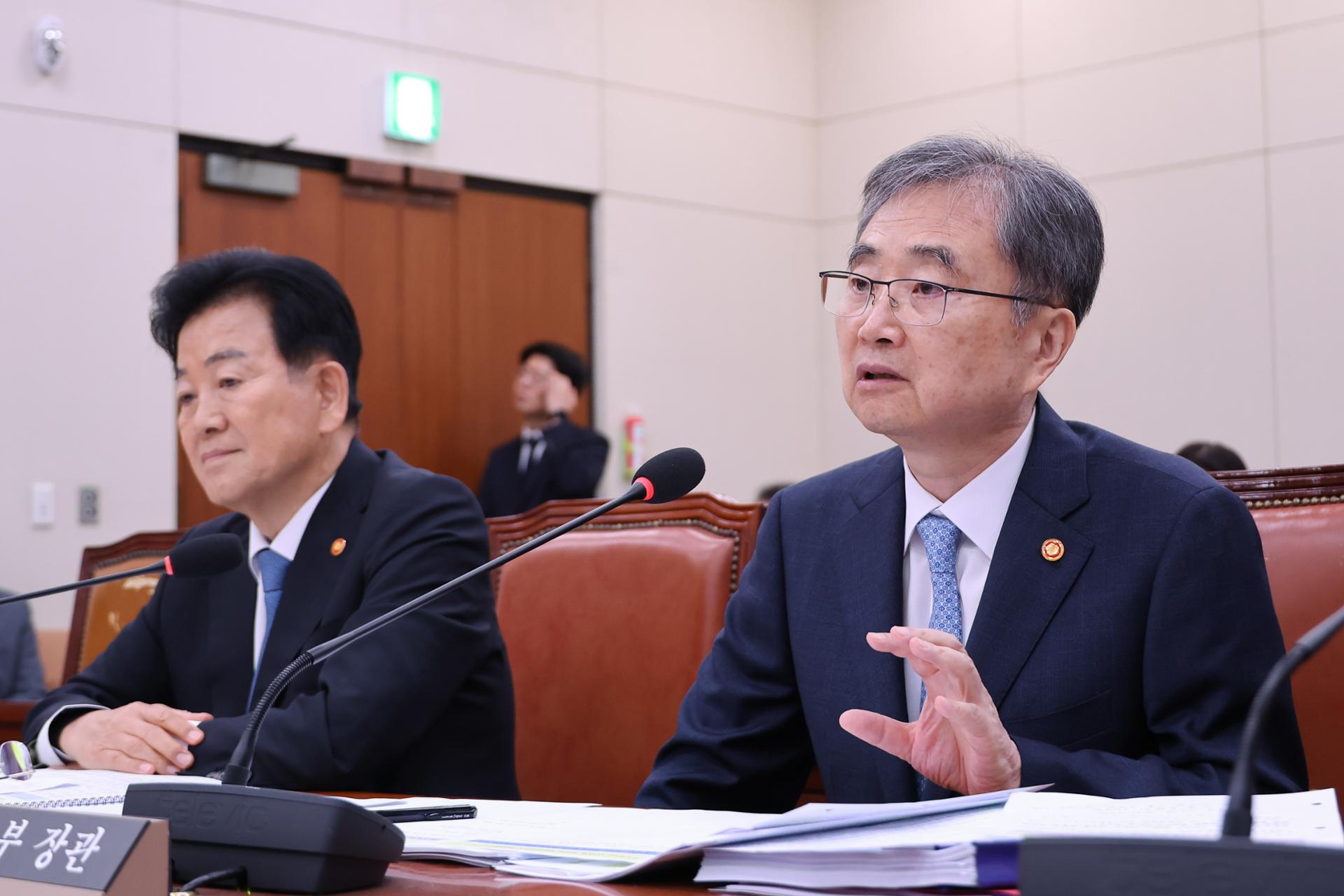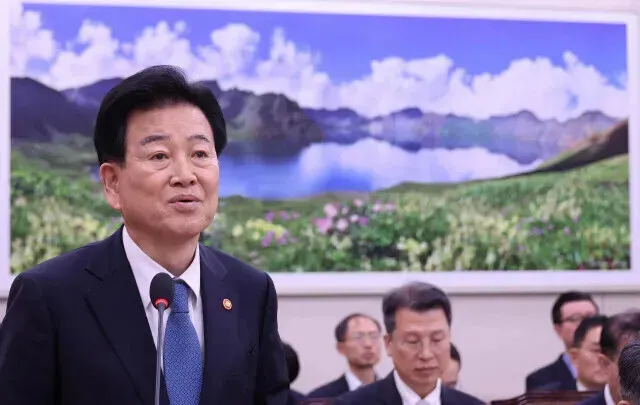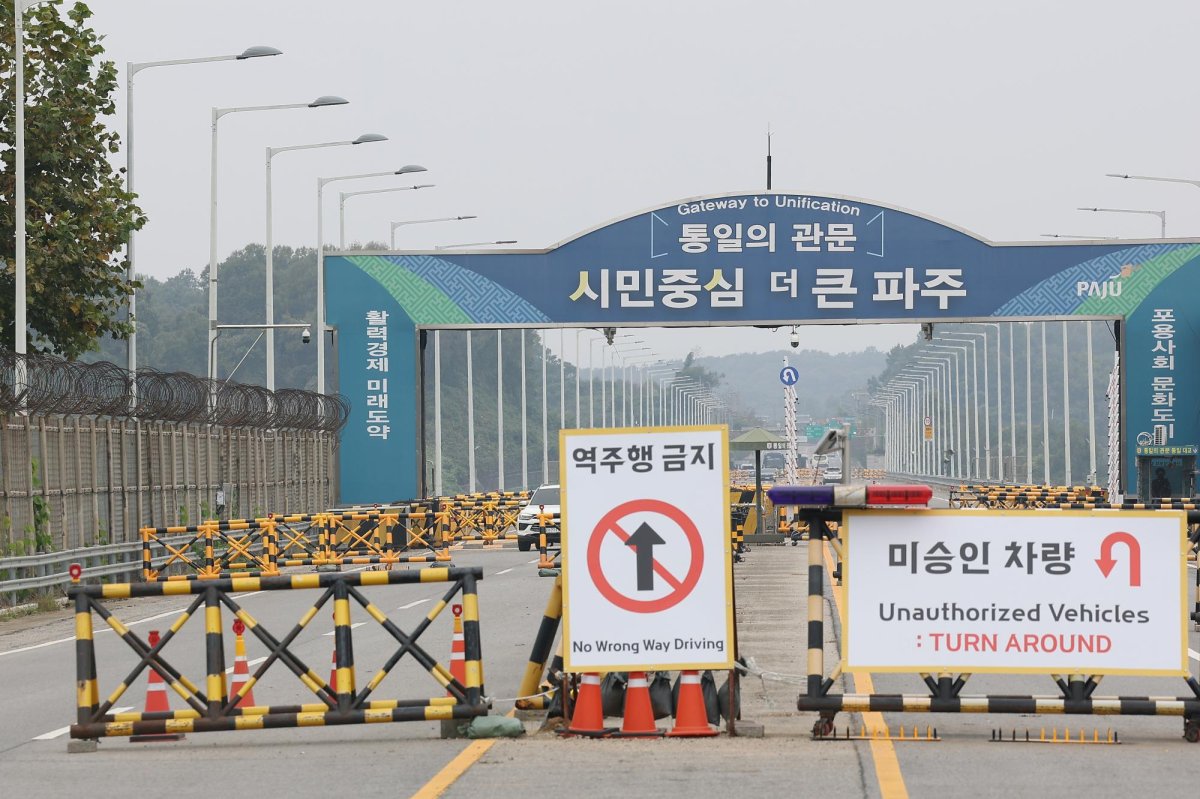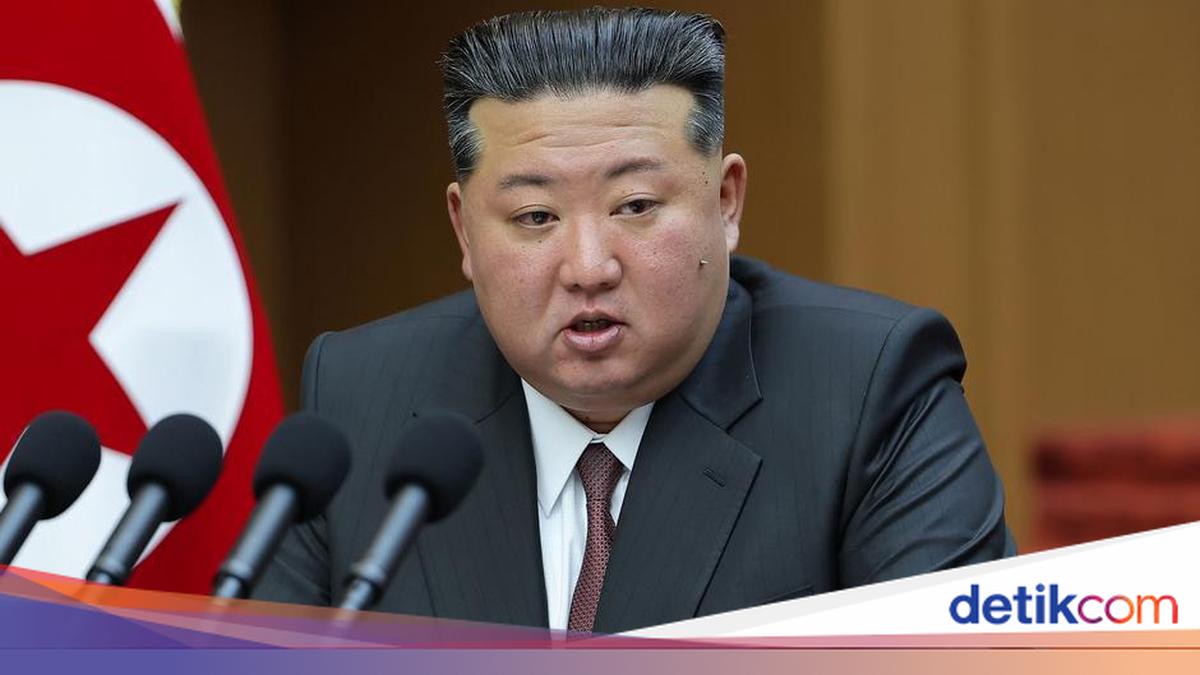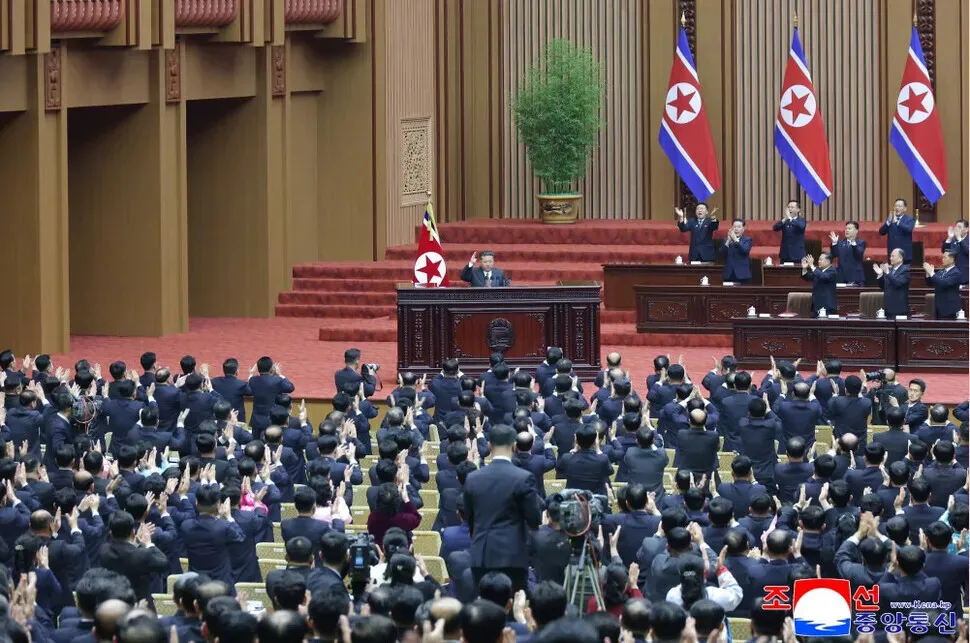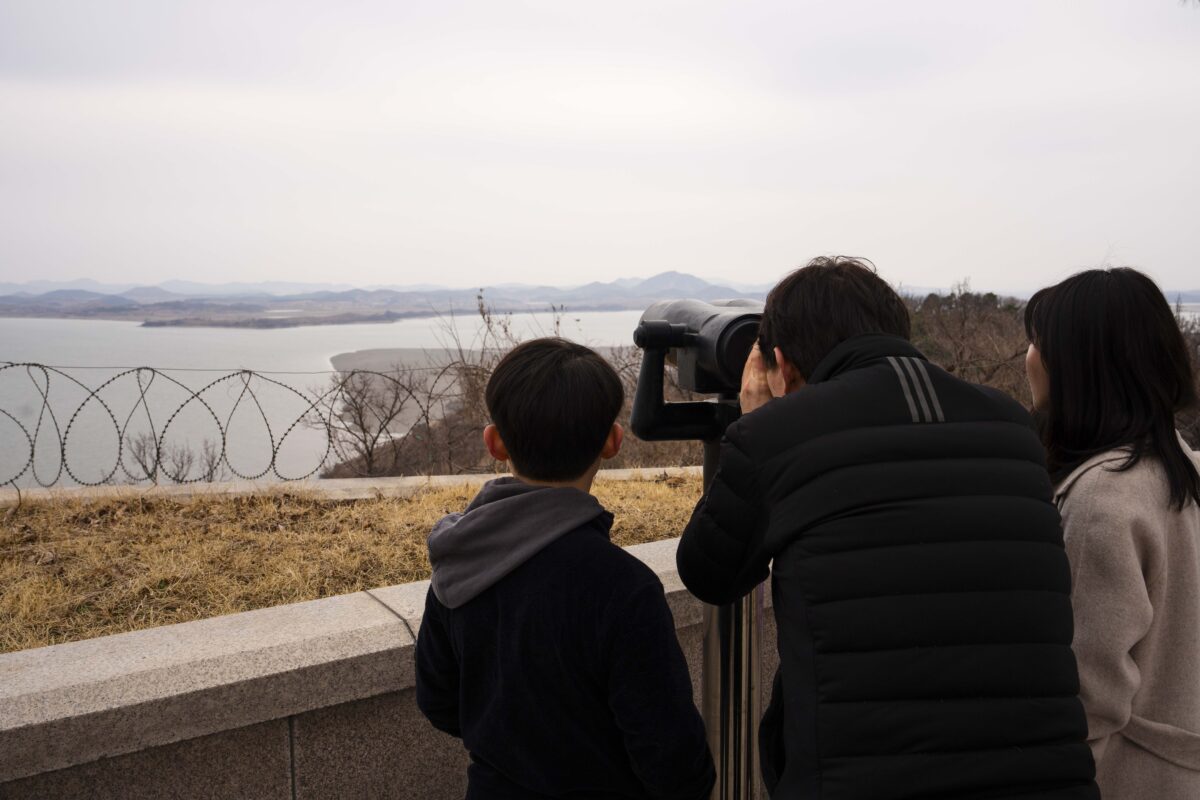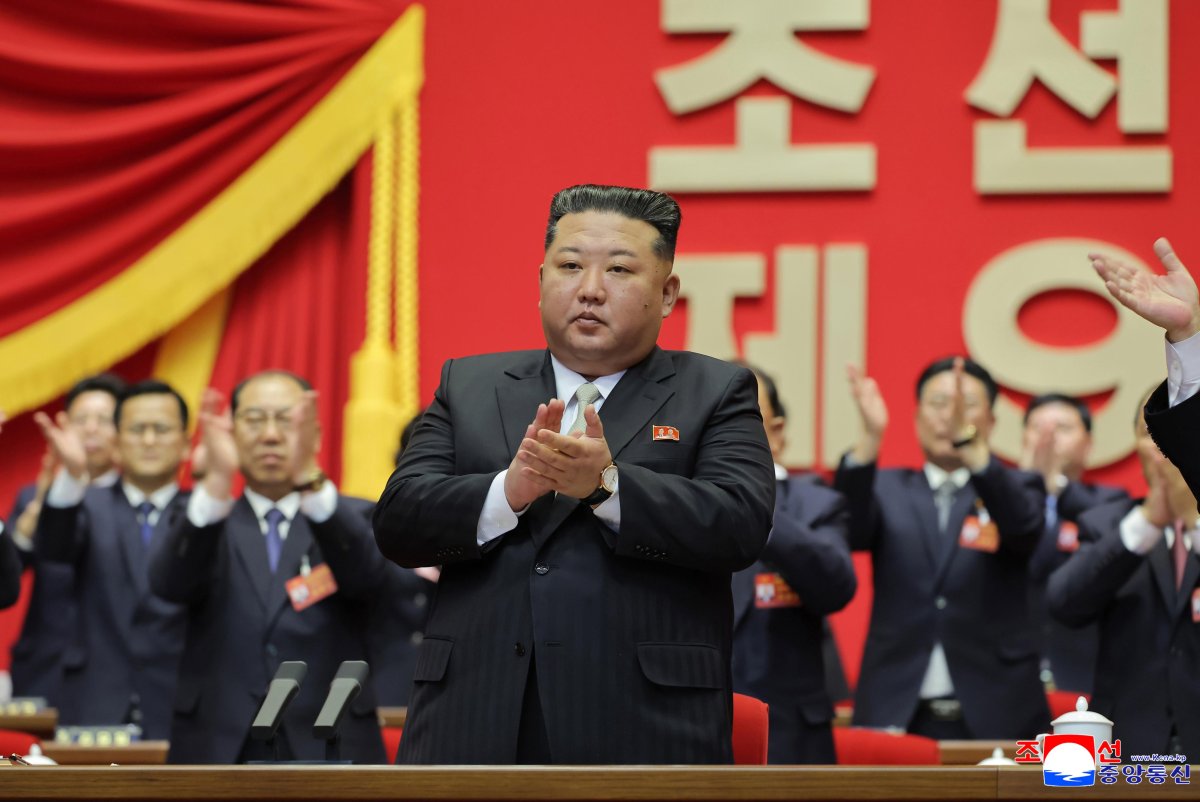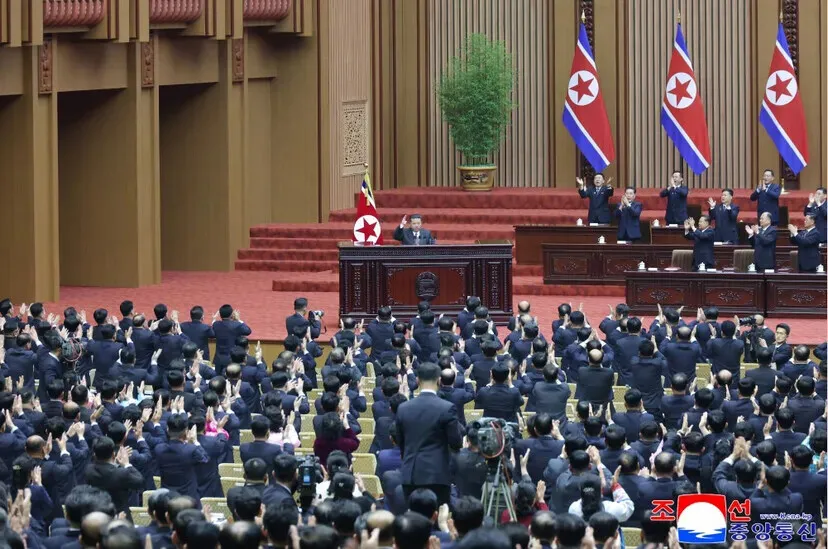
North Korea formally redefined inter-Korean relations through constitutional amendments made in March, adding a territorial clause denoting its view of the two Koreas as separate and distinct states and removing longstanding references to reunification. The revisions are a reflection of North Korean leader Kim Jong-un’s 2023 declaration of North-South relations as not “consanguineous or homogeneous,” but invariably those “between two states hostile to each other.” That sentiment has now been enshrined in the country’s constitution, the foundational document that best represents North Korea’s national identity. Now that the North has made the existential decision to sever ties between the two Koreas, South Korea must decide whether to maintain its longstanding policy approach to North Korea, which was designed with reunification in mind. It’s worth noting that the North did not refer to South Korea as “hostile” in its new constitution. With that in mind, it is time to begin to seriously contemplate how North Korea and South Korea can coexist in peace. The full text of North Korea’s new constitution, which was revised during the Supreme People’s Assembly in March, was shared with the press at a briefing held at the Ministry of Unification on Wednesday. Article 2 of the amended constitution introduces a new clause stating that North Korea’s territory is the area bordered by China and Russia in the north and the “Republic of Korea to the south.” A clause previously included in Article 9, which stated an aim to “reunify the country,” has been deleted. Other phrases related to reunification, such as “northern half,” “peaceful reunification,” and “the complete victory of socialism,” have also vanished. Regarding nuclear weapons, the newly revised constitution reflected the nuclear doctrine announced in September 2022, with Article 89 reading, “The Chairman of the State Affairs Commission of the Democratic People’s Republic of Korea commands the nuclear forces of the DPRK.” However, at no point in the constitution does North Korea define South Korea as a “hostile” state. These amendments make clear that North Korea has made the firm decision to sever ties with the South and abandon its goal of reunification — a goal it had attempted to achieve through force following the division of Korea, which resulted in a tragic war that pit brother against brother. The question now is how we should respond. Considering that North Korea did not use the word “hostile” in its amended constitution, if we accept its premise that inter-Korean relations should become those between two separate states, we can lay a foundation for normalizing diplomatic relations. At the same time, this would mean that we would have to scrap the principle that inter-Korean relations “constitute a special interim relationship stemming from the process towards reunification,” as specified in the South-North Basic Agreement of 1991. Given that this is an issue of profound significance to our national identity, it would be unwise to rush to conclusions. Once we commit to a course of action, it will be difficult to turn back, and in the worst-case scenario, we could trigger serious conflict within our own society. In this new era, we must continually ask ourselves what kind of inter-Korean relationship we seek to build, and steadily work to build a shared consensus within our society.
[Editorial] North Korea’s rejection of unification doesn’t rule out coexistence
It’s a new era of inter-Korean relations, and South Korea must think deeply about what its response to North Korea’s formalization of its two-state doctrine will be
538 words~2 min read