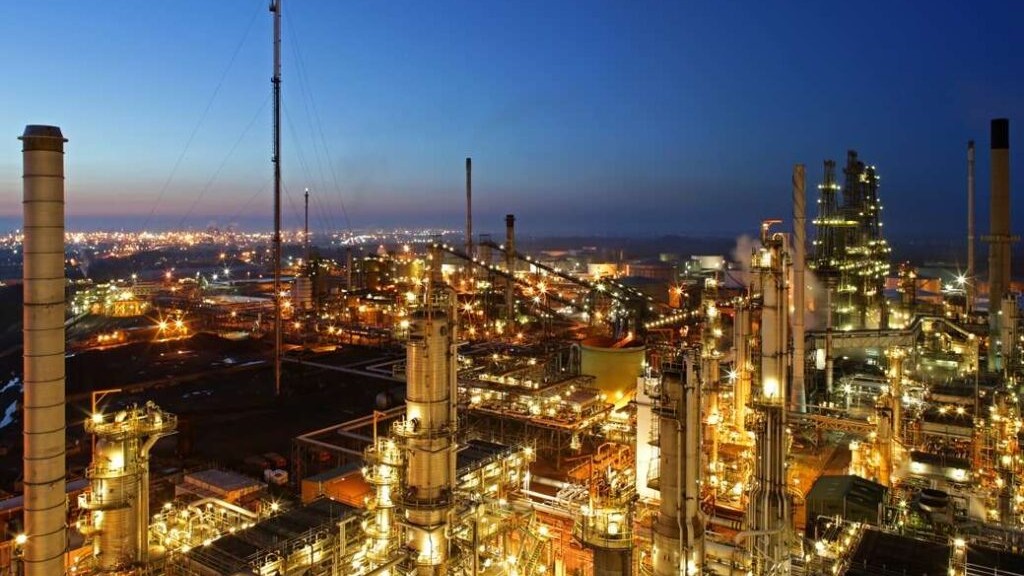
SynopsisUS refineries are processing crude oil at their highest rates since before the pandemic. Global fuel supplies remain critically low due to ongoing conflicts and disruptions. Despite increased production, consumers face persistently high gasoline and diesel prices. US commercial crude stockpiles have fallen to their lowest levels since 2018.ETMarkets.com US commercial crude stockpiles dipped to their lowest since 2018, falling by more than 7 million barrels as oil-market buffers shrink amid tensions in the Iran war US refiners are turning crude oil into products like gasoline and diesel at a pace not seen since before the Covid-19 pandemic, but even that is unlikely to rein in soaring prices soon amid a historic fuel crunch.Refineries last week processed 17 million barrels of crude oil a day, according to the Energy Information Administration, in a full-throttle effort to meet global and domestic fuel demand. That’s the highest weekly average since September 2019.In the Midwest, refineries processed the most crude on record in a week.Global fuel supplies are perilously tight, incentivizing refiners to go all-out to capture exceptionally strong profit margins, said Matt Smith, director of commodity research at Kpler. Fuel markets have been left with little cushion after outages stemming from wars in Ukraine and Iran.Also read: Crude oil dips below $90 after 8% surge on Wednesday. Here’s why“Super-sized refining margins continue to encourage refiners to run as hard as possible, resulting in a solid draw to crude inventories,” Smith said.Despite the surging processing rates, US consumers aren’t likely to see much relief at the pump soon. US fuel markets still look tight, with gasoline and diesel futures rising. That means further headaches for US drivers staring down $4-a-gallon gasoline and another wrinkle for central bankers desperate to tamp down inflation.But the impacts of the push are visible in US commercial crude stockpiles, which dipped to their lowest since 2018, falling by more than 7 million barrels, the EIA data indicated. It’s another sign that oil-market buffers are thinning as tensions in the Iran war simmer.BloombergAlso read: Trump resumes air strikes following missile attack on American base in JordanStockpiles at Cushing, Oklahoma, — the US’s commercial crude storage hub — are sitting below 20 million barrels, a level widely considered the operational minimum. And the premium for buying a barrel of crude oil for delivery in September versus October rose further on Wednesday, indicating market concerns about the availability of immediate supply.To be sure, global crude oil markets have proven remarkably resilient this year, but the picture for fuels is far more fragile.Russia, reeling from Ukrainian drone strikes on its refineries, has banned exports of gasoline through year-end, and is eyeing another month of an existing diesel ban. And in the Middle East, refiners are grappling with an unclear shipping picture in the Strait of Hormuz. Profit margins for diesel in the US sit near record highs.Meanwhile, countries from Europe to South America are scrambling for fuel supplies, sending US exports surging. That’s slowing American inventory rebuilding despite near-record refinery runs. Gasoline exports remain around seasonal averages and exports of distillate fuels like diesel rose near the highest level on record.Also read: US strikes $58.6 billion Patriot missile deal amid rising stockpile concernsGasoline inventories in the US remained effectively unchanged last week — their lowest seasonally since 2012. And while distillate fuel supplies built by 1.1 million barrels, the comparatively lackluster rate of additions means that US stockpiles are now at their lowest for this time of year since 2000.There may be further snags to come for US fuel inventories. Motiva Enterprises LLC’s Port Arthur refinery on the Texas Gulf Coast — the largest in the country — shut a key unit for making gasoline on Monday, a person familiar with operations said.Read More News on
The US is making the most fuel since pre-covid. It’s not enough.
US refineries are processing crude oil at their highest rates since before the pandemic. Global fuel supplies remain critically low due to ongoing conflicts and disruptions. Despite increased production, consumers face persistently high gasoline and diesel prices. US commercial crude stockpiles have fallen to their lowest levels since 2018.
624 words~3 min read