Breaking cybersecurity news, news analysis, commentary, and other content from around the world, with an initial focus on the Middle East & Africa, the Asia Pacific, Europe, and Latin America.
The groups move from goods to services and continue to traffic people from at least 80 countries, costing nations in the region at least $88 billion in 2025 alone.
July 30, 2026
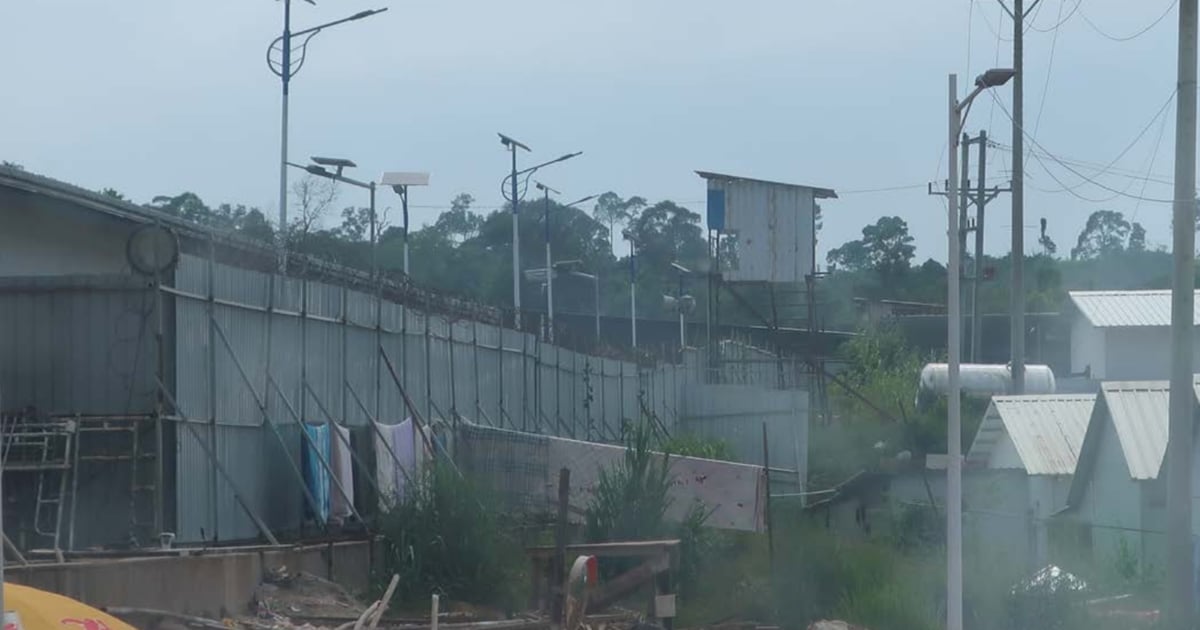
Years of international cooperation and enforcement actions have managed only to displace Southeast Asia's cyber-fraud industry, not shrink it, as corruption, cryptocurrency settlement networks, special economic zone (SEZ) jurisdictions, and crime-as-a-service models have allowed transnational criminal organization to quickly relocate.
The failure of nations' law enforcement to keep up with the innovations in transnational criminal operations (TCOs) has resulted in estimated costs of between $88 billion and $114 billion for the region in 2025, according to the latest report from the United Nations' Office on Drugs and Crime. The costs are largely due to the use of four technologies — cryptocurrency, secure messaging such as Telegram, generative AI, and satellite networks — allowing TCOs to industrialize.