In brief
The UN Office on Drugs and Crime says Southeast Asia's once-fragmented crime syndicates have merged into a single, tech-driven economy built on shared fraud and laundering infrastructure.
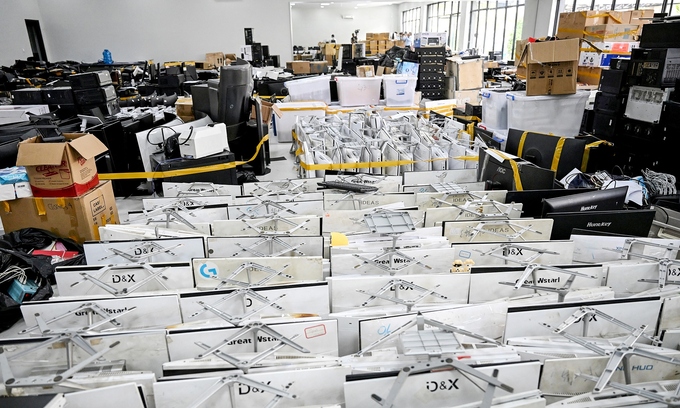
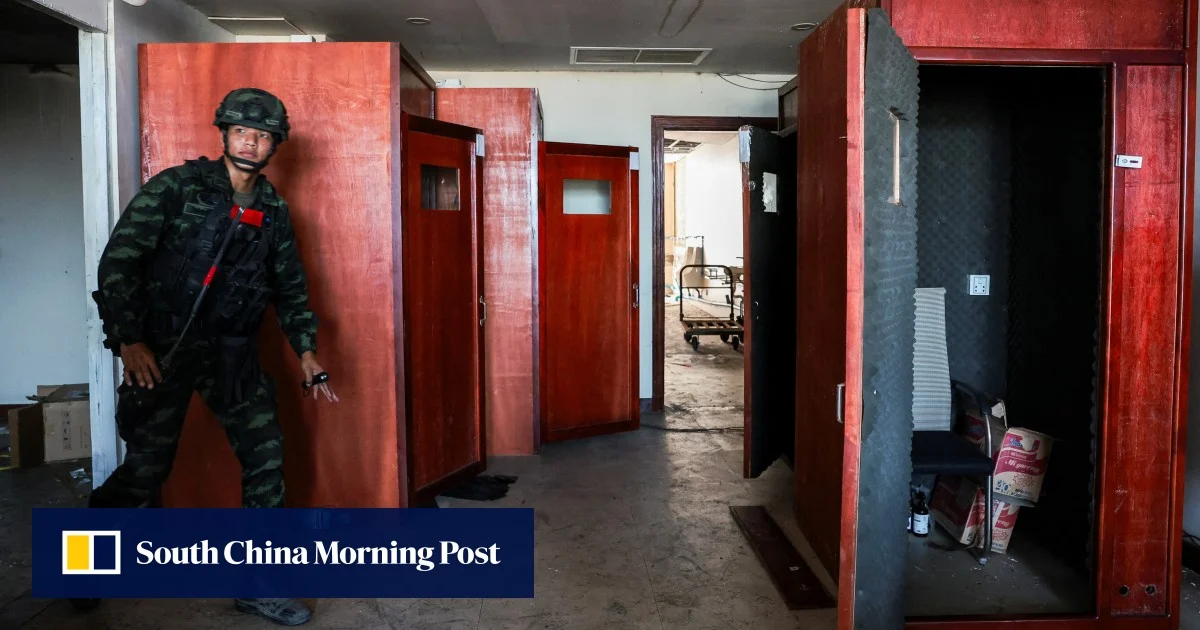
Scam operations across the wider region drove an estimated $88.3 billion to $114.1 billion in losses in 2025, much of it crypto investment fraud run from industrial-scale compounds.
The agency urged regional police to get specialized crypto training to trace and seize proceeds, warning that disruption-focused strategies are not working.
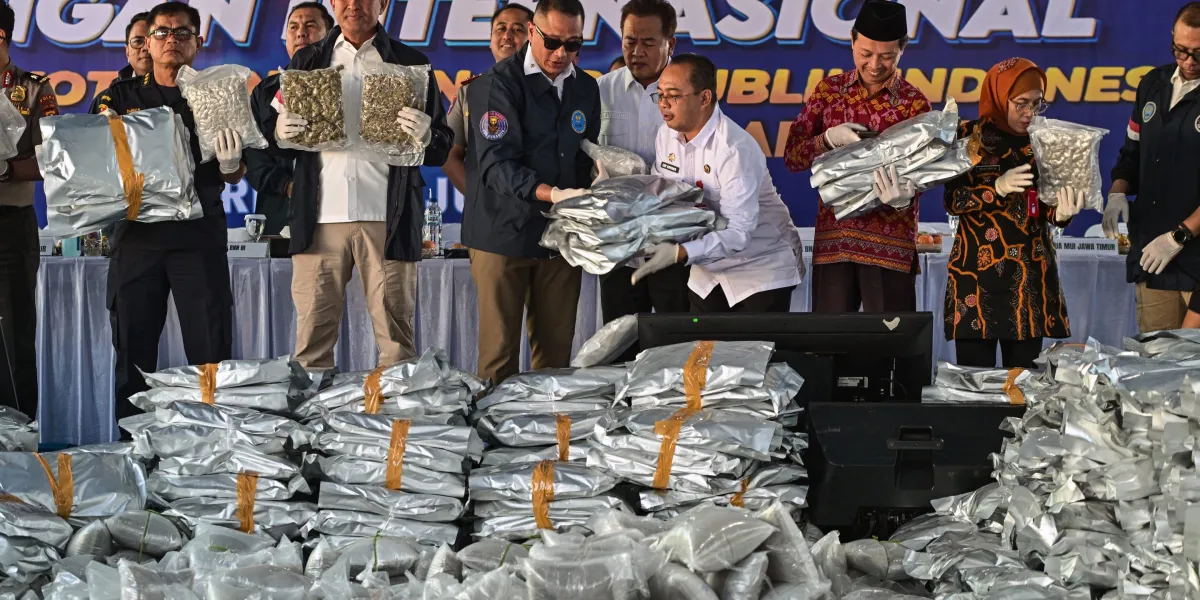
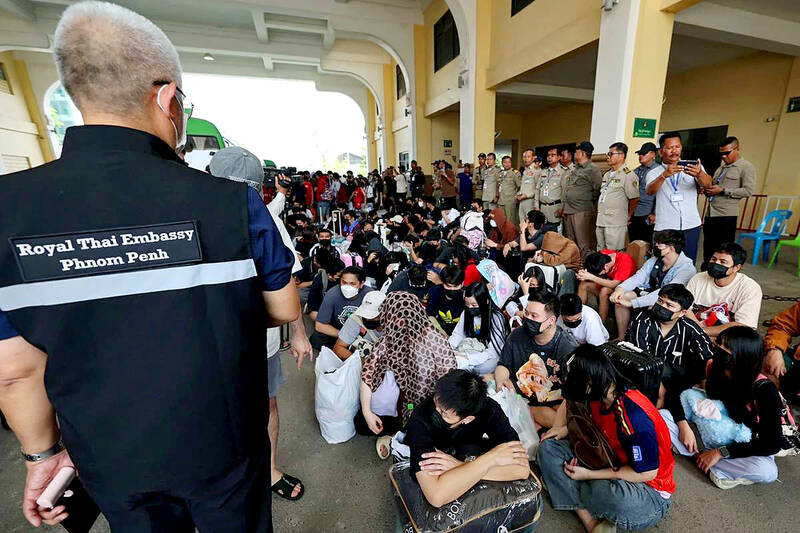
Southeast Asia's scam industry has hardened into a single, interconnected criminal economy whose losses now rival the output of entire countries, the United Nations said in a report published Tuesday.The UN Office on Drugs and Crime (UNODC) described a “fundamental” restructuring of the region's underworld. Locally rooted syndicates that once stuck to one territory and one specialty have fused into a transnational network in which groups sell services—money laundering, fraud, human trafficking, data harvesting—to one another over shared infrastructure, the report said.