Tammy Park
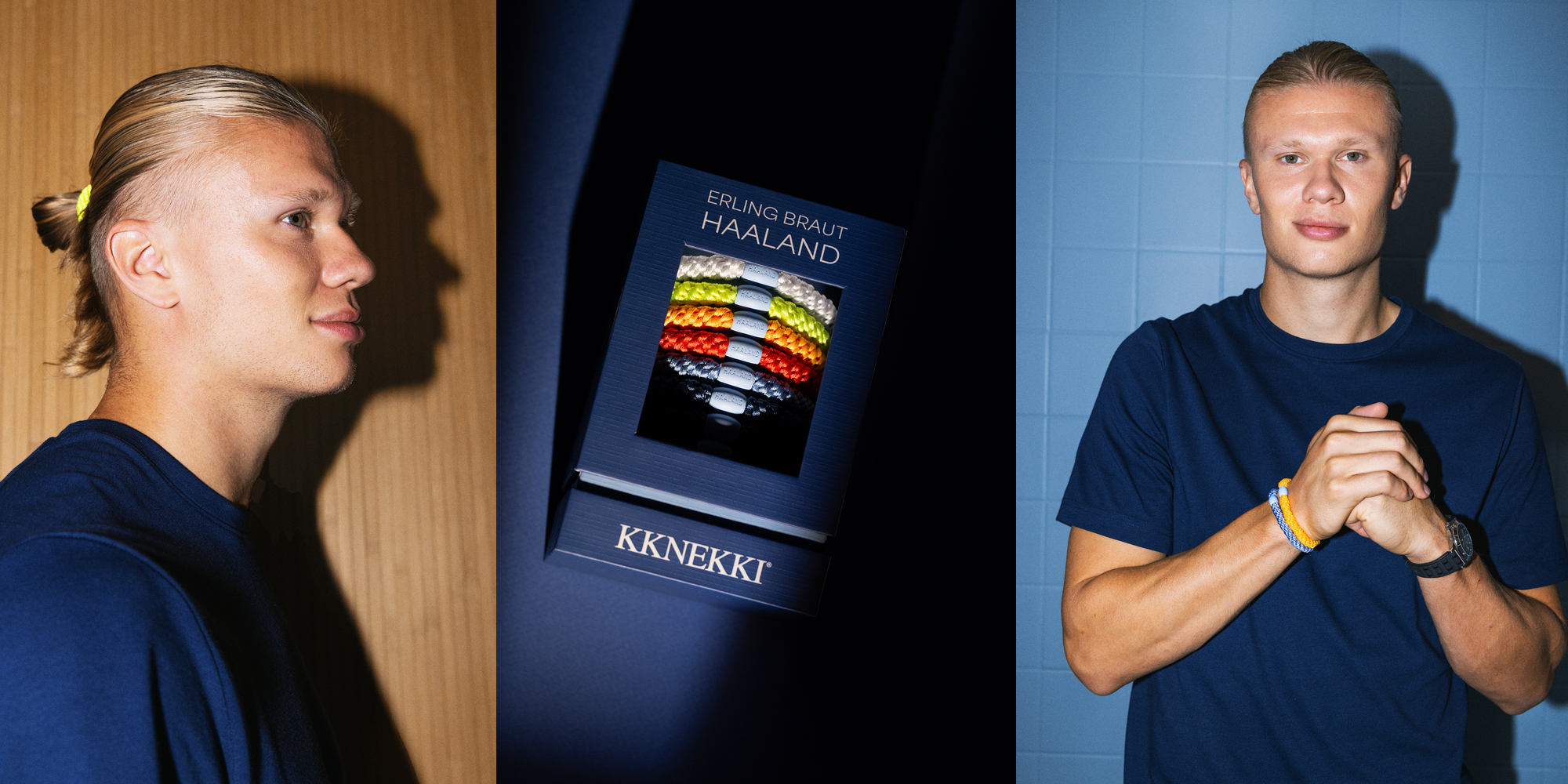
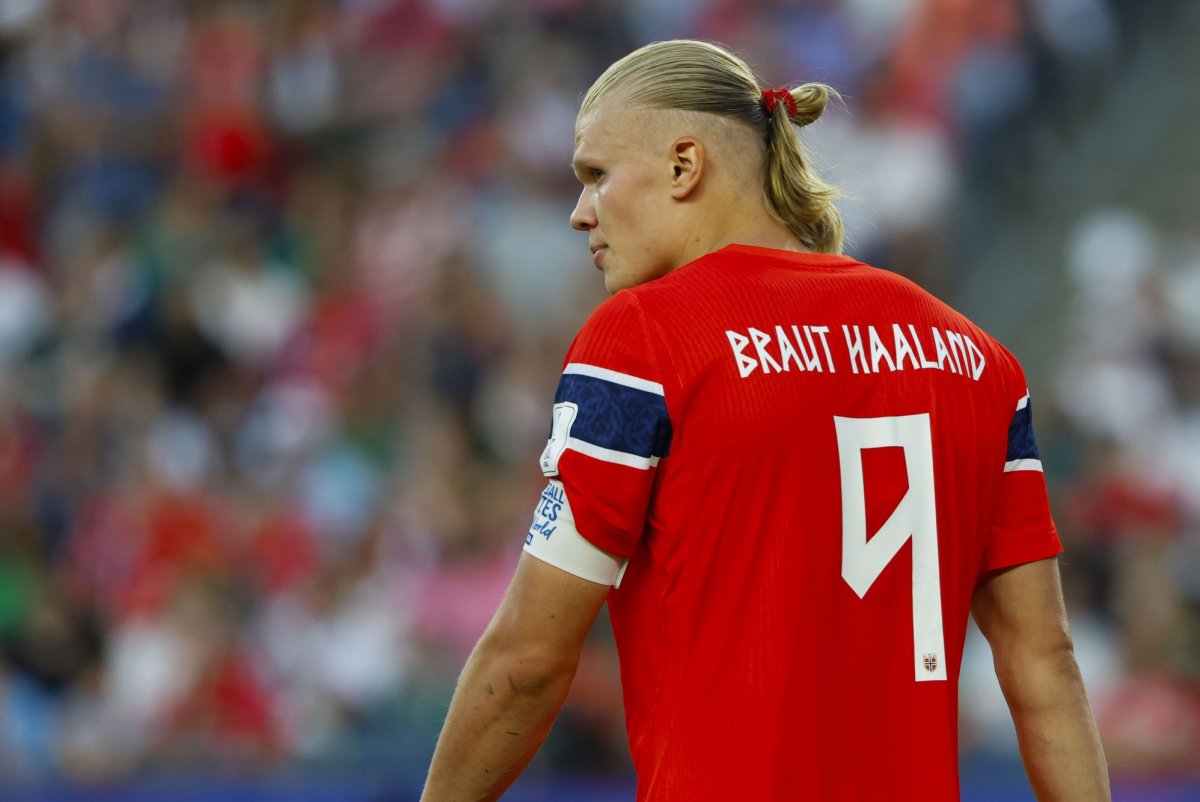
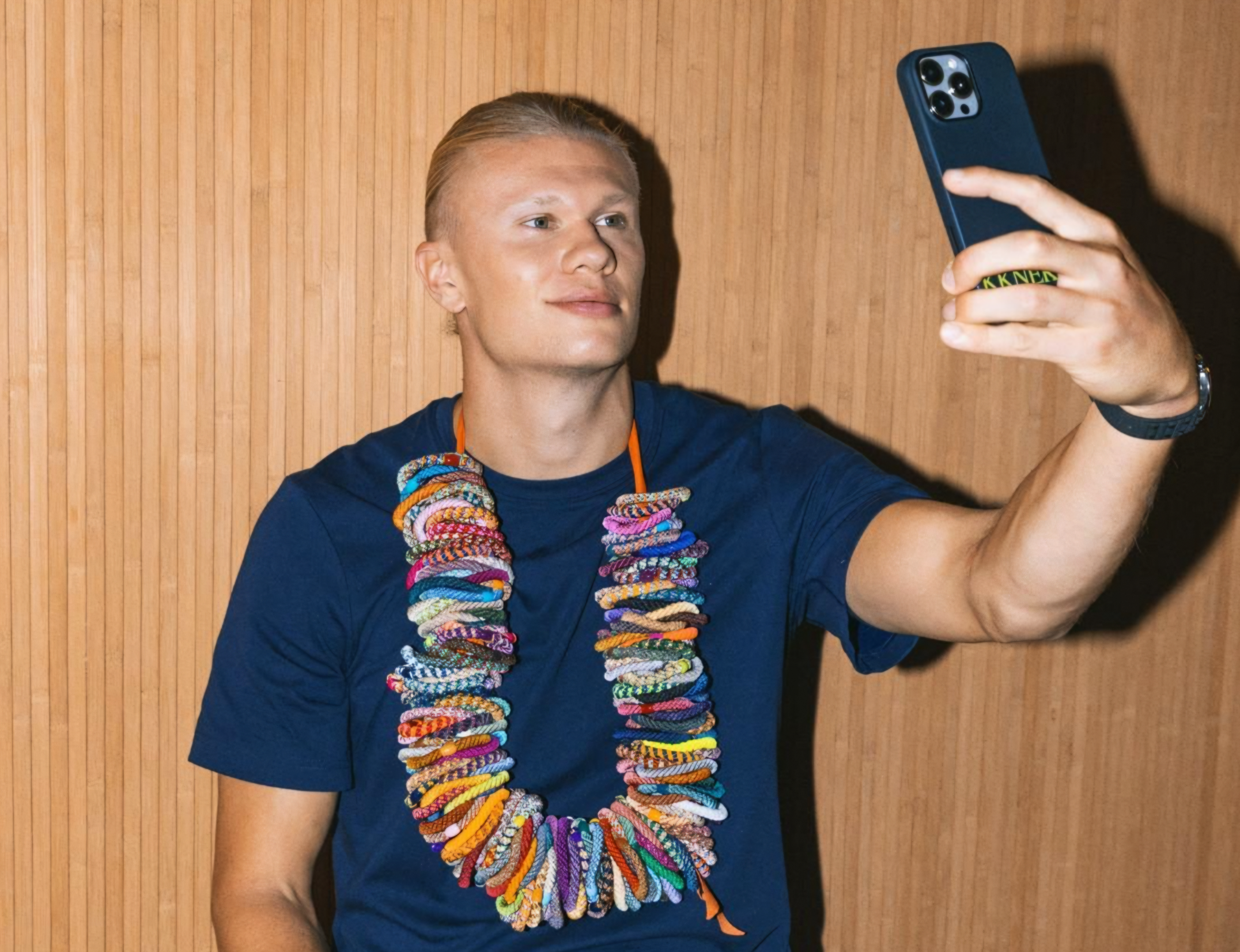
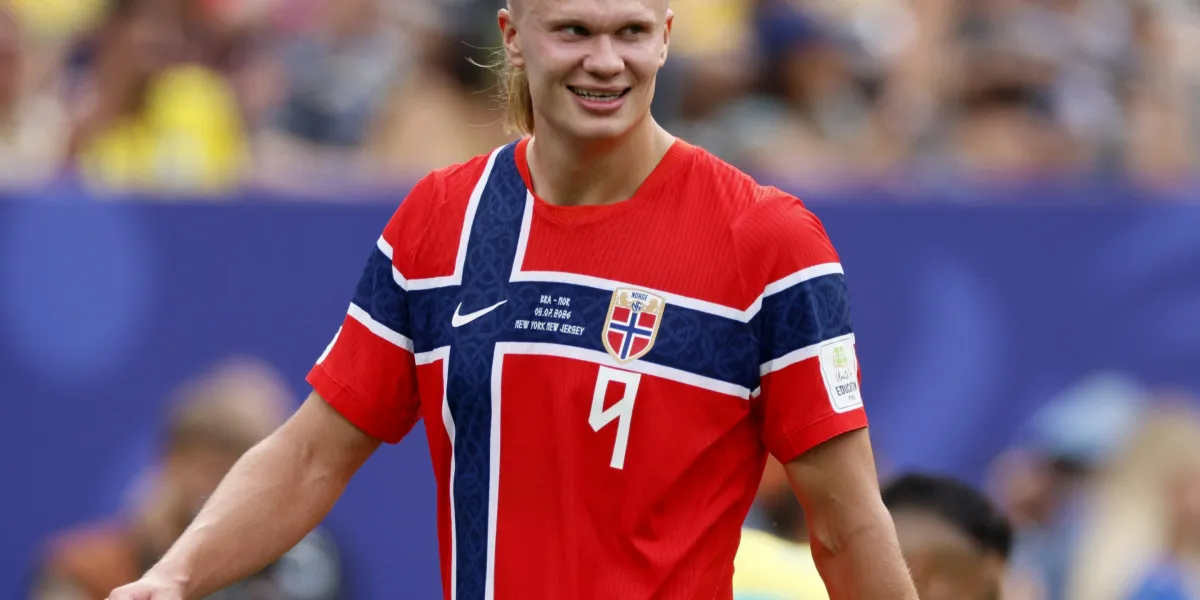
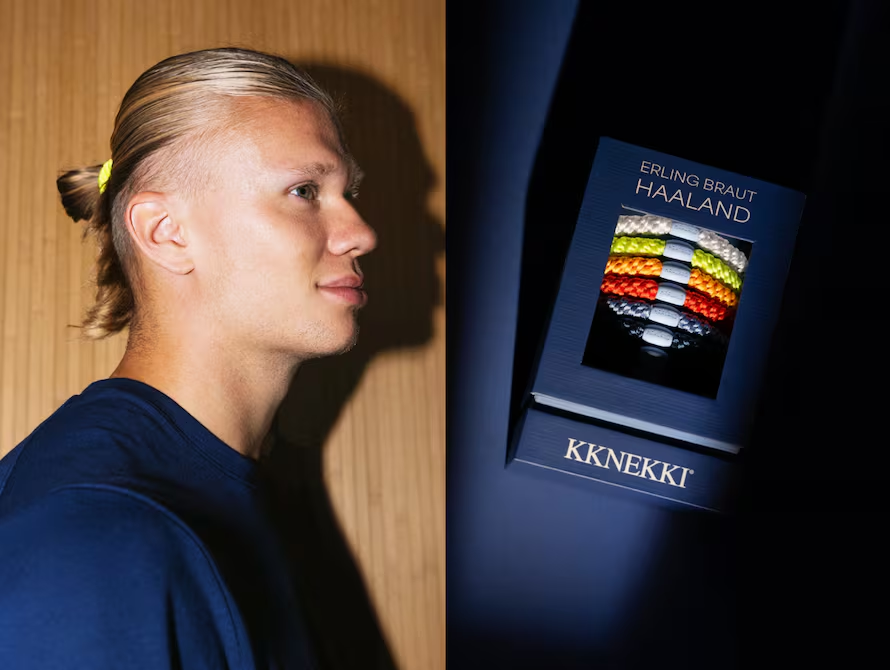
One builds the product. The other builds the brand. How a Korean manufacturer and a Norwegian lifestyle company found success by focusing on what each did bestWhen Erling Haaland's colorful hair ties became the talk of town during this summer's FIFA World Cup, many South Koreans were surprised to learn that the brand wrapped around the Norwegian striker's trademark ponytail had Korean roots.But the story behind Kknekki is not simply one of a Korean product finding international success.It is also the story of two companies, nearly 8,000 kilometers apart, that each decided the other could do something they couldn't."We felt we cracked the code on how to market, sell and distribute the product," said Lars Gronseth, founder and working board member of Norwegian accessories company Bon Dep, told The Korea Herald. "Dooji were very skilled at production while we excelled at marketing and distribution."That realization reshaped the future of Kknekki. Kknekki products are displayed in Dooji's showroom in Chuncheon, Gangwon Province. Dooji is Kknekki's exclusive manufacturer. (Tammy Park/The Korea Herald) Born in Korea, raised in NorwayOriginally developed by Korean manufacturer Dooji in 1987 under founder and CEO Cho Hyun-tae, the woven hair tie remained a niche product for decades before catching the attention of Norwegian lifestyle company Bon Dep, which discovered it in an Oslo shop in 2015."It was being sold by someone who previously held the distribution rights but lost them due to poor sales," Gronseth said, saying that it first acquired the Norwegian distribution rights before expanding across Scandinavia and eventually Europe. Dooji founder and CEO Cho Hyun-tae (second from left) stands outside the original Kknekki store in Seoul at its opening in this undated photo provided by Cho. (Cho) One of Bon Dep’s biggest contributions was expanding Kknekki’s design portfolio, with about 600 to 700 colors in stock.The company also repositioned Kknekki from an everyday hair elastic into a premium lifestyle accessory, and for Cho, that difference was immediately noticeable."They treated the product preciously," Cho told The Korea Herald, adding that he believes Bon Dep's emphasis on presentation, branding and storytelling resonated with customers.After nearly eight years of working together under a licensing agreement, the partnership entered a new phase in 2023. Bon Dep acquired the global Kknekki trademark, while Dooji continued as the product's exclusive manufacturer."We see this combination as one of the brand's greatest strengths," said Hedda Engelhardt Davidsen, Bon Dep's marketing manager. "It's a product with authentic Korean heritage presented through a contemporary Scandinavian design language."According to Cho, the business expanded significantly following the trademark transfer in 2023, with sales growing by more than 300 to 400 percent compared with before the transfer.Today, Dooji produces around 50 million hair ties each month. Cho said he believes the company has become the world’s largest hair-tie manufacturer, with one of the industry’s broadest design portfolios and decades of accumulated production expertise.Although production today takes place in China and Vietnam through Dooji-operated factories, Bon Dep says nearly four decades of Korean expertise remain central to the product."All the machines Dooji uses were developed by the factories themselves," Gronseth said. "Dooji has nearly 40 years of experience weaving these hair ties. There is a unique level of experience and expertise behind the production of Kknekki hair ties today."Where craftsmanship met brandingFollowing Haaland's World Cup performances and his now-viral description of Kknekki as "a Korean artisan-made hair tie," Bon Dep says demand has climbed sharply worldwide alongside renewed attention on the product's origin. Bon Dep says it has seen increased website traffic, retailer inquiries and social media engagement from South Korea after Haaland unexpectedly introduced the brand's Korean roots to a new audience."We were especially happy to see the renewed interest from Korea and to see people reconnect with the brand's Korean origins," Davidsen said.For Cho, the attention was deeply validating.Ever since he learned that Haaland had become a devoted user of the hair ties, Cho has tuned in to his games with a different focus. In the eye of the craftsman, Haaland's ponytail became an unlikely performance test, and, for Cho, Haaland’s appreciation of the product’s subtle details was the ultimate validation of his life’s work."When I watch football, I don't just watch the game," Cho said. "I watch how often players have to undo and retie their hair. I would pay close attention to Haaland, and he hardly ever had to."That expertise is reflected not only in the design of the machinery but also in how it is operated. Cho said the weaving machines intentionally run at relatively slow speeds, allowing each hair tie to be made with greater care and more consistent tension. The result, he said, is a finish that feels closer to a handcrafted product than one mass-produced on a factory line."If you increase the speed, you can make more," Cho said. "But we don't. We value consistency and quality over quantity." A Kknekki bracelet in the making at the factory in Korea (Bon Dep) Cho said he hopes the recent attention extends beyond Kknekki and shines a spotlight on the many artisans whose craftsmanship often goes unrecognized."There are countless people who dedicate their lives to manufacturing, and not everyone gets an opportunity like this," Cho said. "When Haaland referred to the hair tie as 'Korean artisan-made,' I saw it as recognition for the many talented Korean artisans whose work often goes unnoticed." Cho Hyun-tae recreates the viral Kknekki bracelet using samples displayed in Dooji's showroom in Chuncheon, South Korea, a nod to Erling Haaland's photo that brought global attention to the brand. (Tammy Park/The Korea Herald) Staff sort various hair tie samples, including Kknekki, at Dooji's headquarters in Chuncheon, South Korea. (Tammy Park/The Korea Herald) Cafe Basecamp in Chuncheon, run by Cho Hyun-tae, displays Dooji hair ties alongside printouts of Erling Haaland wearing Kknekki. (Tammy Park/The Korea Herald) Beyond the buzzFor Dooji, the renewed interest comes at a significant moment.The company is preparing a broader rollout of Zollame, an existing brand that Cho said is separate from Kknekki and was developed specifically for thicker, coarser hair common among many East Asians.The two brands, however, share the same roots. Like Kknekki, Zollame takes its name from the Gyeongsang dialect. Together, "kknekki zollamae" forms a local expression that roughly means "tie your hair."Bon Dep, meanwhile, is looking to reconnect Kknekki with Korean consumers as interest in the brand continues to grow."South Korea is not only where Kknekki was born, but also one of the world's most influential markets for fashion, beauty and lifestyle," said Per Robertson, Bon Dep's chief executive officer. "Our ambition is to build Kknekki into a long-term premium brand in South Korea through a carefully selected network of premium retail partners."