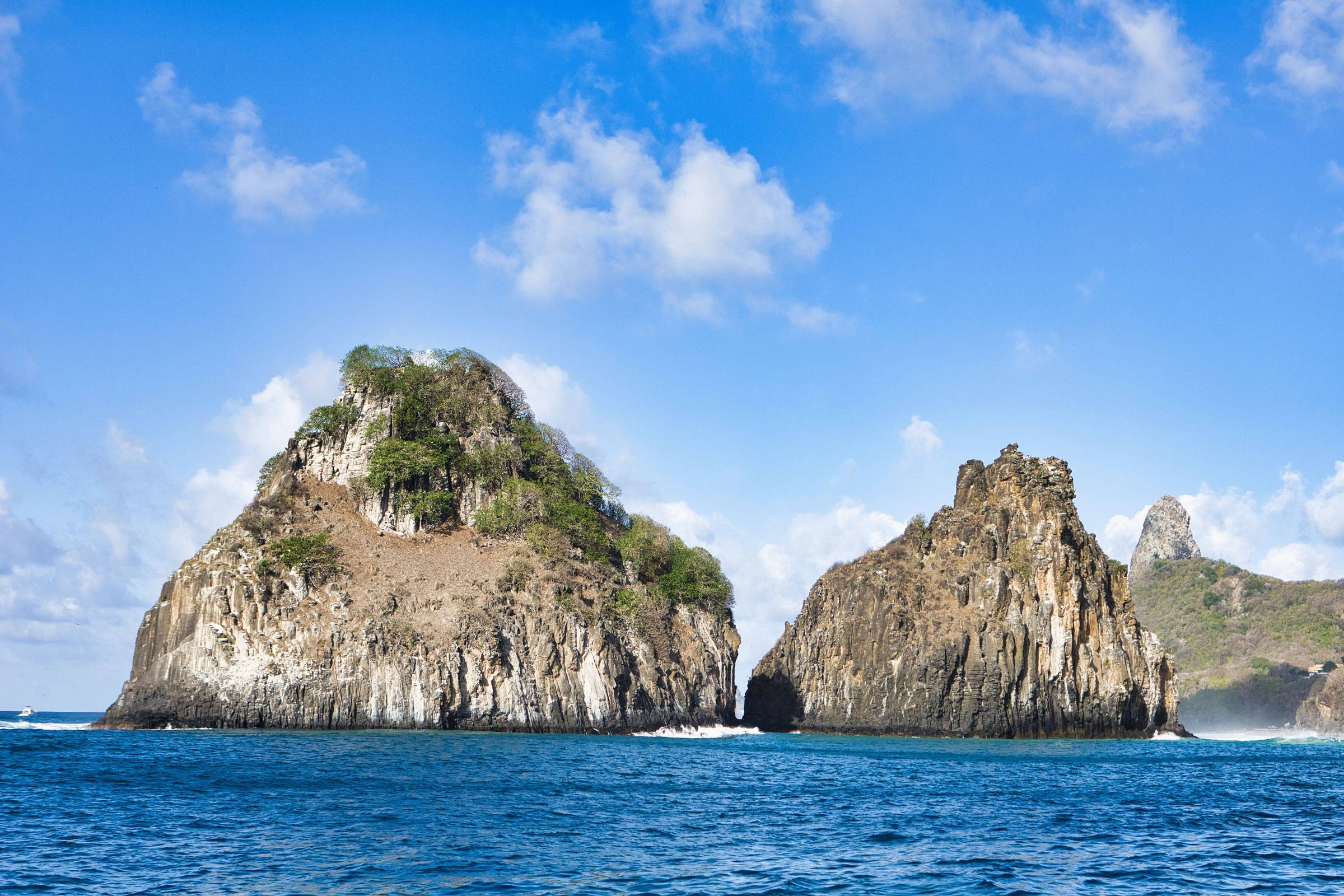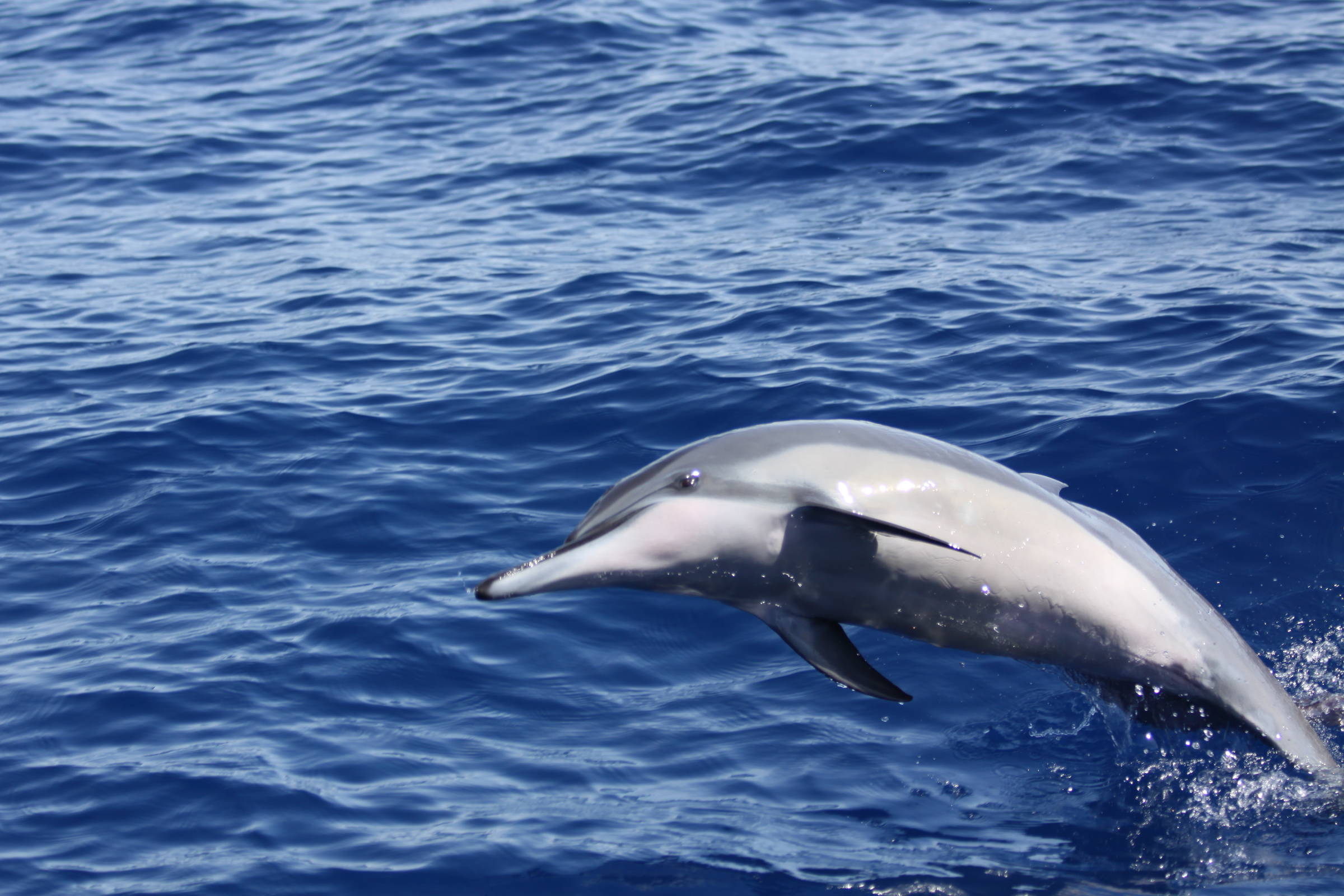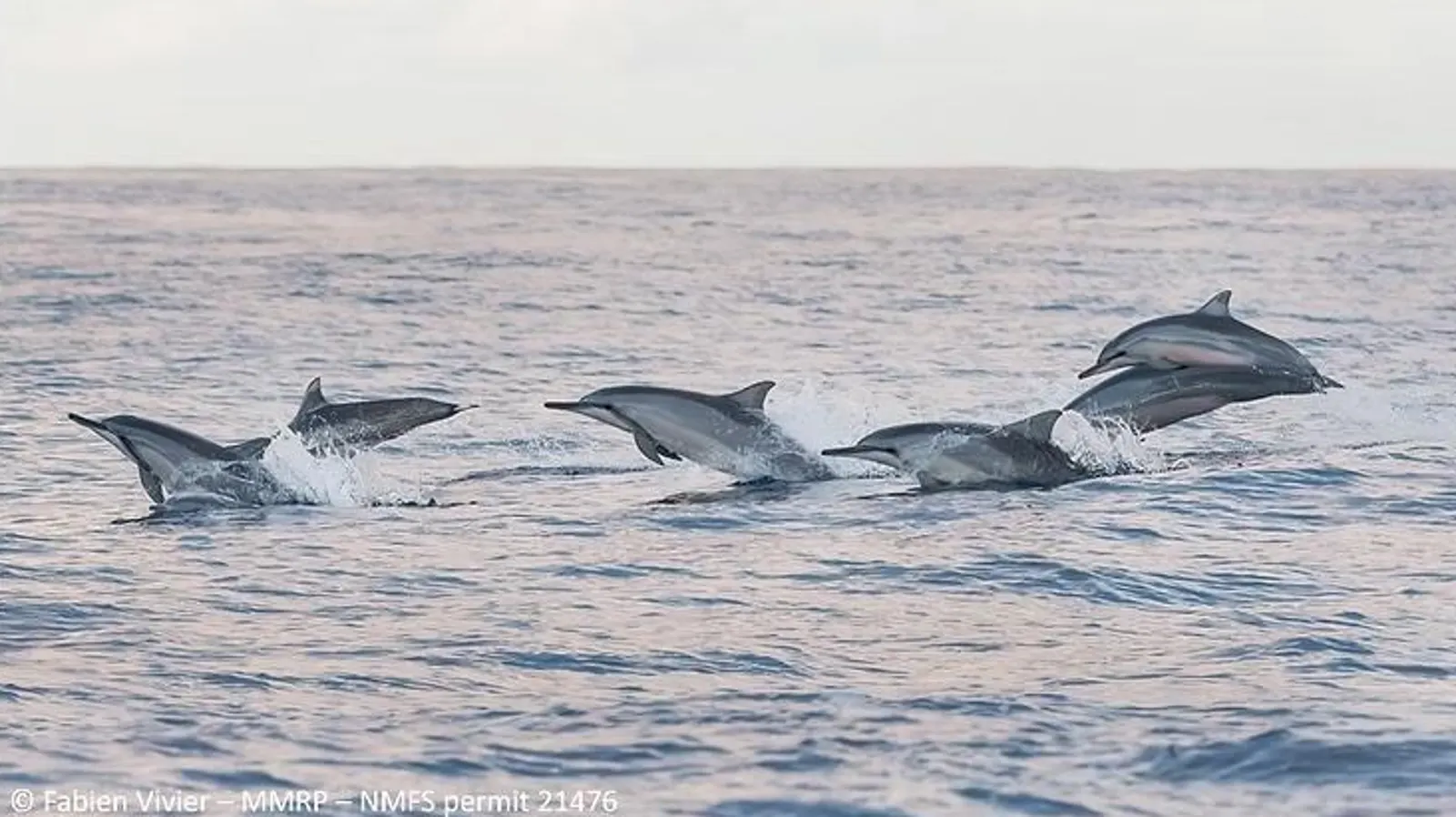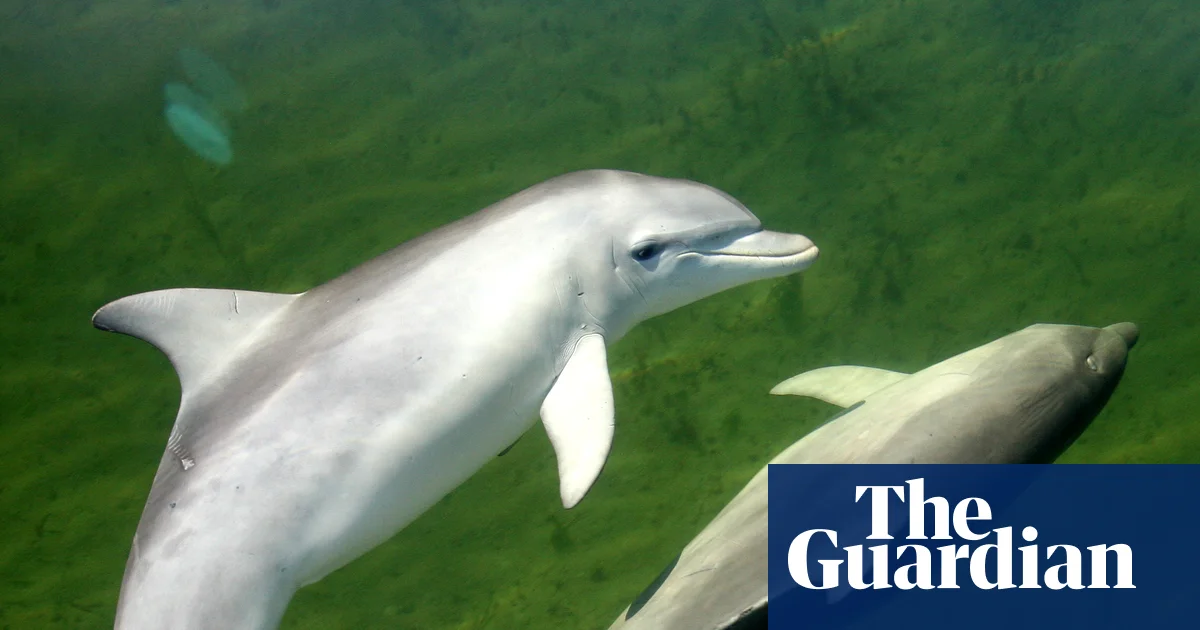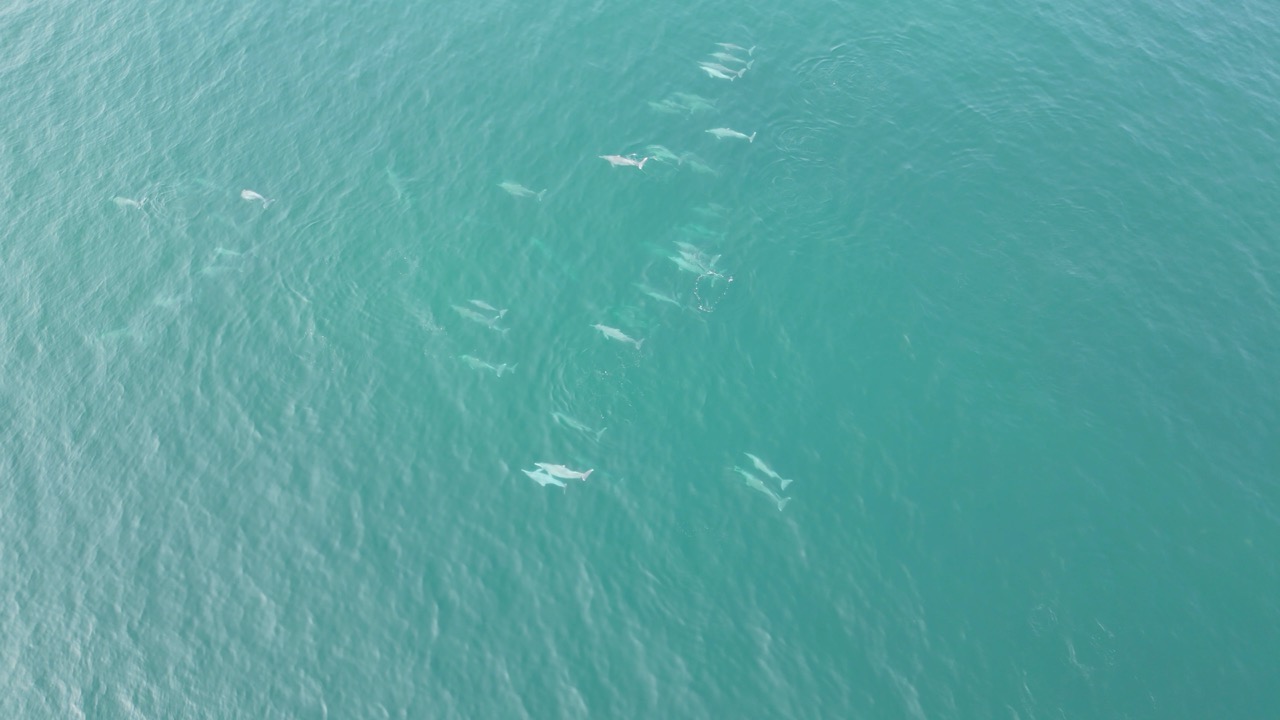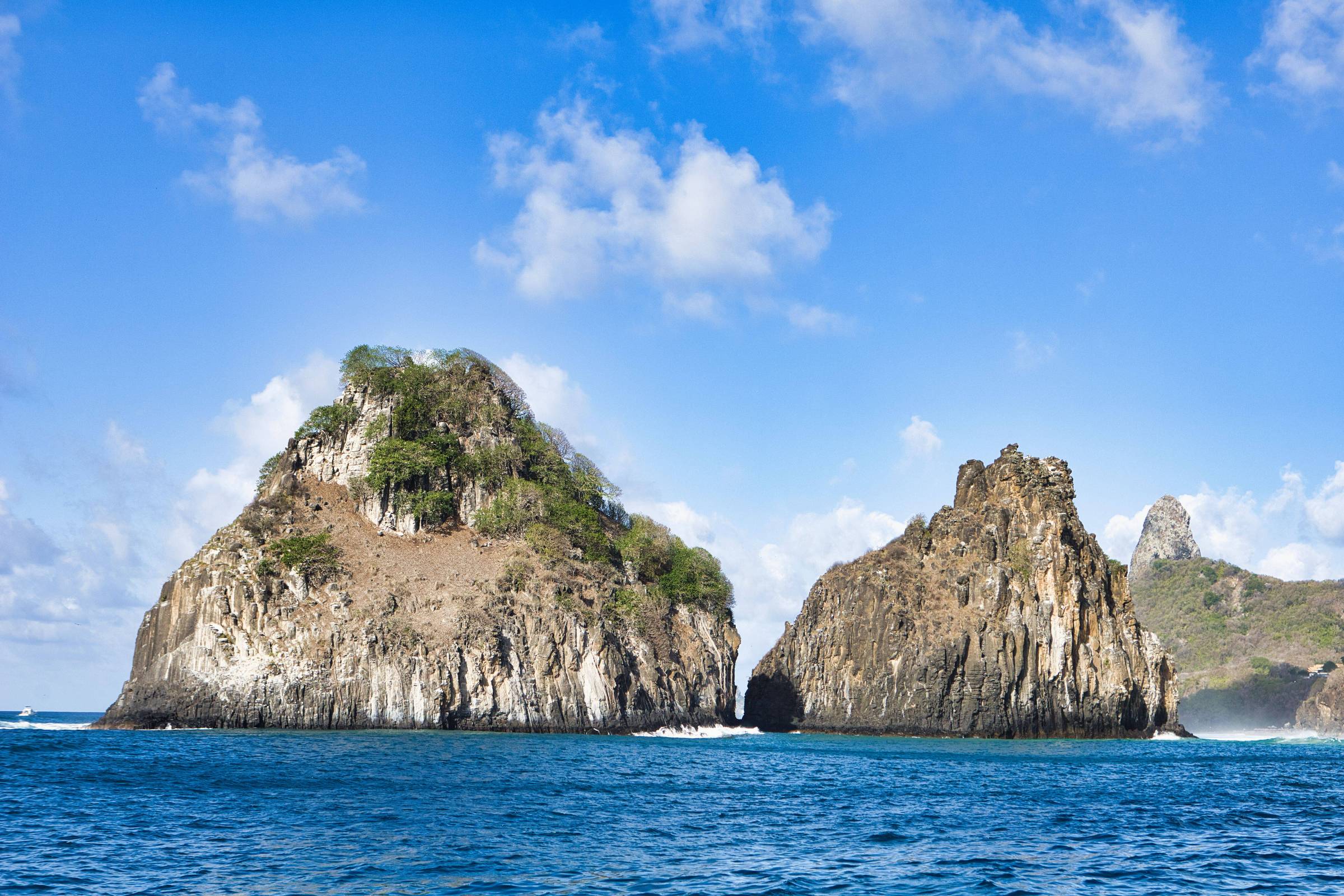
The number of spinner dolphins in Fernando de Noronha has fallen by nearly half over the past decade, according to data from the Spinner Dolphin Project. In Dolphin Bay, the daily average dropped from 252 animals in 2015 to 129 in 2025, a 49% decline. In Santo Antônio Bay and Entre Ilhas, the average fell from 476 to 258 over the same period, a 46% decrease. The project's researchers have monitored the dolphins for 35 years using binoculars and manual count sheets.Between 2004 and 2024, sightings showed only minor natural fluctuations, but 2025 marked a break from that pattern, recording the lowest count ever observed. According to oceanographer José Martins da Silva Junior, one of the project's founders, "our strongest hypotheses are changes caused by climate change, the growing presence of natural predators, especially tiger sharks, and the intensification of tourism in areas used by the dolphins. These hypotheses are not mutually exclusive, and we believe they are complementary."
In 2025, the Fernando de Noronha Marine National Park welcomed more than 140,000 visitors, its highest total since 2015, exceeding the monthly cap of 11,000 visitors set in an agreement between the federal and state governments in eight of the year's twelve months. Lilian Hangae of ICMBio said the excess of visitors is putting pressure on services such as water supply and sewage systems, increasing the risk of pollution. Fernando de Noronha's administration did not respond to requests for comment before publication.