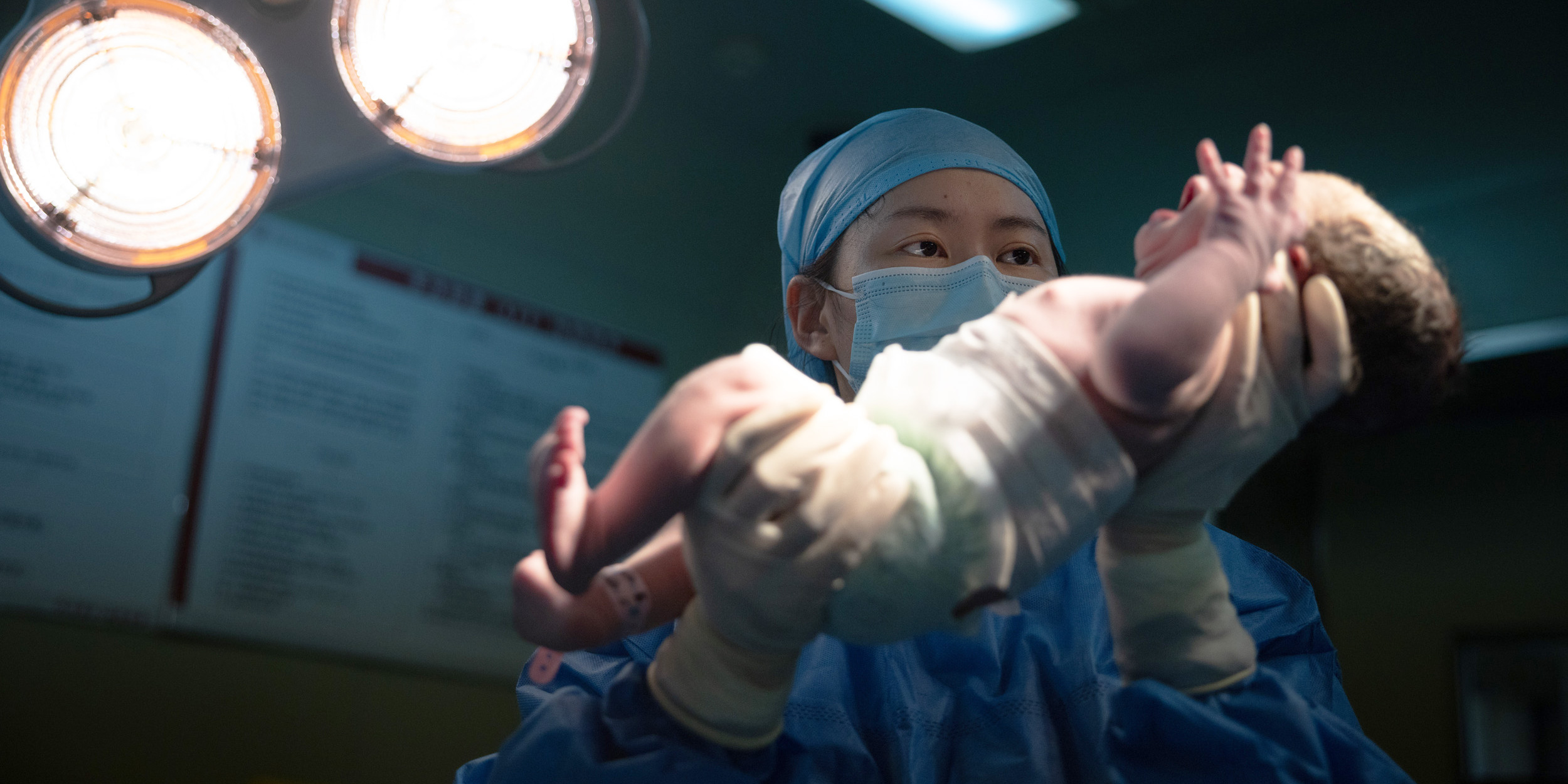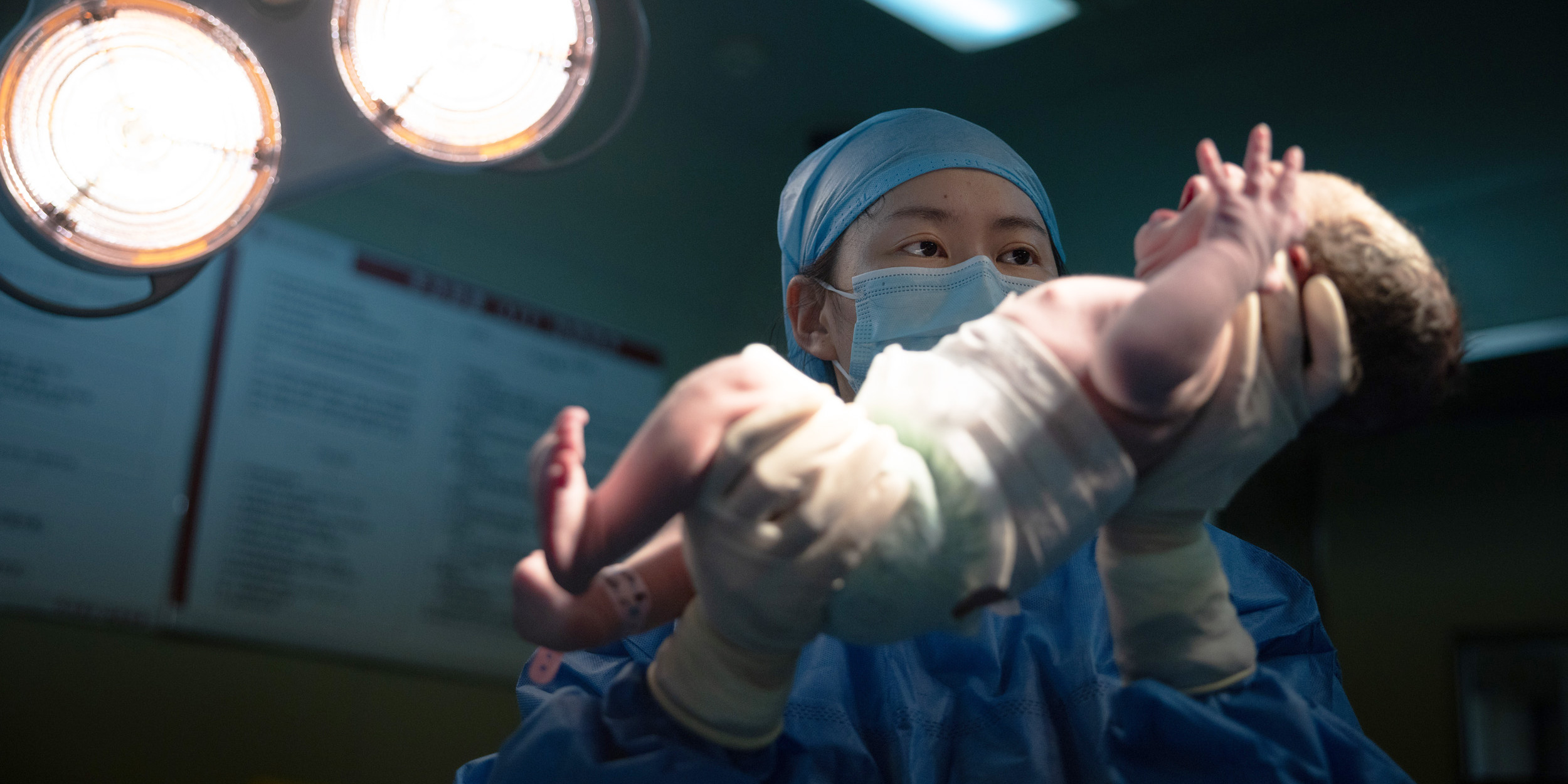
Longtime obstetrician Susan Sheridan understands well that on-call coverage is part of her vocation. But with the number of OB-GYNs who serve Wyoming’s second-largest city plunging from an average of six to just two, the schedule has become overwhelming. “When there’s five of us, every fifth day you’re responsible for ER coverage and consults, in addition to whatever you have scheduled in your day,” Sheridan said. “At this point, it’s now every other day for my partner and I to cover that.”Because the doctors must first take care of deliveries and medical emergencies, Sheridan said, essential but nonurgent services like annual exams get pushed back. And even though she always practices under safe conditions, she said, it can feel like the demands on her time and attention are so great that it’s impossible to give any single patient the full spectrum of her presence.
She’ll be in an exam room with a patient, for example, but part of her brain is thinking about a recent call regarding a mother with concerning vital signs laboring at the hospital. “I’m trying to finish up with this patient who’s talking to me about her menopausal symptoms and her depression, and I’m waiting to be called any second to have to walk out of her room to run over to the hospital in an urgent situation,” Sheridan said. “So it doesn’t really feel like anyone ever gets the very best care they could be getting, and that’s one of the biggest frustrations.”Three years after a WyoFile investigation revealed severe gaps in Wyoming’s maternity care system, deficiencies remain for women seeking prenatal, delivery and postpartum care and resources in the Equality State.