A pregnant woman in rural America may have to drive two hours — sometimes more — to reach a hospital that can deliver her baby. If labor comes early or complications arise, that distance becomes dangerous.
This is happening in the United States in 2026 — not because we lack medical knowledge or technology, but because we have failed to train and place the physicians where they are most needed.
The crisis seems paradoxical. The U.S. fertility rate has declined by 23% over the past two decades. Fewer babies should mean less strain on the system. But that is not what is happening. In many parts of the country, especially rural communities, access to maternity care is shrinking, not expanding.
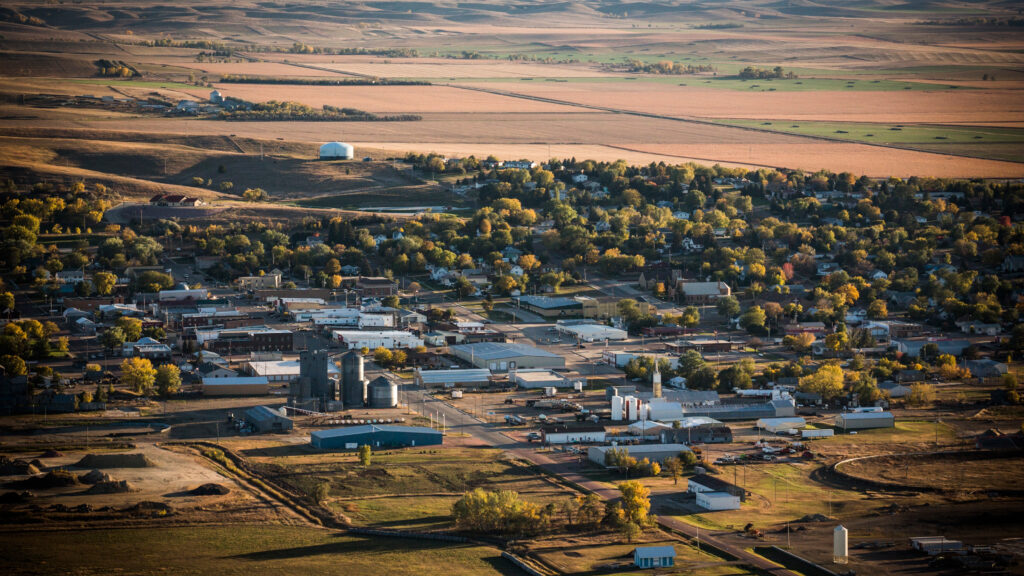
Consider South Dakota. It has one of the highest fertility rates in the nation. Yet more than half of its counties are classified as maternity care deserts — areas with no hospital or birth center offering obstetric services and no obstetric clinicians, as defined by the March of Dimes.
Despite this need, South Dakota has no obstetrics and gynecology residency program to train physicians. The state relies on importing doctors trained elsewhere — a strategy that is increasingly difficult to sustain. Physicians who do not train in rural settings are less likely to practice there long term.