Story audio is generated using AI
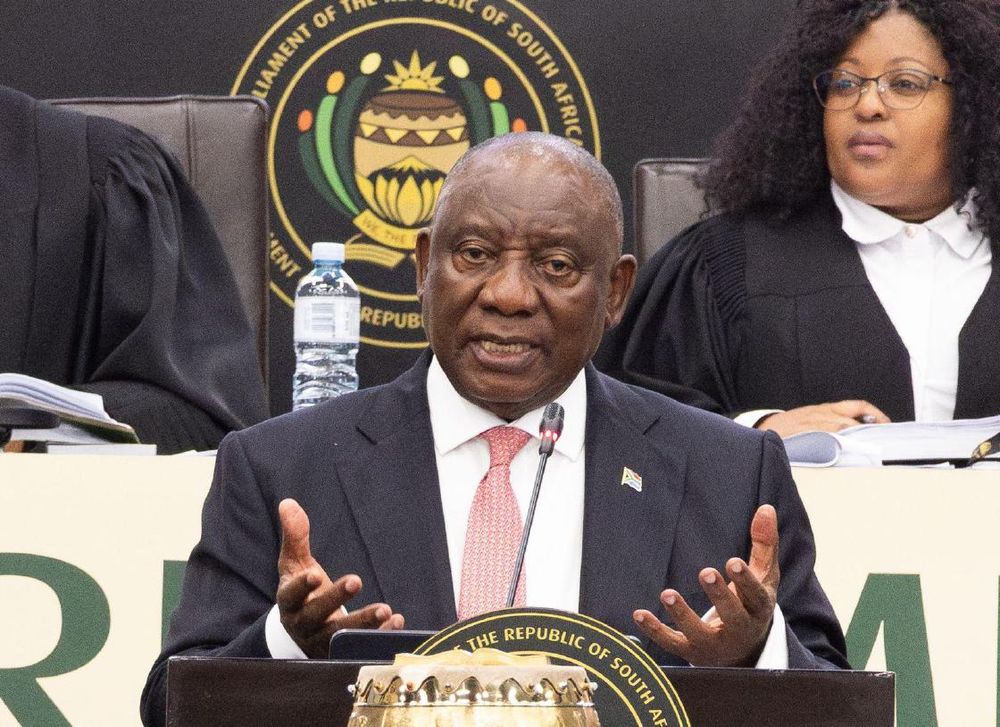
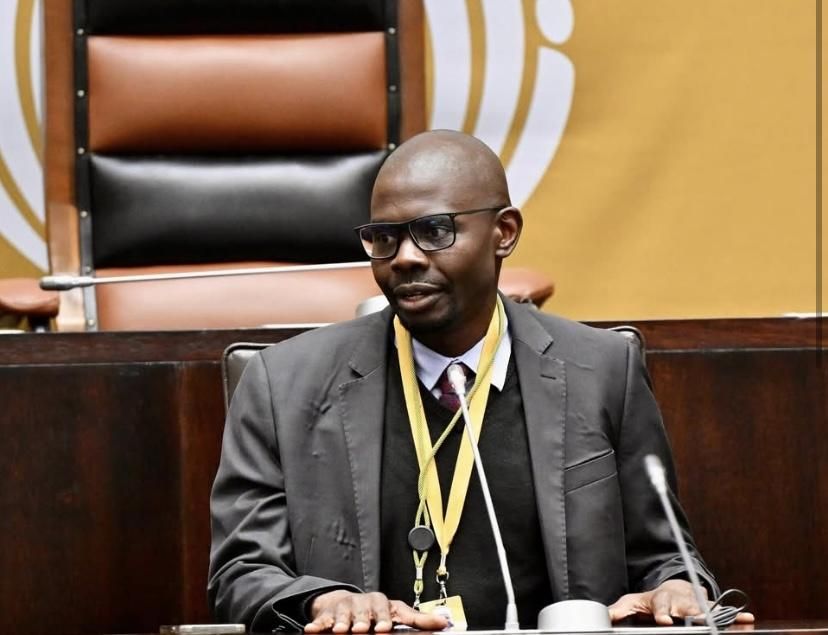
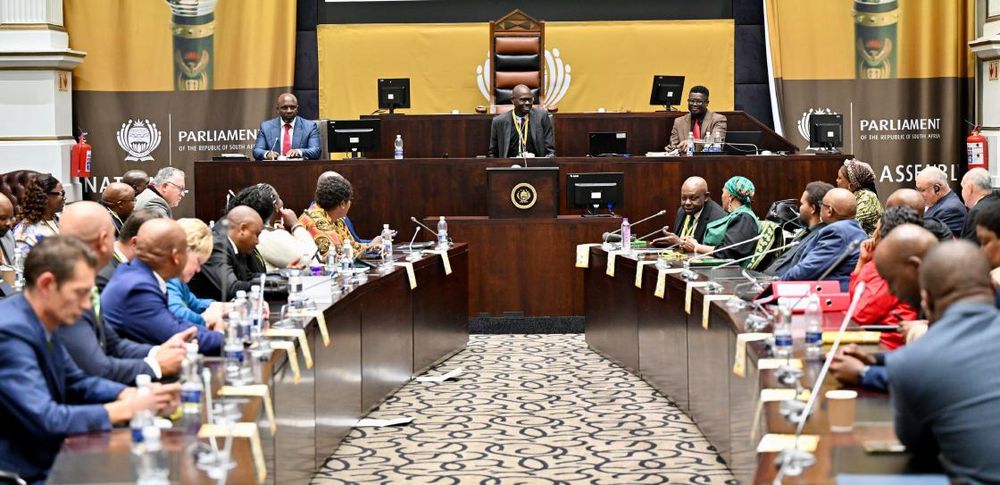
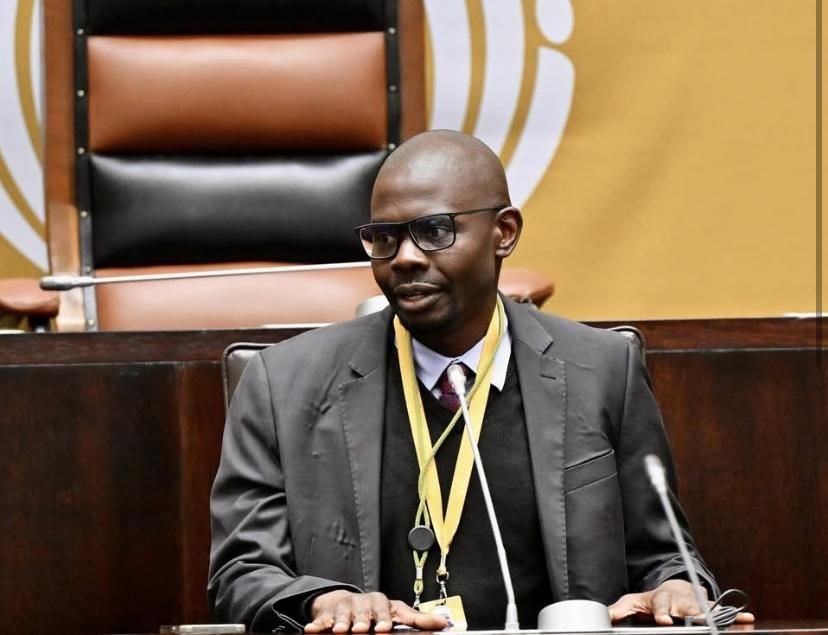
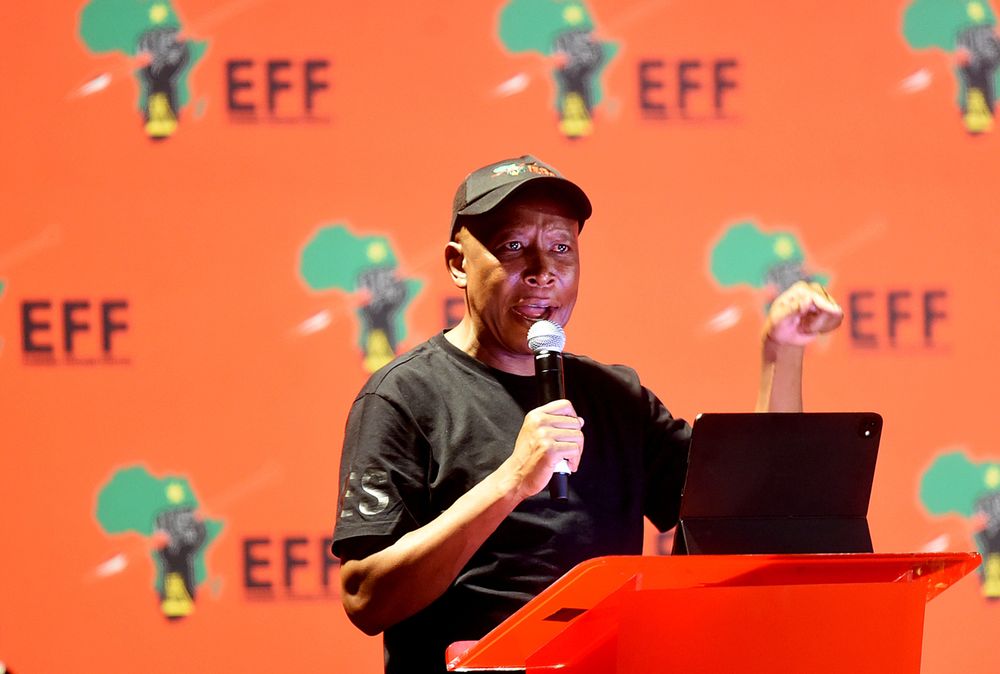
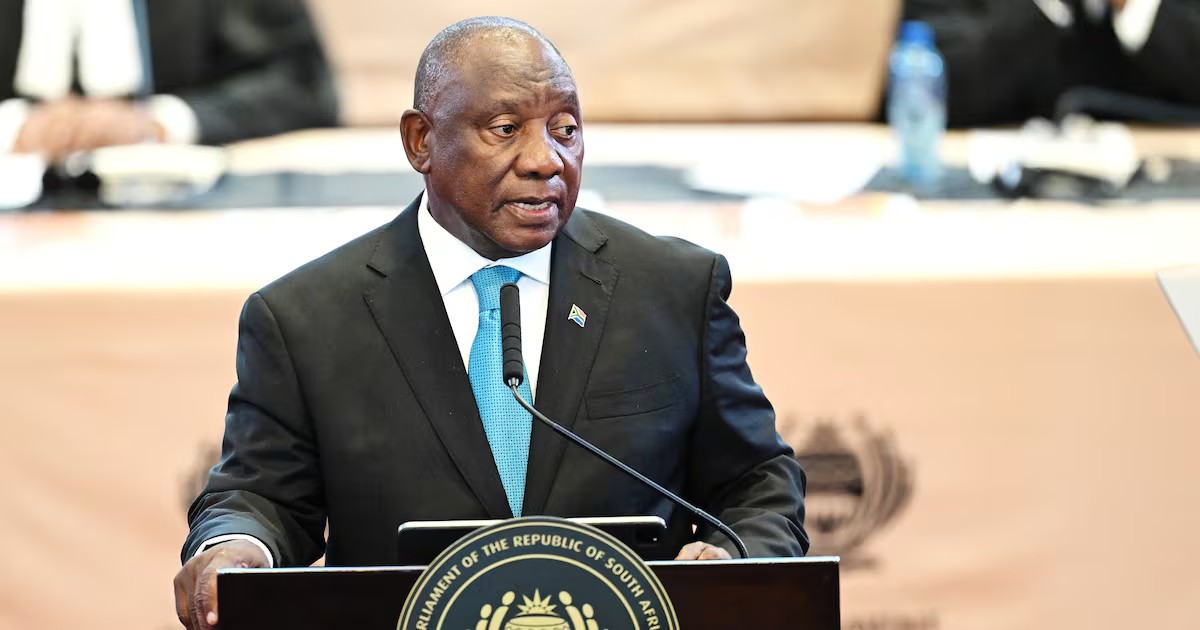
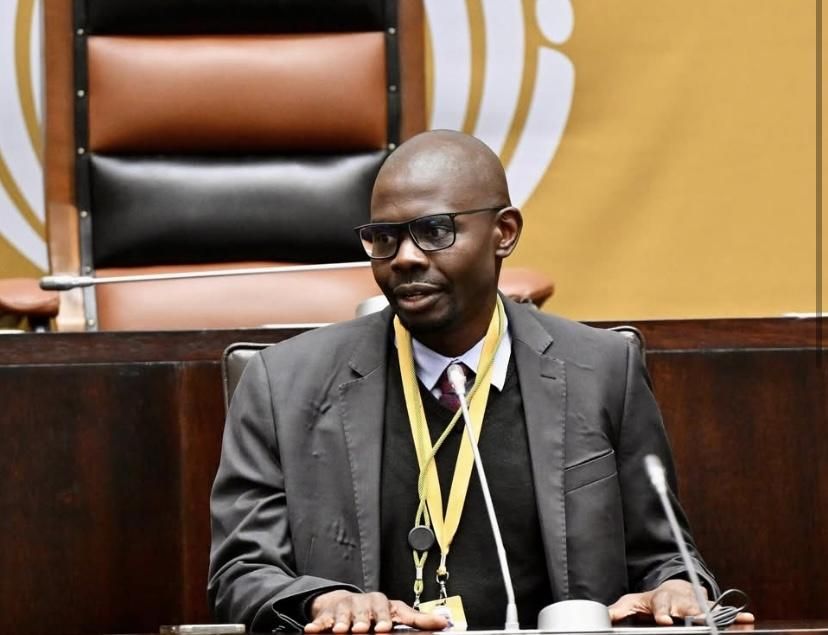
Parliament’s section 89 impeachment committee has voted to appeal directly to the Constitutional Court to challenge the Western Cape High Court’s interim interdict halting public hearings on President Cyril Ramaphosa’s impeachment inquiry. The decision came after lengthy debate in which most opposition parties argued the judgment undermines parliament’s constitutional oversight powers and risks creating a precedent that could allow future presidents and other public office-bearers to delay accountability through litigation.The ANC, Freedom Front Plus (FF+) and the Patriotic Alliance opposed an appeal, arguing the interim order is temporary and that the committee should instead focus on preparatory work pending the review application in September.Prospects of successACDP MP Steve Swart argued that the judgment was precedent-setting and should not be allowed to stand unchallenged. He warned that allowing the ruling to remain could delay impeachment proceedings for years through successive court applications and said the dissenting judgment demonstrates there are reasonable prospects of success on appeal.United Africans Transformation (UAT) leader Wonderboy Mahlatsi agreed, saying parliament has a constitutional obligation to defend its independence. He told members that the UAT, ATM, EFF and the MK party have already lodged applications for leave to appeal directly to the Constitutional Court and argued that the limits of judicial intervention in parliamentary processes has to be clarified.MK party MP John Hlophe said the committee has already resolved to oppose Ramaphosa’s court application and there is no reason to abandon that position after losing in the high court.“Once you decide to embark on litigation, it carries within it the risk that you may lose before the initial hearing. A wise man or a wise woman would carry on and appeal,” Hlophe said.Bosa leader Mmusi Maimane said the judgment appears to place greater weight on protecting Ramaphosa’s reputation than on the public interest in establishing the truth behind the allegations against the president. He argued that a speedy resolution is in the interest of Ramaphosa and the country and warned that prolonged litigation could damage confidence in parliament’s accountability processes.ATM leader Vuyo Zungula described the judgment as vague and said the principles underpinning the committee’s earlier decision to oppose Ramaphosa’s application have not changed.“The principles that were prevalent at the time were to protect the constitutional mandate of the committee and the authority of parliament. Those principles have not changed,” he said.Zungula argued that the judgment fails to define what constitutes a public impeachment hearing and warned that uncertainty over the scope of the order could effectively prevent parliament from exercising its constitutional oversight powers for years if further appeals follow.EFF MP Omphile Maotwe argued that the Constitutional Court had intended that the independent panel report proceed through parliament’s impeachment process and warned that allowing successive review applications and interim interdicts could enable future presidents to frustrate accountability through litigation.‘Maybe we should appeal’DA MP Glynnis Breytenbach said she changed her position during the debate.“Having initially been of the view that we should not appeal, I’m persuaded by the arguments of colleagues that perhaps we should appeal,” she said.Breytenbach said there is value in obtaining certainty because the judgment is “somewhat ambiguous and vague” and could have lasting implications for parliament’s constitutional powers.UDM leader Nqabayomzi Kwankwa also backed an appeal, saying the split judgment itself demonstrates there are reasonable prospects of success.He argued that though the order is interim, it has immediate constitutional consequences because it restrains parliament from exercising its constitutional powers while the review application is pending.Kwankwa warned that allowing the judgment to stand without challenge could create a precedent affecting parliament’s ability to hold not only presidents but also heads of Chapter 9 institutions and other constitutional office-bearers to account.OppositionANC MP Mika Mahlaule questioned parliament’s legal opinion, arguing that it does not clearly define the limits of preparatory work or explain what constitutes public hearings. He also questioned whether evidence leaders will be permitted to engage with potential witnesses without breaching the court order.Despite those concerns, Mahlaule argued that the committee should not appeal because the interdict is temporary pending the determination of Ramaphosa’s review application.FF+ MP Wouter Wessels also opposed an appeal, arguing that the committee has little prospect of successfully overturning the interim order. He maintained that the court has suspended only public hearings and not the committee’s broader constitutional mandate, meaning members could continue with preparatory work while awaiting the September review hearing.PA MP Marlon Daniels urged the committee not to appeal. He warned that courts will examine the substance rather than the terminology used by the committee and cautioned against attempting to characterise substantive work as merely preparatory.“A court would look at substance and not terminology,” Daniels said.Daniels argued there is little practical justification for appealing as the review application is expected to be heard within weeks.“We are not protecting an individual person. We are protecting the process, and the record has to survive a court,” he said.Before members voted on whether to appeal, senior parliamentary legal adviser Susanne Isaacs advised that though the high court has prohibited public impeachment hearings, it has not prevented the committee from continuing with preparatory work. She said members can appoint evidence leaders, finalise terms of reference and undertake administrative preparations, but cannot hear witnesses or consider evidence while the interim interdict remains in force.Acting on that advice, the committee also voted 16-8, with one abstention, to reverse last week’s decision to invite the authors of the Independent Panel Report to brief MPs. Instead, members resolved that the report be presented by the committee’s evidence leaders because it now forms part of the committee’s proceedings.The committee will now continue with preparatory work while seeking leave to appeal directly to the Constitutional Court. Public impeachment hearings remain suspended pending the outcome of Ramaphosa’s review application.Update: July 29 2026This article has been updated with new information.Business Day