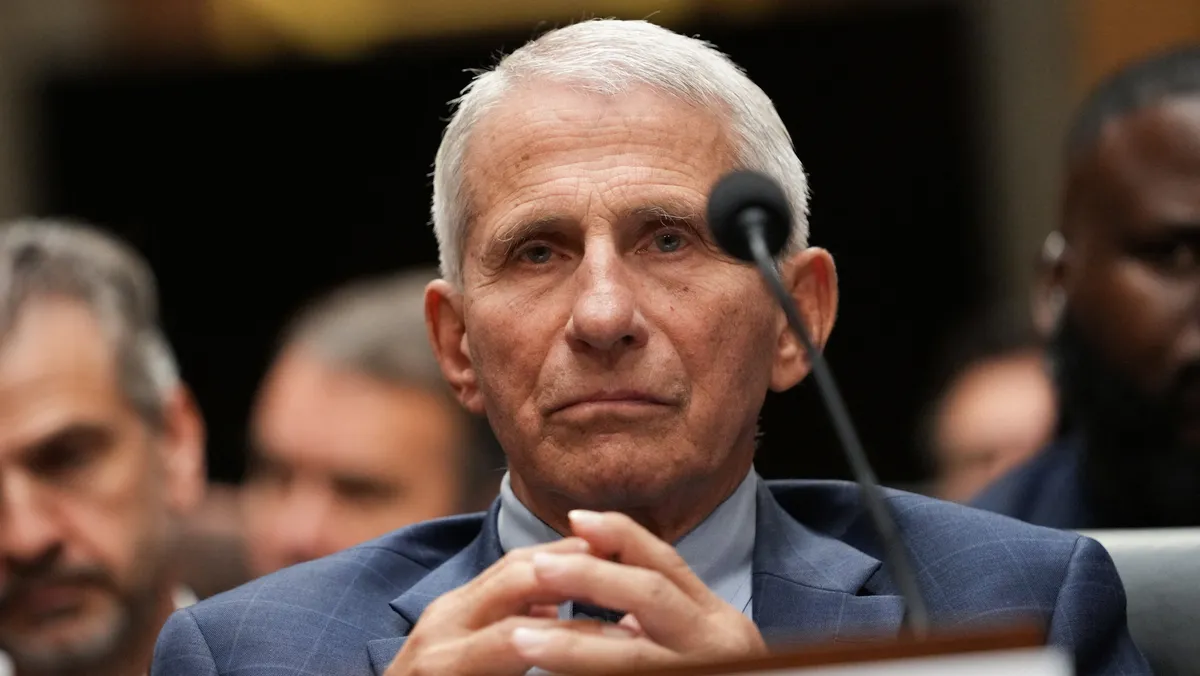
Pandemic closures were devastating to Americans, and they were largely the result of Dr. Anthony Fauci's influence – influence he wielded while consumed with his own fame.Show Caption
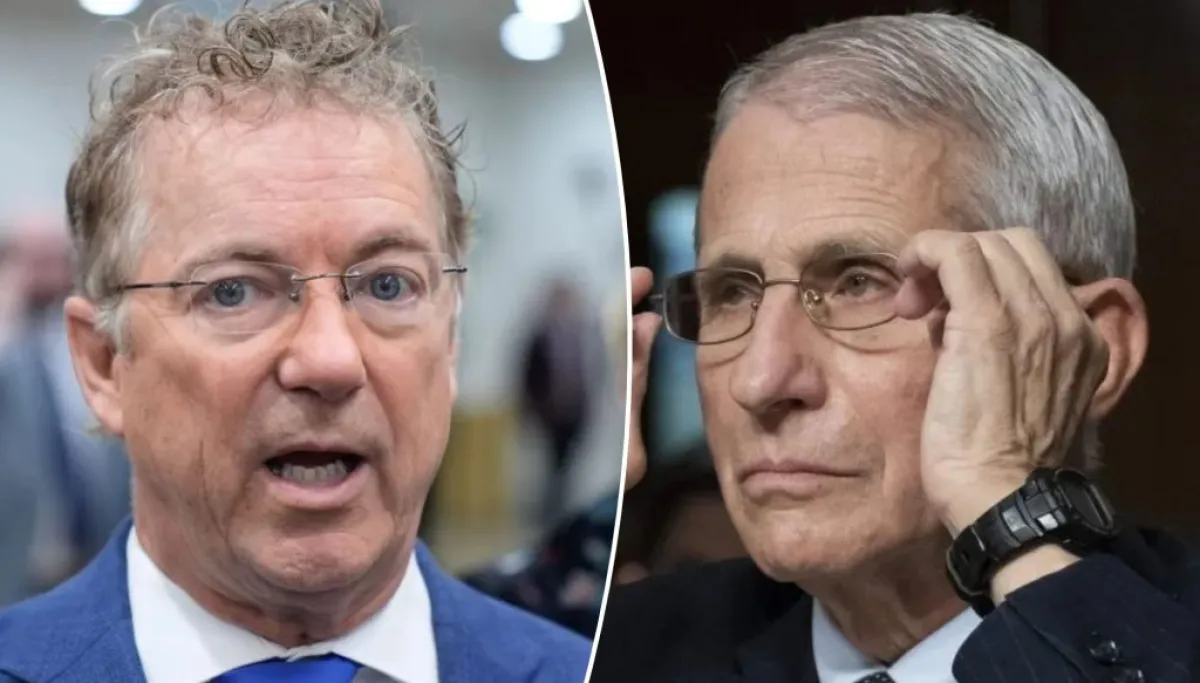
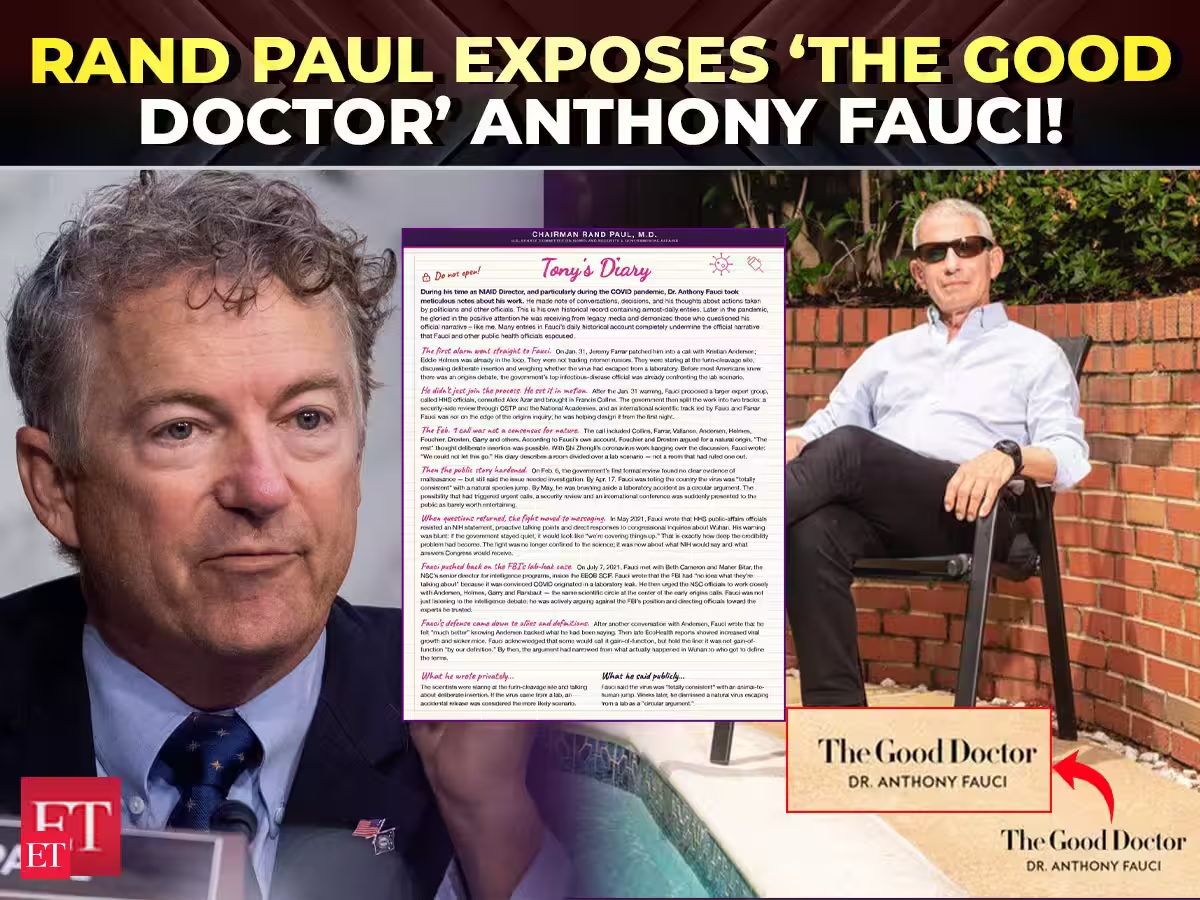
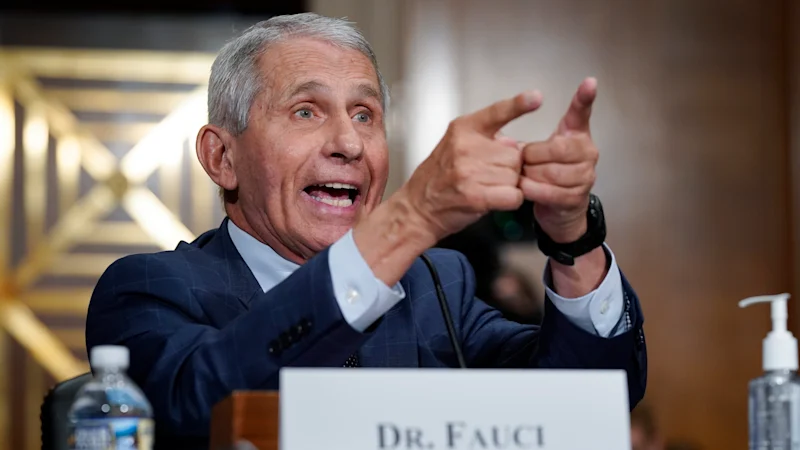
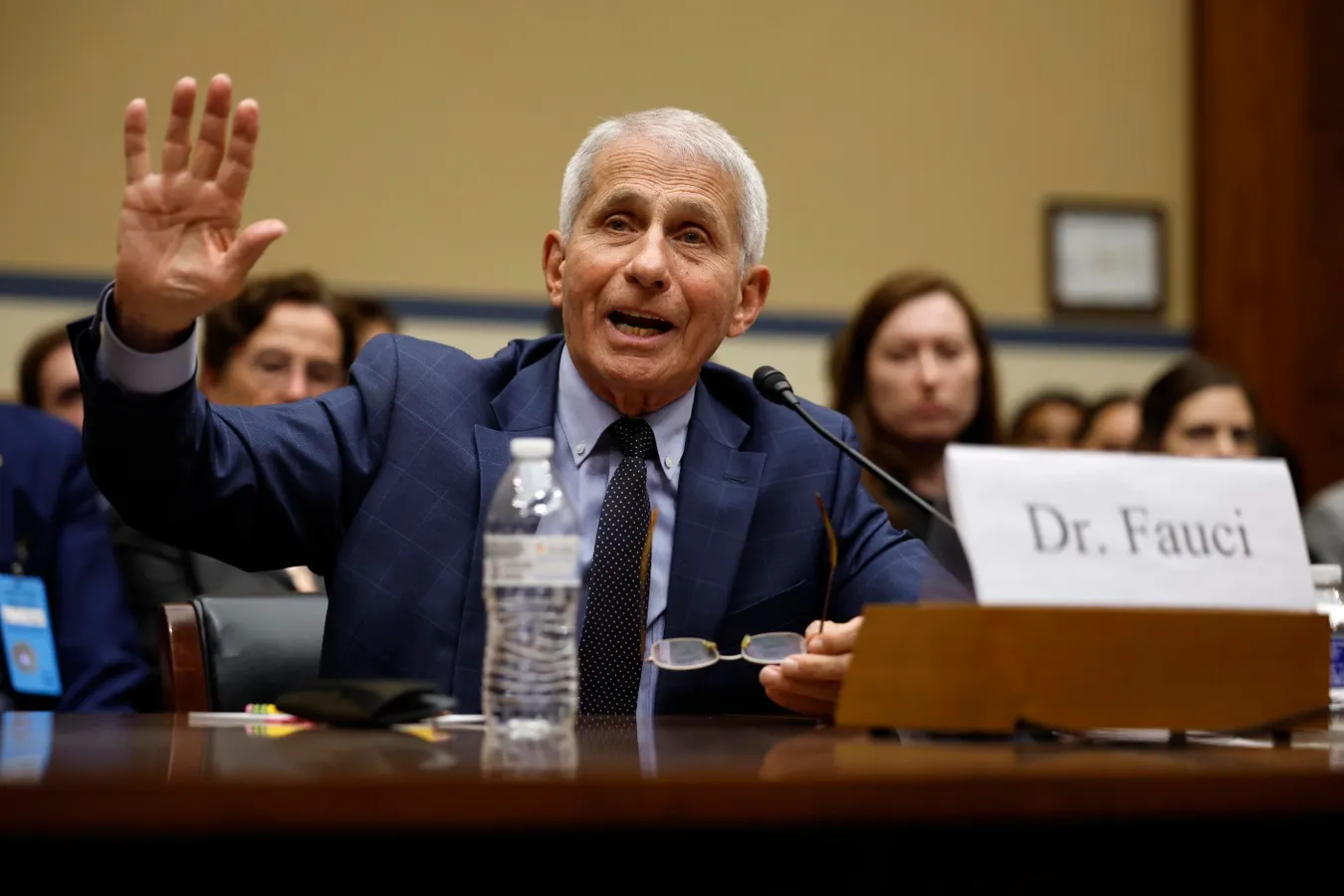
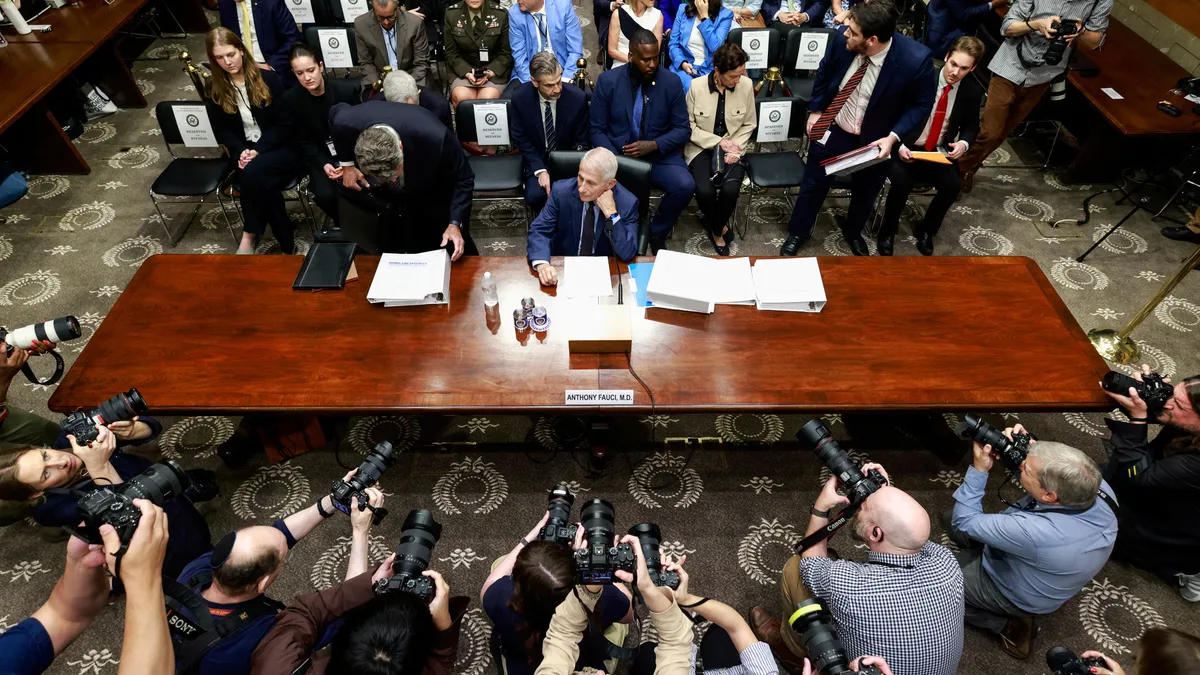
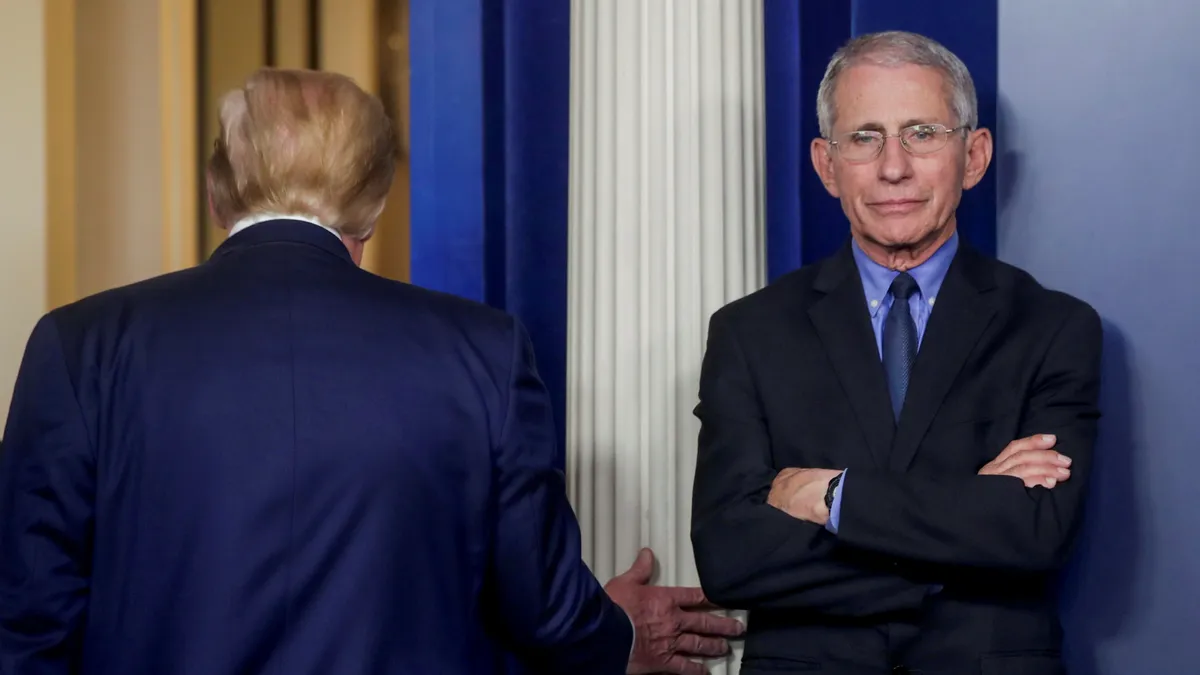
For many, the COVID-19 pandemic was so painful that it is easier to remember as a distant, grainy blur than to confront directly. But its economic, psychological and social repercussions remain as devastating today as they were in 2020, and facing that truth still demands sober facts, transparency and accountability.That's what makes it so maddening to learn that Dr. Anthony Fauci, the public face of the pandemic response, was – and remains – dishonest, wrong and egomaniacal.Fauci's diary entries, released by Sen. Rand Paul, R-Kentucky, in a 1,141-page document spanning late 2019 to December 2022, reveal a man who saw himself less as a serious scientist than as a hero in the making. The notes read like raw material for a future memoir by the former director of the National Institute of Allergy and Infectious Diseases.Paul, chairman of the Senate Committee on Homeland Security and Governmental Affairs, released the personal diary ahead of Fauci’s July 29 testimony before the panel.Already, the hearing has made for revealing theater. Paul ordered security to remove Fauci's lawyer because he refused to stay in his seat. The witness has refused to answer any of the senator's questions, instead exercising his Fifth Amendment right not to incriminate himself. Fauci said far more in his journal entries than he has in a hearing meant to expose, or at least investigate, what went wrong during the government's response to the pandemicFauci's silence may be legally prudent, but his poor decision-making has already been proven: While millions of Americans suffered from COVID-19 or the lockdowns he advised the Trump administration to mandate, Fauci was manufacturing a false narrative about the disease's origins and reveling in the media attention it brought him.'Many entries in Fauci's daily historical account completely undermine the official narrative'In the preface, Paul wrote that "many entries in Fauci's daily historical account completely undermine the official narrative that Fauci and other public health officials espoused." This appears true.The official line was that COVID-19 jumped from an animal to a human at a wet market in Wuhan, China. Yet after a Feb. 1, 2020, conference call with prominent scientists, Fauci noted that "there was not total agreement about the likelihood of deliberate insertion" – and later wrote, "we could not let this go." Just two of the scientists on the call believed a natural origin was likely.Before most Americans had heard of COVID-19, Fauci was already dismissing the possibility it emerged from gain-of-function research in a lab, a theory a Republican-led committee investigating the pandemic would later conclude, in a 2024 report, was in fact the origin.Throughout the pandemic, Fauci dismissed lab-leak discussion as conspiracy theory. Yet his diary shows him obsessed with the idea, or at least obsessed by association: The word "conspiracy" appears nearly 40 times, either in his own writing or in clippings he kept.Fauci flip-flopped on school closures, in public and in private. In a Jan. 25, 2020, entry, he questioned China's approach: "Why are the Chinese reacting so dramatically by essentially shutting down the entire country?" By March 15 – a "BIG DAY!" in his telling – he was encouraging California Gov. Gavin Newsom and then-New York Mayor Bill de Blasio to shut schools and lock down large parts of the economy. Later, in press interviews, he claimed he'd never argued for locking anything down.Given what we now know about the damage those lockdowns caused, Fauci should have been far more consumed with the truth than with whether "fringe far-right crazies are cooking conspiracy theories" about him.Fauci is hubristic and press-obsessedWorse than his dishonesty is his stunning hubris and obsession with media coverage. His entries chronicle radio and television hits, and mentions in print – favorable ones especially, but unflattering ones, too. The word "press" appears nearly 1,400 times, and most of those entries open with the day's COVID-19 death toll.On Jan. 29, 2020, Fauci wrote: "Got a call this AM from Lou Dobbs who told me that President Trump will be calling me. Lou spoke with the POTUS and told him that I was the 'smartest person' around and he should speak with me."By that March 5, with 12 deaths recorded in the United States, Fauci was preoccupied with a Politico profile: "Press stories that the White House did not like the Profile of me in Politico since it is off message (Really???). Yet everyone in the WH is congratulating me on the piece (watch your back, Tony)."He added that he feels safe, since "the public adulation of me has been amazing," with interns and veterans alike stopping by to thank him and ask for selfies.On April 15, 2020, Fauci recorded: "Multiple editorials (print news Washington Post, etc.) and opinion pieces (Newsweek) written about me. Cannot keep up or even read all of them. Country needs someone to look up to in the face of Trump presidency. Interesting psychodynamics."He added that a Georgia brewery had named a beer after him: "Fauci Spring."COVID-19 pandemic closures were devastatingPandemic closures were devastating to Americans, and they were largely the result of Fauci's influence – influence he wielded while consumed with his own fame.COVID-19 killed more than a million Americans. Statewide lockdowns and closed businesses and schools stemmed initially from the social distancing guidance of the Centers for Disease Control and Prevention, an agency Fauci effectively spearheaded on this front.As a mom of four, I was especially vocal about the harm that closing schools for months or years would cause children. Data now shows two decades of learning loss. Teens grappled with severe anxiety and depression. Kids with learning disabilities struggled the most. Children learning to read and write at the beginning of the pandemic had difficulties catching up.Schools should never have been closed for more than a few weeks: Infants and young children rarely showed any adverse effects of the coronavirus. And according to a report published in the Journal of the American Medical Association in 2023, COVID-19 constituted just 2% of all causes of death among babies to 19-year-olds. But the learning loss has been irreparable.The economic devastation lingers. In June 2021, 6.2 million people didn't work at all, or worked fewer hours, because their employers had closed or lost business. Net U.S. real gross domestic product losses from COVID-19 are estimated to range between $3.2 trillion and $4.8 trillion over two years, driven mostly by mandatory closures and partial reopenings.Science is supposed to be about open inquiry. Fauci, the government's mouthpiece, offered something else instead: Trust me, trust the settled science, while I inflate my own ego. But the science was never settled. What was settled was that the government didn't trust the people – and it was wrong anyway, thanks to Fauci's grandiosity and misplaced priorities. In a democracy, that's disturbing.I don't know what's worse: that the man who managed the scientific, political and societal fallout of the pandemic – including lockdowns that decimated the economy and set children's learning back for years – was as wrong about the science as he was about his own status as a public health hero, or that the press he loved so much may never hold him to account.Nicole Russell is an opinion columnist with USA TODAY. She lives in Texas with her four kids. Sign up for her newsletter, The Right Track, and get it delivered to your inbox.