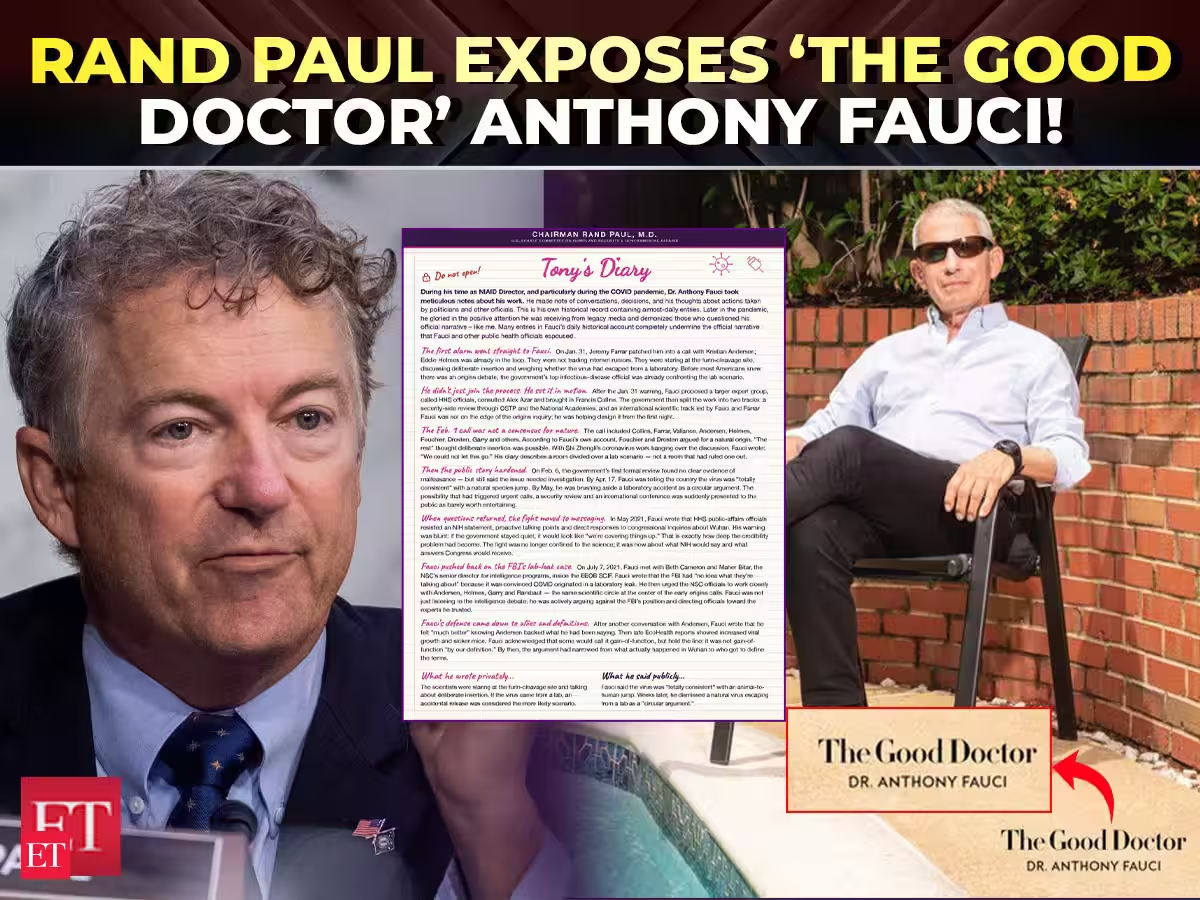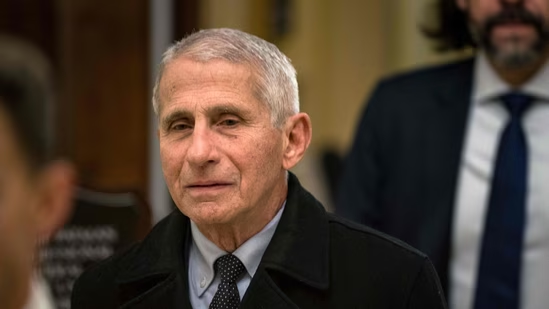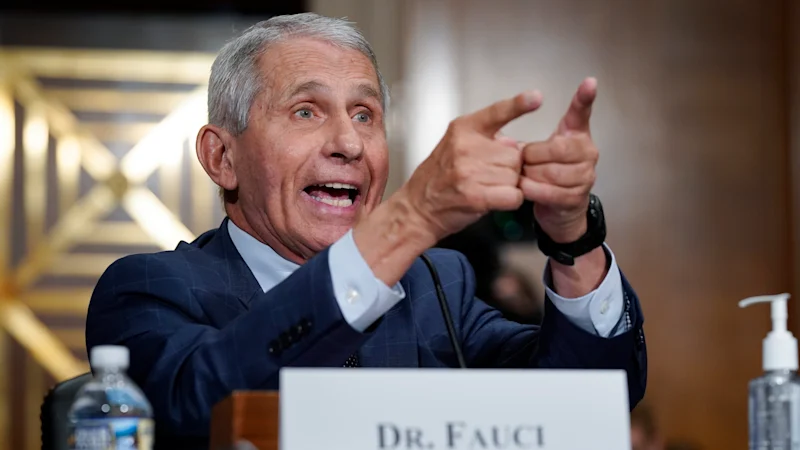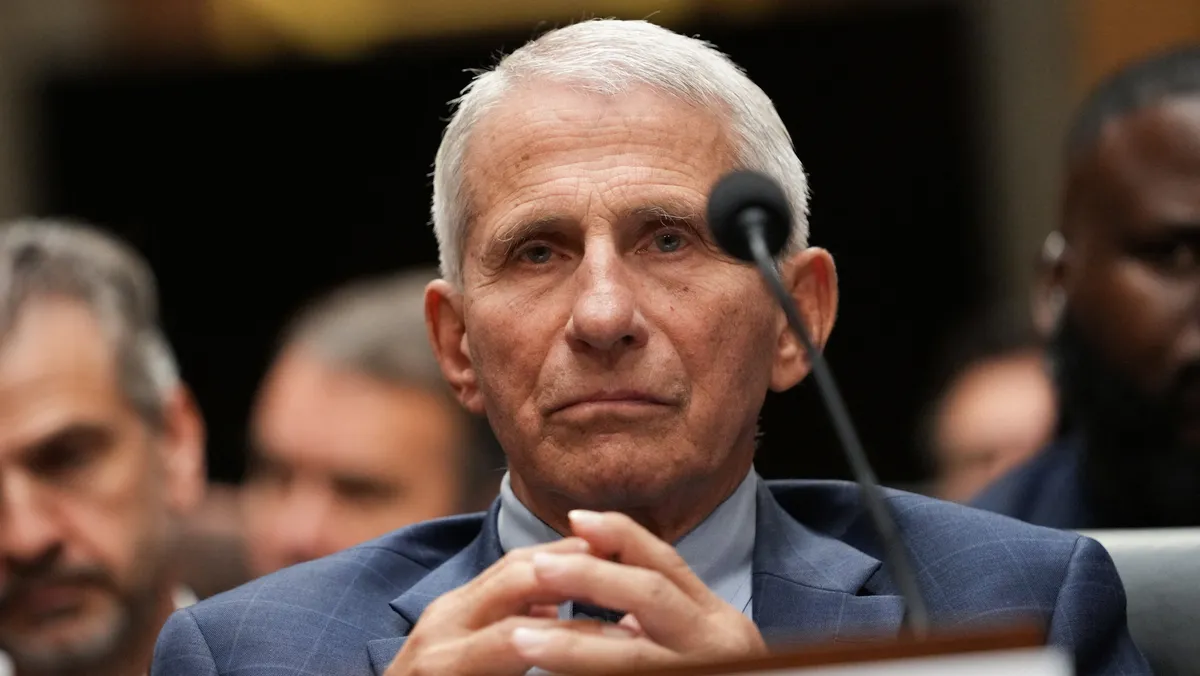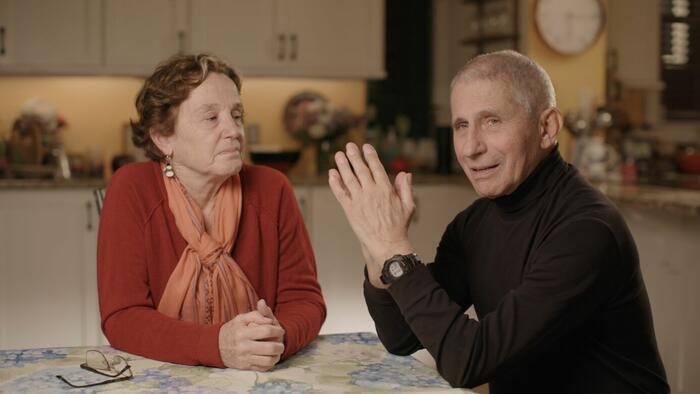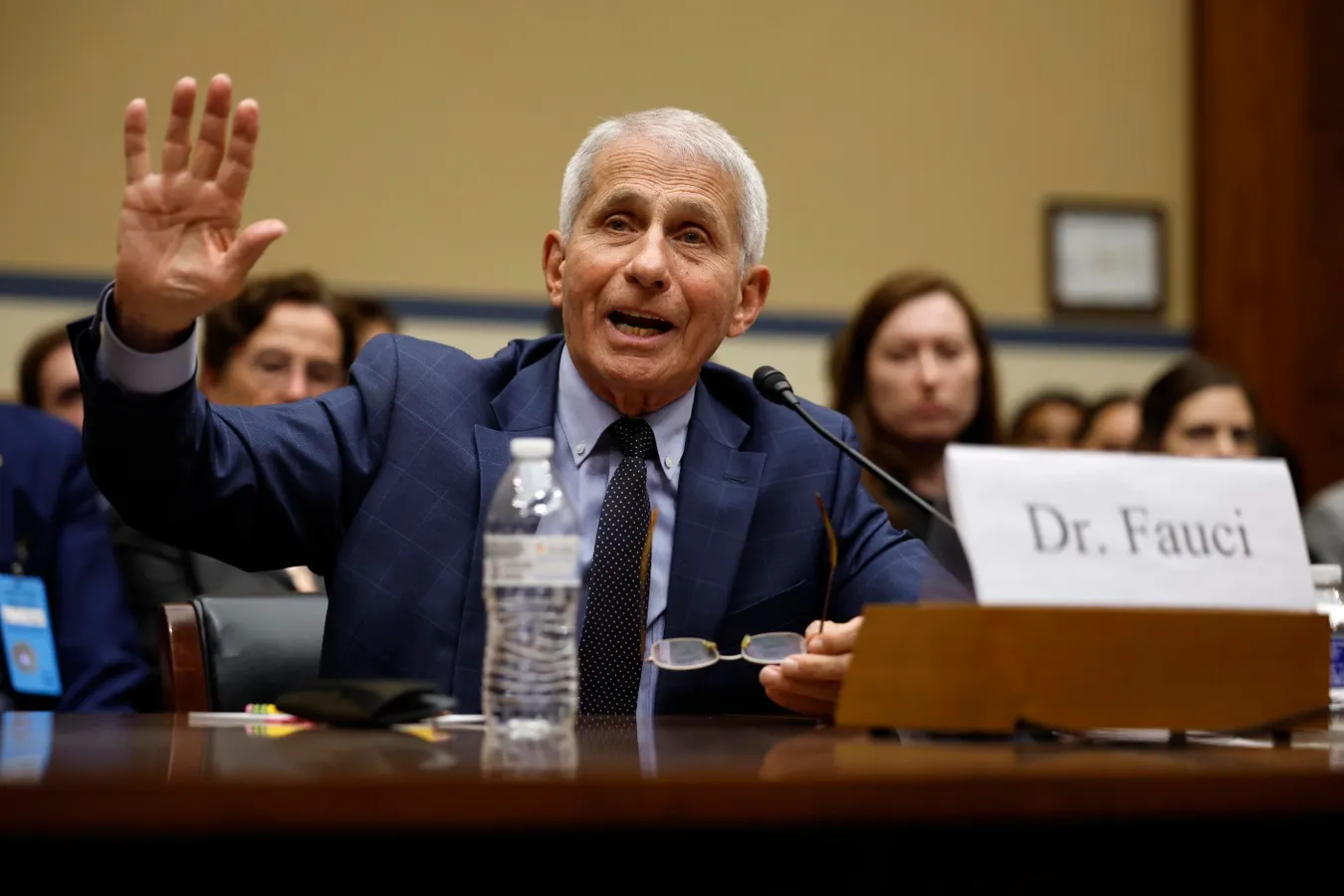
Anthony Fauci’s private writings from 2020 and beyond portray a public health official who was fixated on his growing celebrity while privately grappling with a pandemic response he believed was chaotic, leaderless, and consumed by internal rivalries.The writings of the nation’s former leading medical voice during the COVID-19 pandemic are part of a 1,141-page release published by Senate Homeland Security and Governmental Affairs Committee Chairman Rand Paul (R-KY) last week ahead of Fauci’s scheduled testimony on Wednesday.Paul, a longtime critic of Fauci, has characterized the documents as evidence that the former National Institute of Allergy and Infectious Diseases director misled Congress and placed personal interests above transparency. Fauci has previously rejected Paul’s allegations.
The committee separately released records concerning Fauci’s awards and prize money. Those documents show federal ethics officials reviewing the awards, approving some payments, and prohibiting others. They do not contain a finding that Fauci violated ethics rules.Here are six key takeaways.1. Fauci closely tracked his public image
Fauci’s diary is part pandemic record and part personal press archive. Hundreds of entries list interviews, flattering articles, celebrity encounters, and awards.On April 5, 2020, as COVID-19 cases and deaths climbed, Fauci noted a “nice article” in the Washington Post about his relationship with former White House Coronavirus Task Force coordinator Deborah Birx and a “beautiful profile of me” from the BBC.President Donald Trump listens as White House coronavirus response coordinator Dr. Deborah Birx speaks during a coronavirus task force briefing at the White House in Washington. Birx has emerged as one of the most important voices in the administration in response to the coronavirus pandemic.