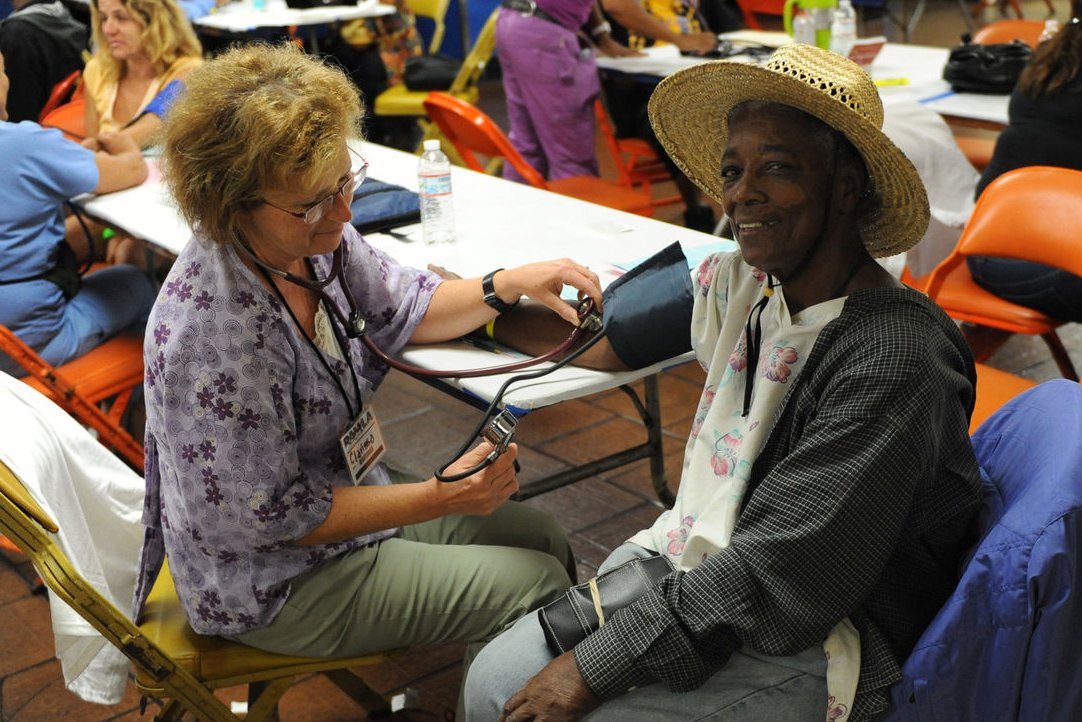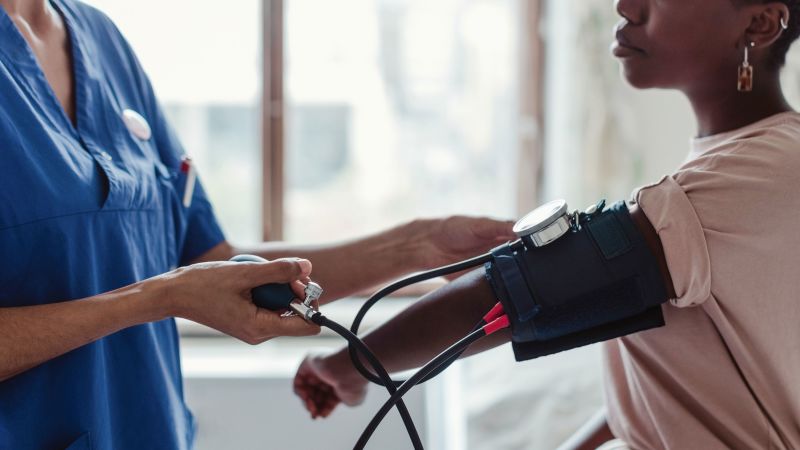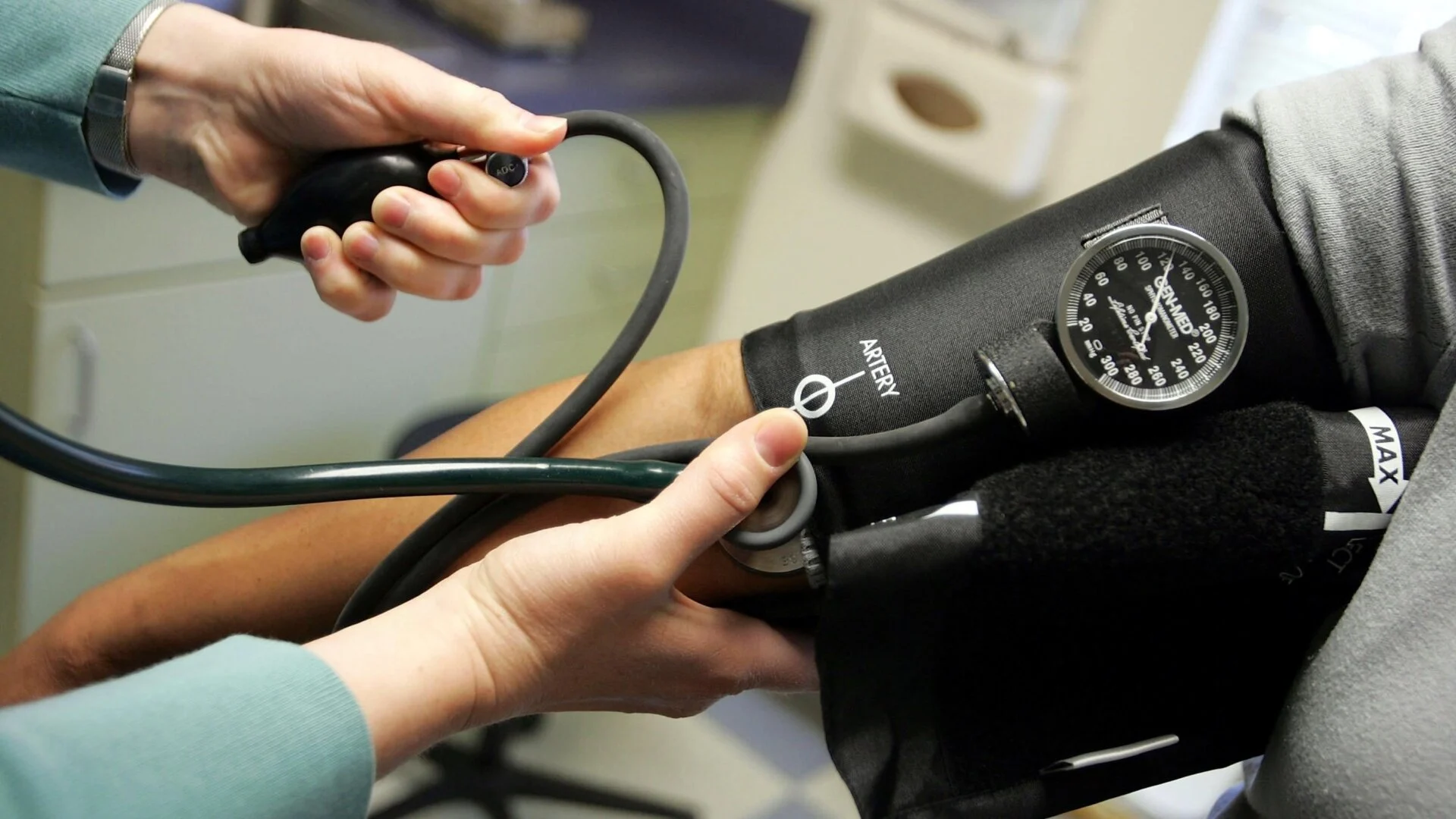
Millions of Americans would benefit from blood pressure-lowering medications, research out today shows—yet plenty are going untreated. An international team of researchers examined nationally representative survey data of Americans. Based on recently updated guidelines from the American Heart Association (AHA), roughly 22 million adults in the U.S. are eligible for drugs that lower blood pressure, but nearly half aren’t taking them, the researchers found. Greater use of these drugs could prevent up to 200,000 deaths over the next decade, they further calculated. “The current study has potential implications for both clinical practice and public health,” the researchers wrote in their paper, published Tuesday in the Journal of the American Heart Association. New guidelines Last year, the AHA, in conjunction with the American College of Cardiology and others, updated its guidelines for managing high blood pressure, also called hypertension. One important change was the recommendation that doctors now use a recently developed criterion to predict the 10-year and 30-year risk of cardiovascular disease in people between the ages of 30 and 79 without any known cardiovascular disease. This criterion, called PREVENT (Predicting Risk of cardiovascular disease EVENTs), is intended to account for cardiovascular factors that have historically been underappreciated, such as kidney and metabolic health.
These Drugs Save Lives, But Millions of Eligible Americans Aren't Taking Them
New research suggests that a large percentage of U.S. adults eligible for hypertension treatment aren't getting it.
595 words~3 min read