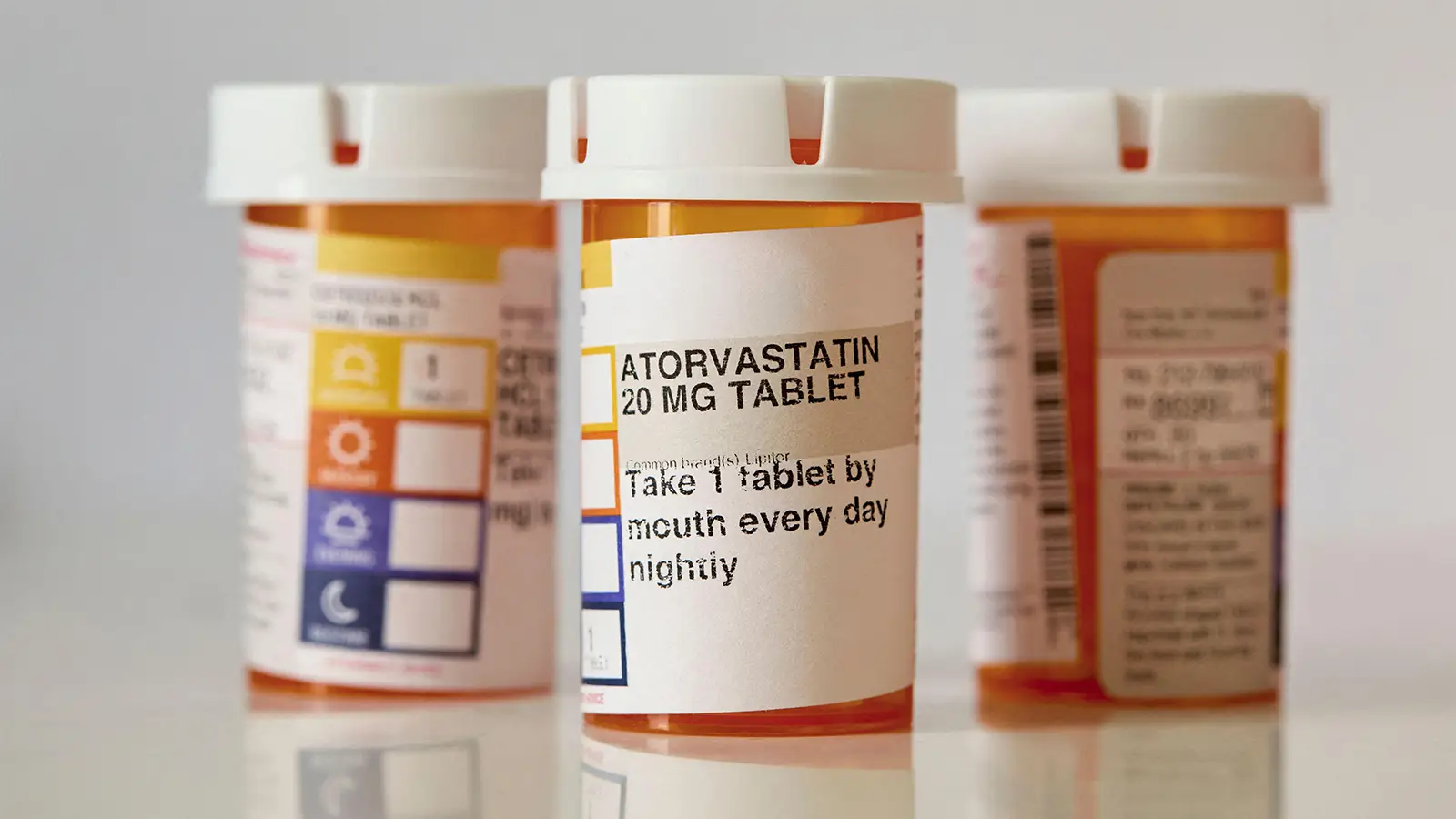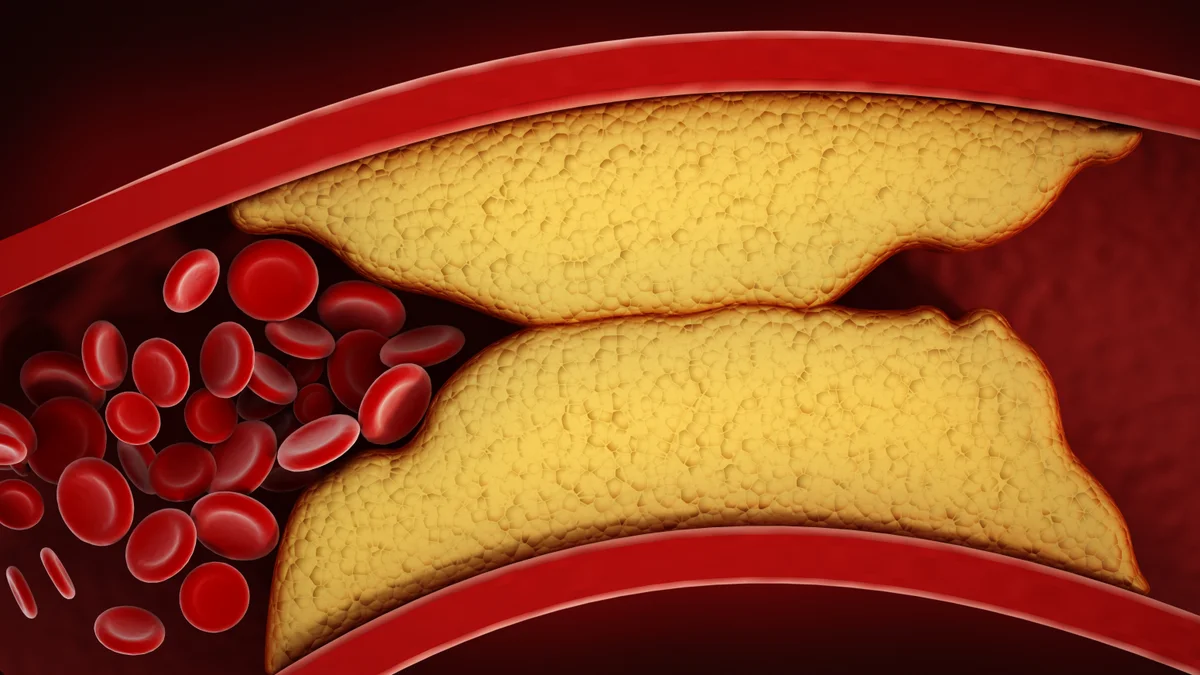
More than half of U.S. adults ages 30 to 79—about 87.5 million people—are now recommended for statins to prevent cardiovascular disease under newly updated clinical guidelines, according to a study by University of Pittsburgh School of Medicine researchers published today in JAMA.
The new recommendations significantly change how doctors assess cardiovascular risk by looking beyond the next 10 years to a person's risk over several decades. Even though newer calculators often estimate lower short-term risk than older tools, the guidelines broaden statin eligibility. As a result, an additional 21.5 million Americans are now recommended for statins, bringing the total to 56.6% of adults ages 30 to 79.
In March 2026, the American Heart Association, the American College of Cardiology and others released updated guidelines for managing high cholesterol to help prevent cardiovascular events, including heart attacks and strokes. The recommendations incorporated an updated risk calculator released in 2023 and broadened eligibility by expanding the age range from 40–75 to 30–79 and extending the risk horizon from 10 years to 30 years.
"The shift to a longer view of cardiovascular disease risk is a sea change for doctors in counseling patients," said Timothy S. Anderson, M.D., M.A.S., a primary care physician, health quality researcher and assistant professor of medicine at Pitt. "We wanted to better understand the potential population health effect of this shift."