Three studies used nationally representative survey data to project how the new dyslipidemia guideline would affect population health.A large percentage of U.S. adults age 30 or older were new candidates for guideline-directed lipid-lowering therapy based on updated guideline criteria, one study showed.Another study found that in those age 40-79, the proportion of people who may be recommended lipid-lowering therapy was 49.6% with the 2026 guideline versus 49.4% before the guideline.
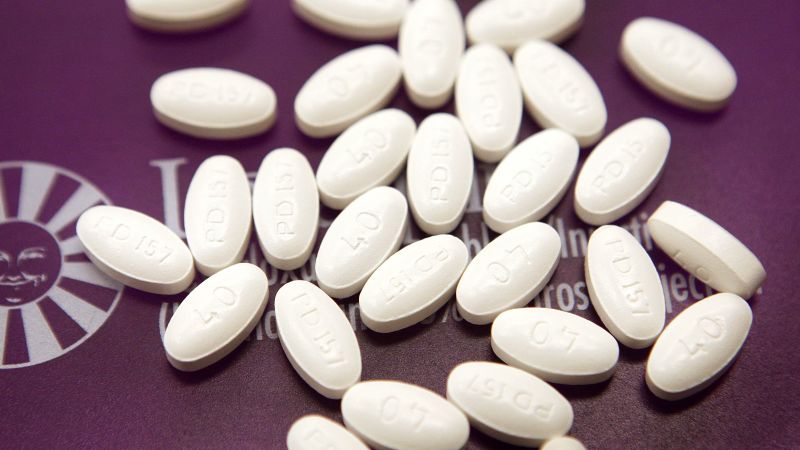
The new American cholesterol guideline would not make more Americans statin users per se, but instead shift the profile of people who should initiate lipid-lowering therapy to those younger and lower risk, research indicated.
Based on National Health and Nutrition Examination Survey (NHANES) cycles 2017-2023, an estimated 87.5 million (56.6%) nonpregnant U.S. adults age 30-79 years were statin eligible based on the 2026 guideline, including 21.5 million (13.9%) who were newly statin eligible. Newly statin-eligible populations were largely younger and lower risk than populations previously recommended statin therapy from the older guideline (mean estimated 10-year atherosclerotic cardiovascular disease risk 3.1% vs 6.1%).